Deltavox
Deltavox
Deltavox
As hyperscale datacenters, 5G fronthaul/backhaul networks, and Fiber-to-the-Home (FTTH) architectures roll out globally, the demand for highly reliable optical splitting components has grown exponentially. At the center of these physical infrastructure layers is the Fiber Optic Splitter—an optical power management device that routes light signals from a single optical path to multiple end-points without requiring electrical power. Deltavox Optics Technologies Co., Ltd. stands at the forefront of this technology, combining over 12 years of industry experience with a highly integrated 18,500㎡ facility to manufacture industry-leading Planar Lightwave Circuit (PLC) and Fused Biconical Taper (FBT) splitters for optical communication networks.
Modern telecommunications rely heavily on two methodologies to divide optical power. Understanding the structural differences is key to optimizing deployment topology, managing optical loss budgets, and securing long-term network integrity:
PLC splitters are fabricated using semiconductor processing technology, where silica glass substrates are patterned using photolithography. A micro-optical waveguide is etched onto the chip, allowing light to distribute uniformly from input ports to output branches (up to 1x128 or 2x128). Because the waveguides are printed microscopically, PLC splitters offer remarkably low Insertion Loss (IL), minimal Polarization Dependent Loss (PDL), and exceptional wavelength uniformity across the entire O, E, S, C, L, and U bands (1260nm to 1650nm). This makes PLC technology the gold standard for high-density GPON, EPON, and XGS-PON systems.
FBT splitters are produced by twisting two or more optical fibers together, heating them over a flame, and stretching them until the cores merge into a common optical path. FBT splitters are highly customizable in terms of coupling ratios (e.g., 95:5, 90:10, or 50:50 asymmetric splits). They are cost-effective for smaller split counts (1x2, 1x4) and work exceptionally well within specific transmission windows such as 1310nm, 1490nm, and 1550nm. However, due to their temperature sensitivity and larger footprint at higher port counts, FBT splitters are typically restricted to localized monitoring, optical tapping, and analog CATV distribution networks.
| Parameter Profile | PLC Splitter Technology | FBT Splitter Technology |
|---|---|---|
| Operating Wavelength | Wideband (1260nm – 1650nm) | Narrowband (1310nm, 1490nm, 1550nm) |
| Splitting Uniformity | High Uniformity (≤ 0.8 dB for 1x8) | Variable depending on split ratio and port count |
| Split Configurations | Scalable up to 1x128, 2x128 | Typically limited to ≤ 1x32 (1x2, 1x4 common) |
| Thermal Stability (-40°C to +85°C) | Highly Stable (≤ 0.5 dB drift) | Highly Sensitive to thermal expansion |
| Asymmetric Split Ratios | Not practical (fixed equal splits) | Highly customized (99:1 to 50:50 ratios) |
Optical splitters act as passive distribution hubs within modern high-bandwidth architectures. Our customized splitter configurations are deployed across several macro-level solutions:
Deltavox Optics operates a modern manufacturing facility spanning 18,500 square meters. Our business model is built on continuous engineering innovation and raw material reliability. Our dedicated R&D division consists of 126 optical engineers and technical specialists who successfully developed and commercialized 168 new optical communication products last year alone, focusing on low-profile integration and ultra-low-loss waveguides.
Our supply chain is supported by 850 strategic partners, allowing us to source premium raw materials—including German-engineered alignment V-grooves, high-index Japanese silica wafers, and premium ceramic ferrules. This solid vendor network guarantees consistent raw material availability, mitigating geopolitical supply chain fluctuations and maintaining short lead times even for large scale orders.
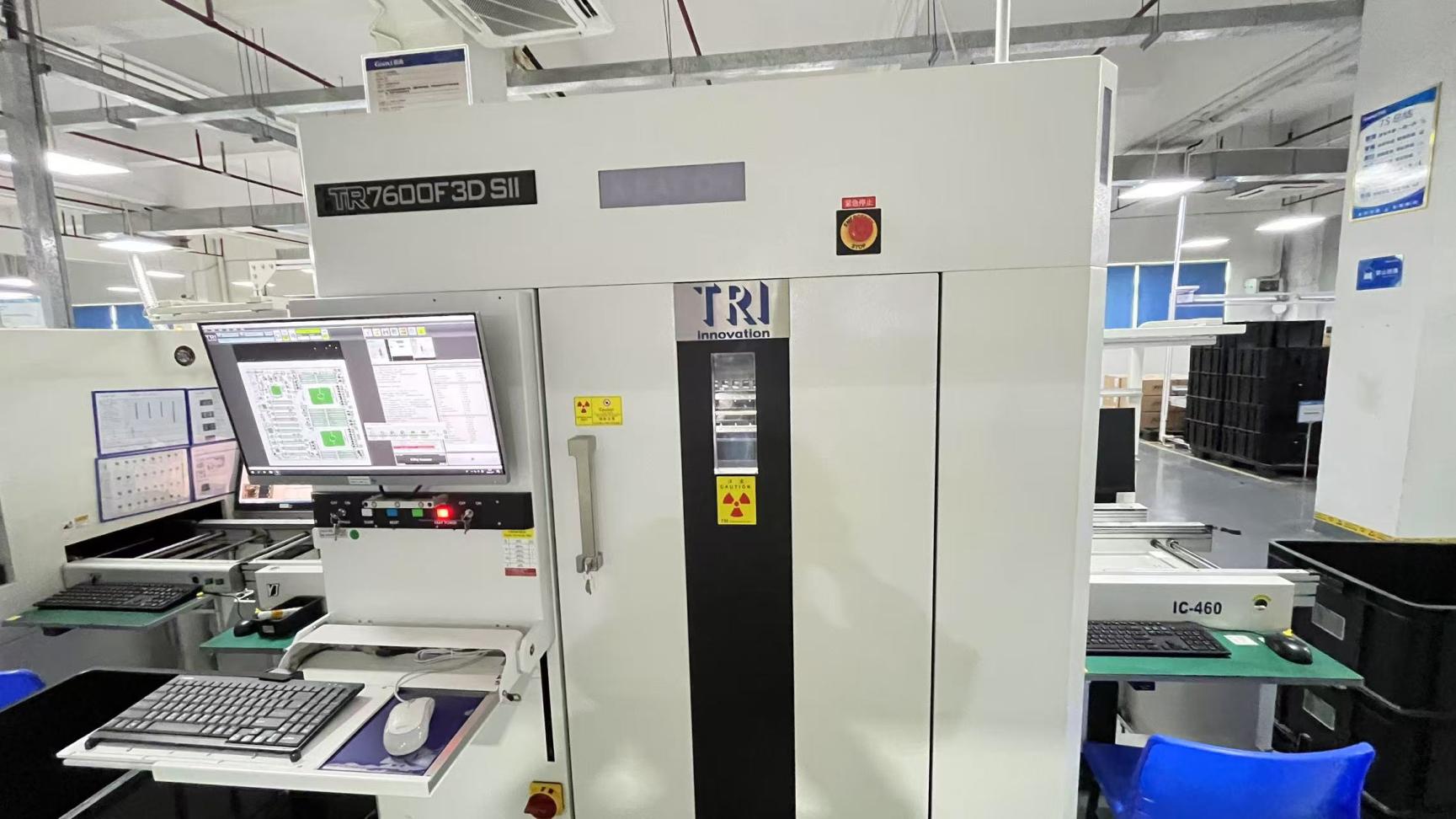
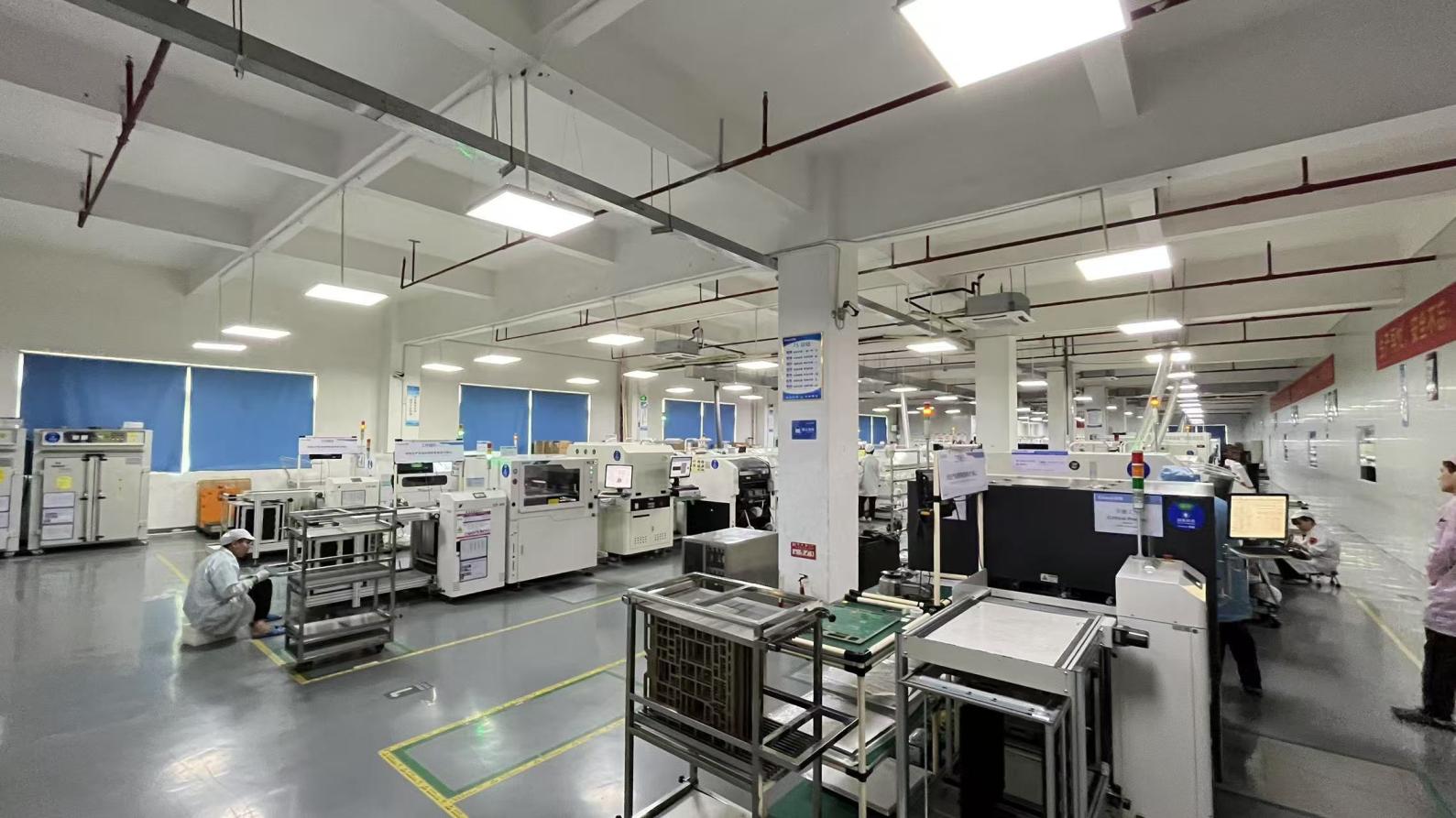
Precision Assembly Cleanroom
Advanced Spectrum Analysis
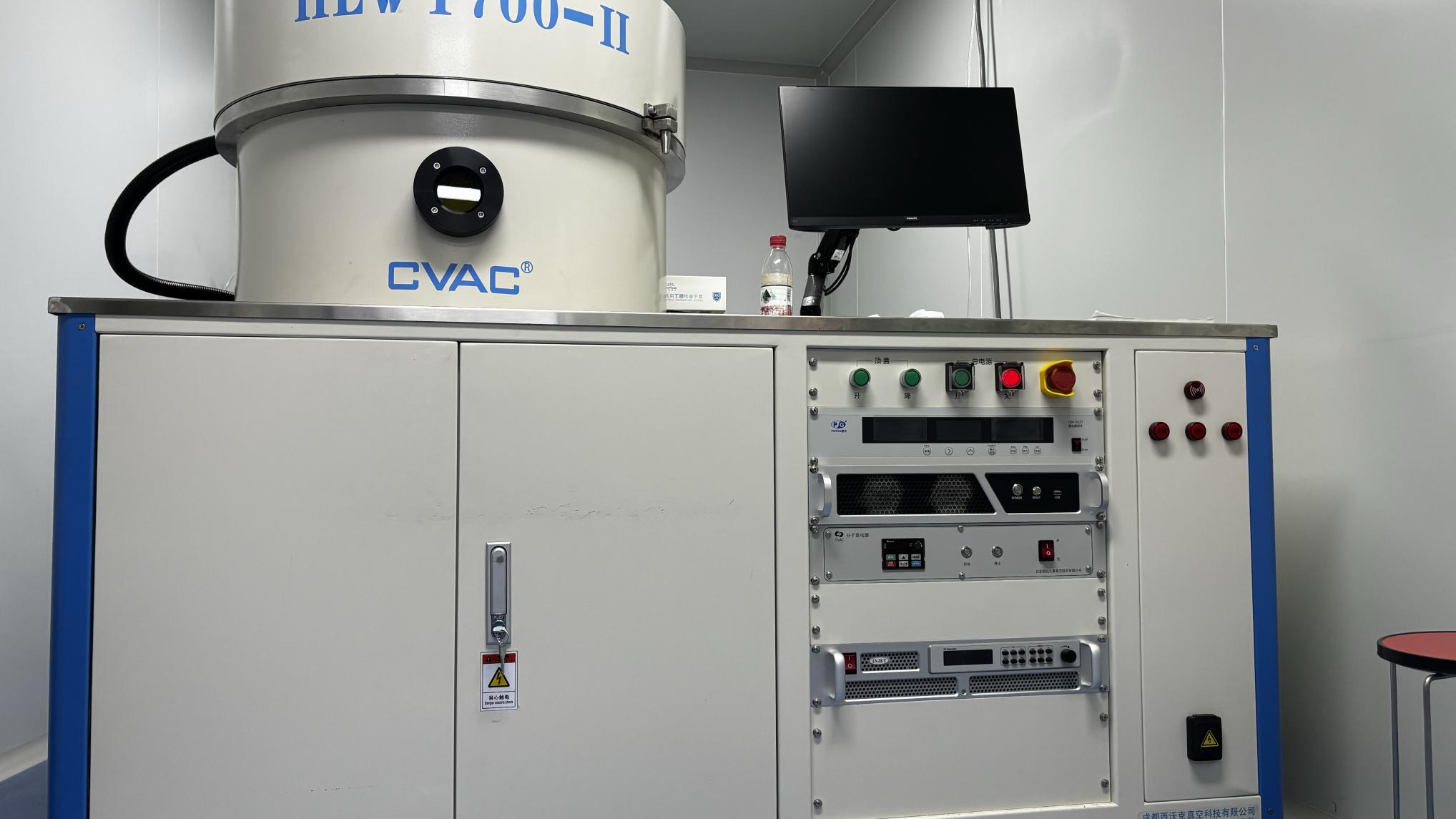
Telcordia Testing Laboratories
To guarantee network uptime, our dedicated quality control team of 56 certified inspectors subjects every optical component to a series of intensive physical and optical stress tests:
Different regional network architectures call for localized solutions. For instance, high-density metropolitan cities in North America and Western Europe often favor pre-connectorized fiber patch panels and LGX modular splitters for rapid deployment in existing street cabinets. Conversely, expanding rural fiber networks in Southeast Asia and South America often utilize pole-mounted dome/in-line fiber splice closures equipped with bare fiber PLC splitters designed to survive extreme tropical humidity and temperature swings.
To address this complexity, Deltavox Optics provides custom engineering services:
As the industry transitions towards 800G, 1.6T, and beyond, the role of fiber splitters is expanding. Research and development teams at Deltavox are actively working on next-generation integration pathways: