 Deltavox
Deltavox
Deltavox
High-reliability optical components optimized for critical routing and high-bandwidth interconnects across regional network hubs.
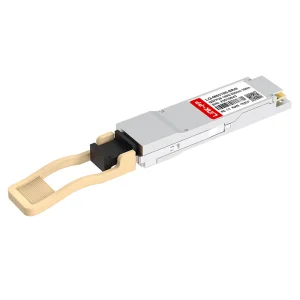
100G Base-t Ethernet Module 850nm 100m MPO QSFP28 Optical Transceiver - Engineered for Chipata Regional Datacenters
View Technical Specifications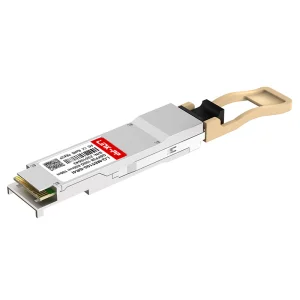
QSFP28 100G Base-t 850nm 100m MPO MMF Fiber Optical Transceiver Module - High-Density Optimization for Chipata Hubs
Request Data Sheet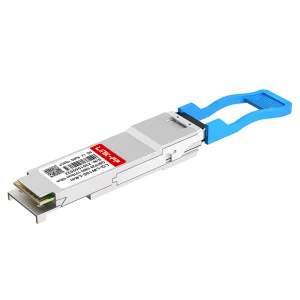
100GBASE-LR4 Duplex LC SMF Optical Transceiver Module Single Mode 1310nm 100G QSFP28 10km - Long Range Chipata Link
Get Factory Pricing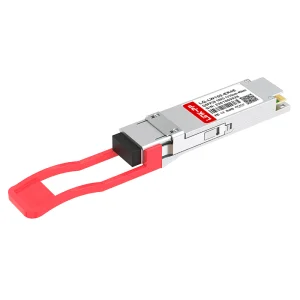
100GBASE-ER4 SMF QSFP28 Transceiver Duplex LC Single Mode 1310nm 100G Optical Module 40km - Extended Range Backbone
Analyze CompatibilityAs the administrative and economic hub of the Eastern Province of Zambia, Chipata is undergoing a significant digital and infrastructural metamorphosis. Traditionally characterized as an agricultural and cross-border commercial trading center bordering Malawi, the municipality's integration into global supply chains requires robust, resilient, and high-capacity telecommunications networks. The contemporary digital shift across Sub-Saharan Africa demands that regional centers move away from obsolete legacy copper or low-bandwidth wireless systems and rapidly implement fiber-optic network topologies.
The requirement for 100G, 200G, and 400G optical transceivers in Chipata is not an abstract future consideration but an urgent operational imperative. Municipal digitization projects, decentralized banking architectures, automated cross-border customs clearing systems at the Mwami border post, and the growth of private internet service providers (ISPs) require substantial link-aggregation upgrades. This architectural expansion requires dependable optical engines capable of withstanding local ambient thermal conditions while operating continuously over long spans with minimal optical signal degradation.
Globally, the optical communication industry is managing exponential data trajectories driven by cloud architectures, high-performance computing (HPC), and enterprise AI development. This paradigm shift has shortened the deployment cycle of multi-gigabit hardware architectures. While 100G platforms (predominantly utilizing QSFP28 packages) remain the foundation of regional enterprise and metro distribution layers, the global telecom tier-1 infrastructure has systematically shifted toward 200G (QSFP56) and 400G (QSFP-DD) standards to maximize spectral efficiency per rack unit.
This global technological shift directly impacts procurement pipelines in emerging logistics and transit nodes like Chipata. System integrators and network architects are designing topologies with future scalability in mind. By transitioning to PAM4 (Pulse Amplitude Modulation 4-Level) encoding schemas integrated within contemporary 400G form factors, operators can achieve four times the information density compared to classical NRZ (Non-Return-to-Zero) serialization methods. This enables network planners to significantly reduce total cost of ownership (TCO) across power, cooling, and patch panel footprints.
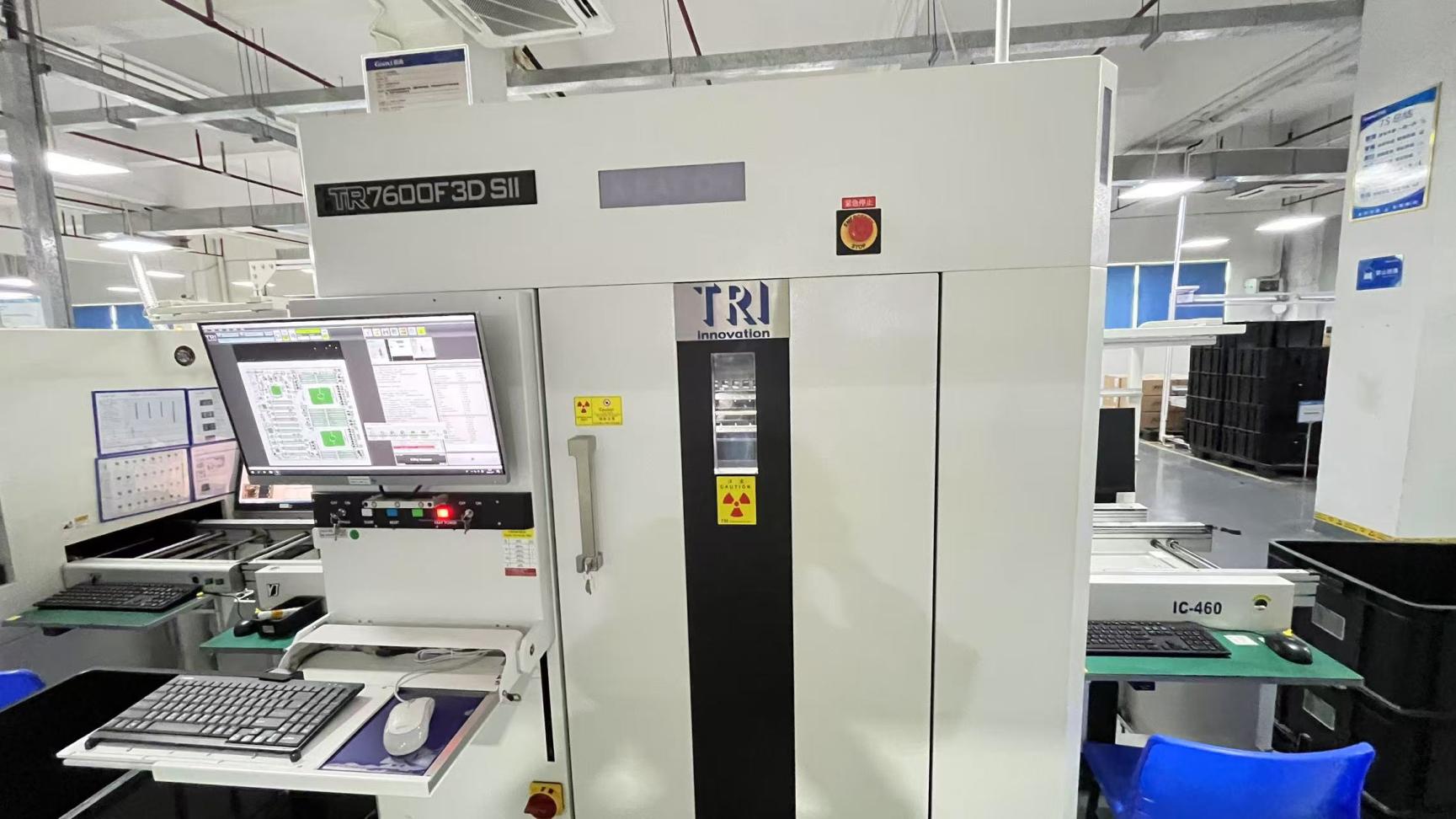
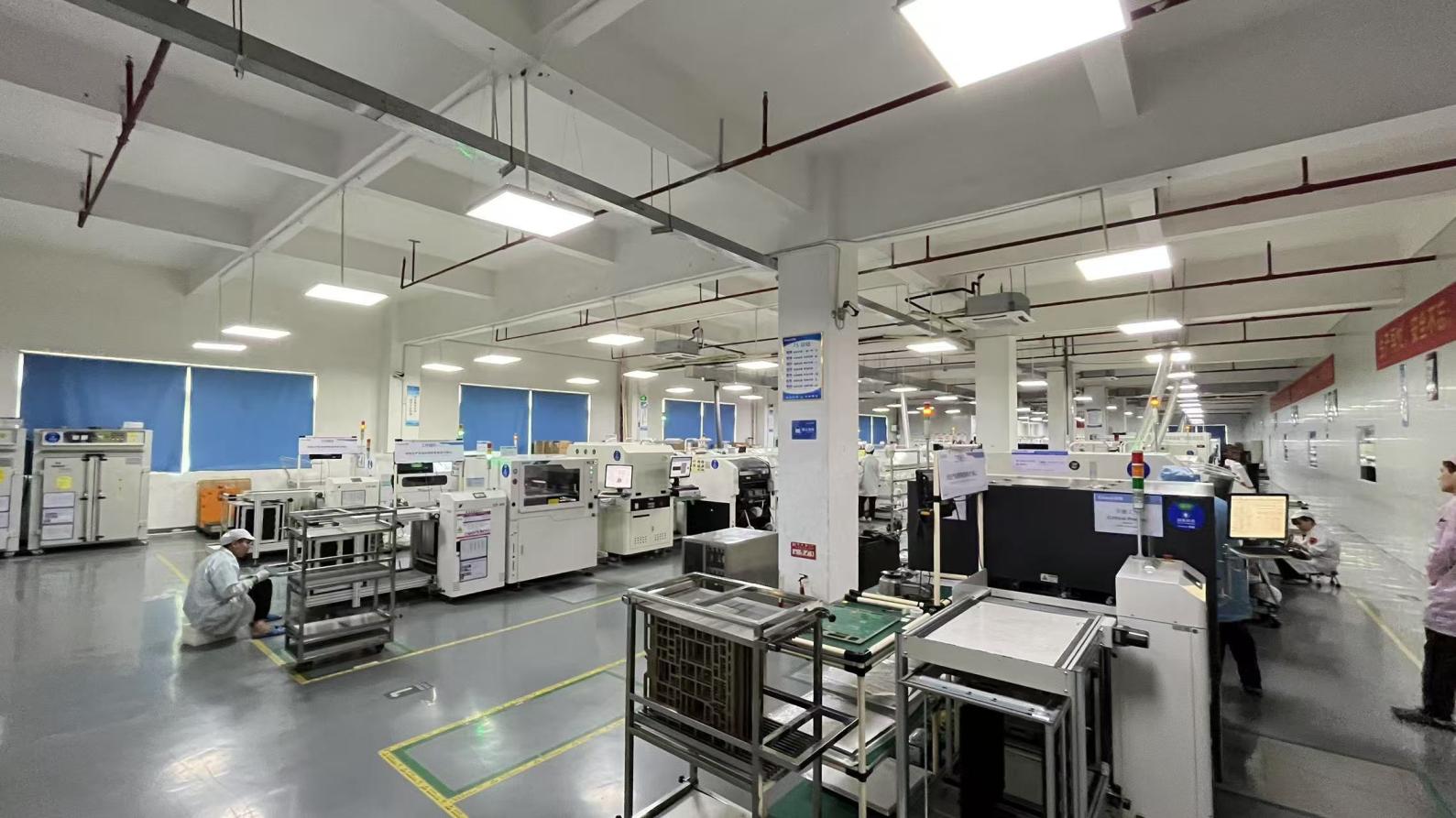
Deltavox Optics Technologies Co., Ltd. serves as a key bridge between high-precision Chinese engineering and global enterprise demand. Operating an advanced 18,500 square meter modern manufacturing facility, Deltavox optimizes the cost-to-performance ratio of high-speed optoelectronic transceivers. The company leverages advanced automated surface-mount technologies (SMT), automated wire bonding, and high-frequency precision multi-vendor validation testbeds to deliver components with exceptional reliability.
The manufacturing advantages realized within our production facilities include rigorous quality control procedures managed by a team of 56 specialized QC inspectors. Every single transceiver module—whether a multi-mode 100G short-range link or a single-mode 400G long-haul module—undergoes automated optical testing, transmission performance verification using state-of-the-art bit error rate testers (BERT), thermal profiling, and real-time switch-compatibility configuration loops. This thorough process ensures out-of-the-box multi-vendor interoperability with platforms such as Cisco, Juniper, Huawei, and Mikrotik, which is essential for network nodes operating in isolated regional environments like Chipata.
Implementing high-density optical transceivers within the Eastern Zambian corridor requires specialized engineering frameworks. Local network designs encounter distinct environmental and architectural challenges, including seasonal ambient temperature changes and high dust concentrations, which necessitate robustly sealed module housings and rigorous thermal dissipation paths.
Explore our full line of multi-mode and single-mode transceivers, designed to meet international standards for reliability and multi-vendor compatibility.
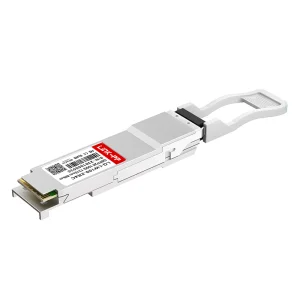
100GBASE-ZR4 Duplex LC SMF Optical Module 1310nm Single Mode 100G QSFP28 Transceiver 80km - Extreme Range Link
View Product Details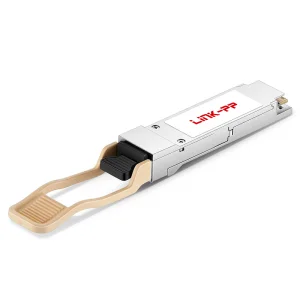
200GBASE-SR4 Optical Transceiver Module MTP/MPO-12 MMF Multimode 850nm 200G QSFP56 100m - Next-Gen Switched Core
Download Specifications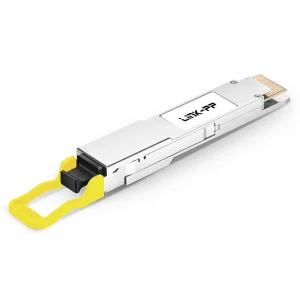
400G DR4 QSFP-DD PAM4 1310nm 500m MTP/MPO-12 APC SMF Optical Transceiver Module - Hyperscale Aggregation
Inquire Volume Pricing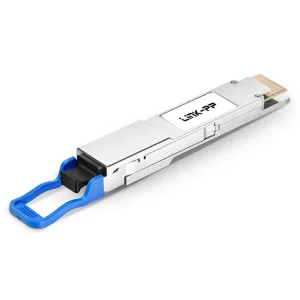
Single Mode 400G CWDM QSFP-DD LR4 10km Duplex LC SMF Optical Transceiver Module - Enterprise Core Interconnect
Request Quote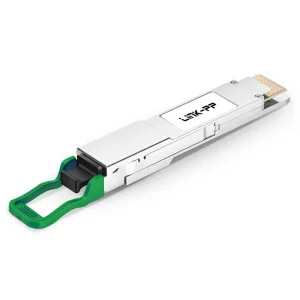
400GBASE-FR4 Duplex LC Optical Module 400G CWDM QSFP-DD PAM4 2km DDM SMF Optical Transceiver - Highly Optimized
View Data Sheet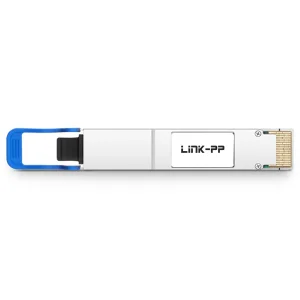
400GBASE-LR8 Duplex LC Optical Transceiver Module SMF 1310nm 400G QSFP-DD 10km - Carrier-Grade Transport Engine
Evaluate Interoperability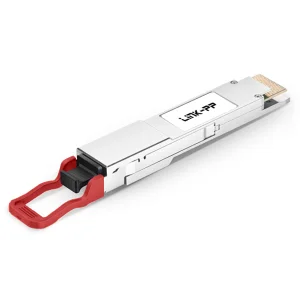
400GBASE-ER8 Single Mode 1310nm 400G QSFP-DD 40km Duplex LC SMF Optical Transceiver Module - Long-Distance Link
Request Custom Firmware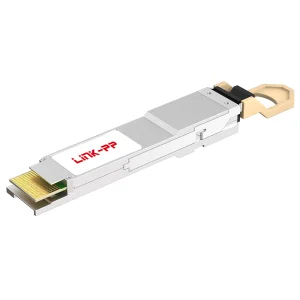
Multiple Mode 850nm 400G QSFP-DD SR8 100m MTP/MPO-16 APC MMF Optical Transceiver Module - Ultra-High Density
Contact Sales Engineer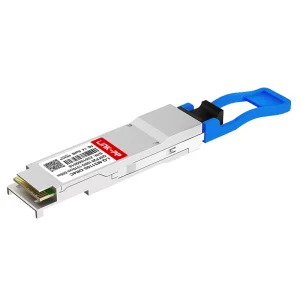
100GBASE-PSM4 QSFP28 1310nm 500m SMF 100G MPO-12 Optical Transceiver Module - Cost-Effective Distribution
View Architectural Specs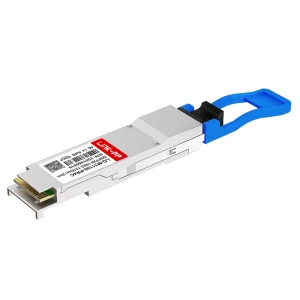
QSFP28 100GBASE-PLR4L 1310nm 2km 100G MPO-12 SMF Optical Transceiver Module - Optimized Intermediate Reach
Get Compliance Profile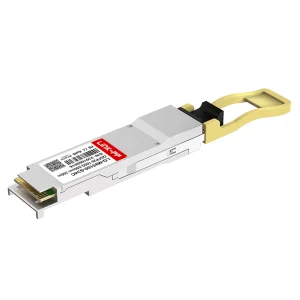
100GBASE-ESR4 QSFP28 100G 850nm 300m MPO-12 MMF Optical Transceiver Module - Extended Distance Multimode
Request OEM Configurations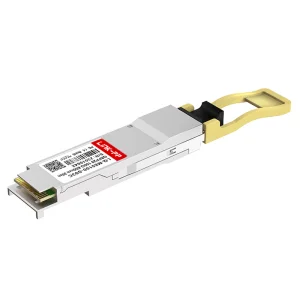
100GBASE-SL4 Multimode 100G QSFP28 850nm 30m MPO-12 MMF Optical Transceiver Module - High-Efficiency Short Reach
Get Rapid QuotationA frequent challenge encountered by telecommunications directors and procurement managers in developing network sectors is software compatibility. OEM network switch manufacturers often apply proprietary encoding locks that reject third-party transceivers. Deltavox Optics addresses this challenge directly through our specialized optical module engineering division. By using custom EEPROM firmware emulation configurations, we match the Digital Diagnostics Monitoring (DDM) interfaces to the exact host platform requested by our customers.
Whether deploying 100G QSFP28 hardware in legacy core switch frameworks or integrating 400G QSFP-DD PAM4 transceivers within next-generation spine-and-leaf fabrics, Deltavox provides fully customized firmware configurations. Our continuous R&D efforts led to the successful launch of 168 new specialized optical communication solutions within the past year alone. This agile development pipeline ensures our clients can confidently integrate high-speed transceivers into complex, mixed-vendor hardware environments.
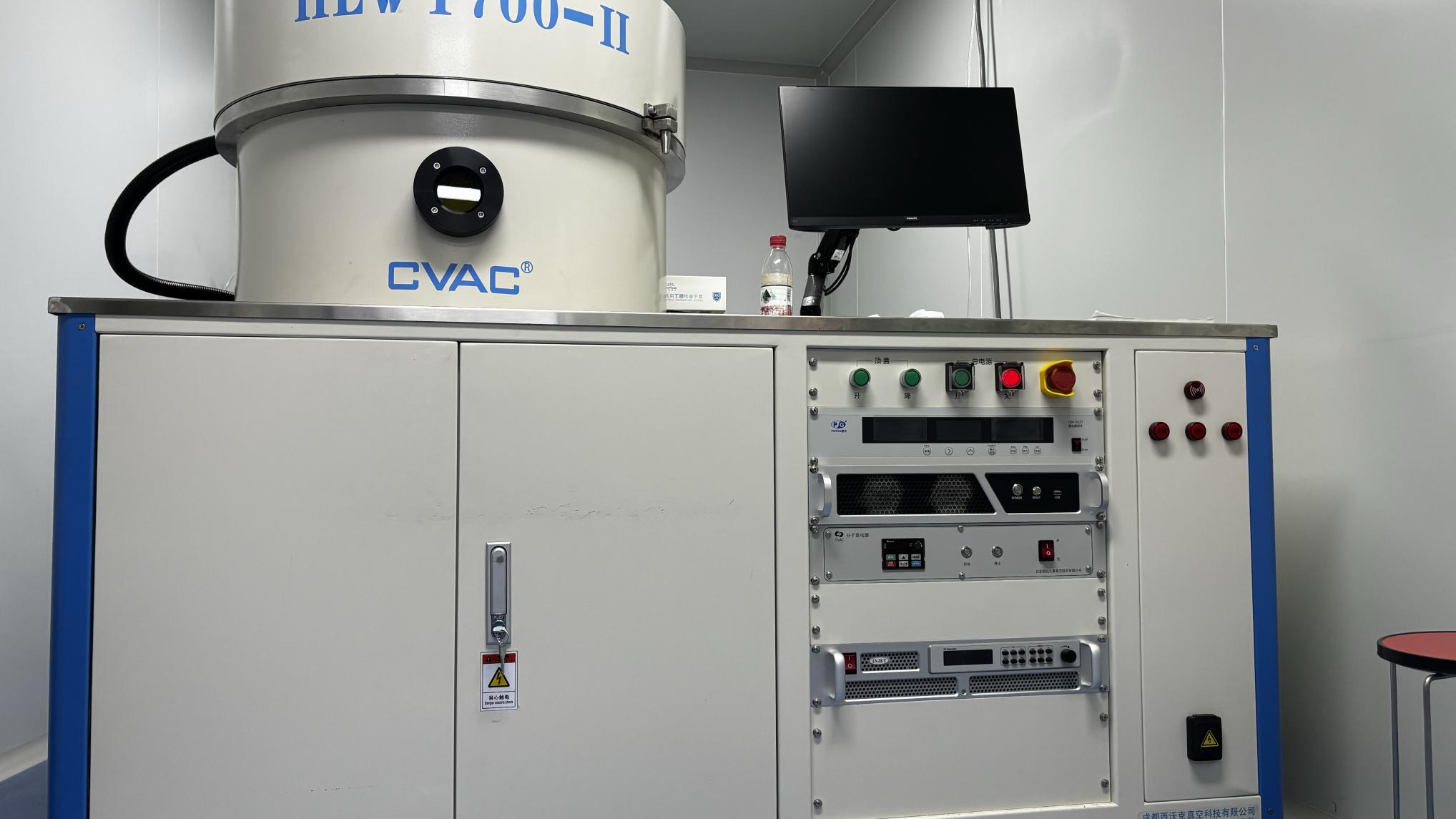
Optical network failures can cause significant service disruptions and financial losses. Deltavox Optics minimizes this risk through a rigorous, multi-tiered testing protocol. Our state-of-the-art facility features a variety of analytical testbeds, including high-frequency oscilloscopes, automated optical power spectrum analyzers, and specialized environmental simulation chambers.
Our strict quality assurance process involves testing each transceiver module across its specified operational temperature envelope. Components are subjected to intensive aging acceleration chambers to verify long-term optoelectronic stability and ensure laser performance remains well within standardized power budgets over time. To streamline international distribution, our partnerships with over 850 strategic global logistics providers guarantee secure, expedited customs processing and delivery into regional logistics networks across Africa, Europe, and the Americas.
How does Deltavox Optics guarantee full hardware compatibility with premium switch architectures?
Each transceiver undergoes customized configuration profiling within our multi-vendor testing labs. We read and verify the internal EEPROM data against exact target device keys (such as specific Cisco, Juniper, or Arista parameters), ensuring the host platform recognizes the module seamlessly and activates internal Digital Diagnostic Monitoring (DDM/DOM) reporting.
What specific considerations apply to optical networks operating in the unique regional climate of Chipata?
Environmental variations require components with robust thermal tolerance. Our modules utilize high-grade industrial optoelectronic components and advanced internal thermal dissipation path designs. This protects internal laser diode assemblies against micro-thermal shifting and signal degradation, ensuring reliable performance under fluctuating local operating conditions.
What are the functional performance differences between NRZ and PAM4 modulation schemas in 100G vs 400G deployments?
Conventional 100G QSFP28 modules utilize Non-Return-to-Zero (NRZ) modulation, transmitting one bit per clock cycle via two voltage states. In contrast, 400G QSFP-DD platforms utilize Pulse Amplitude Modulation 4-Level (PAM4) technology. By deploying four distinct signal levels, PAM4 transmits two bits per cycle, doubling data density without requiring increased optical bandwidth or encountering excessive high-frequency signal attenuation.
How do long-range modules like the 100GBASE-ZR4 achieve dependable transmission distances up to 80km?
Our 100GBASE-ZR4 modules utilize high-sensitivity SOA (Semiconductor Optical Amplifiers) combined with premium EML lasers (Electro-absorption Modulated Lasers). This configuration maximizes the optical power budget, allowing the system to overcome high insertion losses and fiber attenuation across extended distances without requiring mid-span inline amplification equipment.
Partner with a trusted, engineering-focused manufacturer. Consult with our technical sales engineers to optimize your network's link performance, compatibility parameters, and volume pricing structures.
Send Inquiry Now