Deltavox
Deltavox
Deltavox
In modern data communications, the integrity of physical infrastructure directly determines the performance boundaries of upper-layer networks. Patch panels, serving as the central nervous hubs of Structured Cabling Systems (SCS), act as critical interface points that bridge passive network lines to active networking hardware. As global enterprises scale up their digital transformations, the demand for modular, high-density, and hyper-reliable patch panel solutions has reached unprecedented levels.
Modern office complexes and smart campuses require sophisticated cable path consolidation. Structured patch panels enable organized termination of Category 6 (Cat6), Category 6A (Cat6A), and Category 8 (Cat8) copper wiring alongside single-mode or multi-mode fiber optics, drastically minimizing insertion loss and structural cross-talk.
Unscheduled operational network downtime costs global enterprises an average of $5,600 per minute. Deploying enterprise-grade patch panels from certified manufacturers ensures clean trace paths, reliable mechanical jack connections, and rapid isolation of connectivity faults.
By enforcing precise geometric layouts and maintaining exact conductor pair twist limits up to the termination point, top-tier patch panels achieve superior Return Loss (RL) and Near-End Crosstalk (NEXT) margin values, matching IEEE 802.3 Ethernet standards.
Procurement officers, system integrators, and infrastructure directors face multi-faceted challenges when executing high-volume procurement of network components. Navigating global supply chains requires assessing both manufacturer capability and long-term regulatory alignment.
Strategic buyers must evaluate whether a supplier has the production footprint (such as cleanrooms and automated stamping machinery) to handle large rollouts. True OEM/ODM capabilities allow factories to design custom angled frames, dynamic blank panels, and custom-labeled keystone alignments to streamline site-specific deployments.
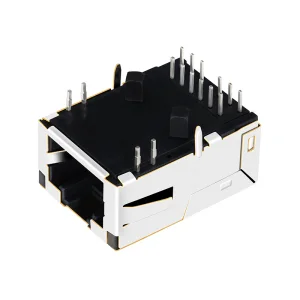
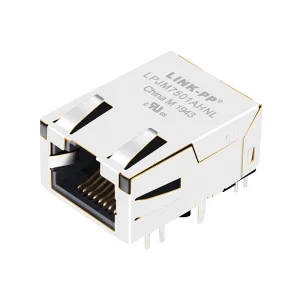
With Power over Ethernet standard IEEE 802.3bt (Type 4) delivering up to 90W/100W, bundling cables generates localized heat. Exporters must prove their RJ45 patch panels and associated magnetic connectors feature robust materials that withstand continuous high-power transmission without degrading dielectric properties.
In global infrastructure, a delay in shipping passive patch panels can stall multi-million dollar data center buildouts. Sourcing from factories with established global trade routes, strategic raw-material storage, and reliable air/ocean carrier partnerships is mandatory.
The evolutionary trajectory of patch panels is moving away from static plastic housings toward smart, high-density, and low-loss distribution systems. High-speed networking requires an understanding of how copper and optical technologies intersect at the patch layer.
Next-gen smart patch panels feature built-in sensor arrays and LEDs connected to local software. These AIM systems automatically log and map real-time physical layer connections, instantly alerting network administrators of unauthorized disconnections.
Data centers now leverage modular MTP/MPO cassettes. Standard 1U rack spaces can comfortably house up to 144 LC fiber terminations, allowing smooth transitions to 400G and 800G optical transceivers without requiring additional footprint expansion.
For heavy industrial environments prone to EMI, modern patch panels incorporate fully shielded zinc alloy die-cast keystone jacks. This provides 360-degree grounding continuity to block Alien Crosstalk (ANEXT) in Cat6A and Cat8 systems.
One size does not fit all. Leading patch panel exporters configure custom physical layer designs for specific industries, matching the strict mechanical and environmental criteria of diverse global environments.
Focuses on maximum port density, minimal insertion loss, and sliding tray systems that allow technicians to service fibers without interrupting adjacent active lines. Clean polarity management (Method A, B, or C) is critical.
Requires IP67-rated DIN-rail patch panels that resist high vibrations, chemical exposure, and extreme temperature fluctuations. Magnetic isolation components are vital to prevent transient surges from destroying costly machinery.
Employs Telco-grade 19-inch ODFs (Optical Distribution Frames) engineered for single-mode fiber distributions. Telecommunications operators demand highly standardized configurations matching international ITU-T specifications.
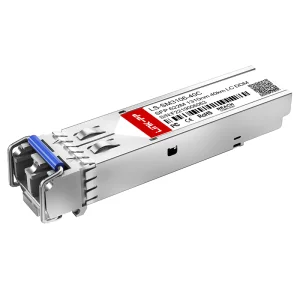
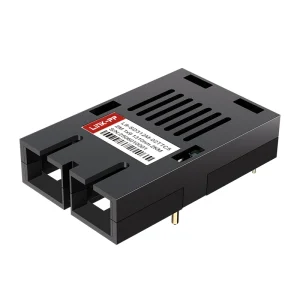
Deltavox Optics Technologies Co., Ltd. is a professional optical communication solutions provider specializing in the design, manufacturing, and global supply of high-performance optical transceivers, fiber optic modules, and networking components. Established in 2016, the company operates from a modern manufacturing facility with a building area of 18,500㎡ and has developed strong expertise in optical communication technologies.
With an annual export revenue of approximately US$18 million, Deltavox Optics has accumulated 7 years of export experience and 12 years of industry experience, serving customers across telecom, data center, enterprise networking, and industrial communication sectors worldwide.
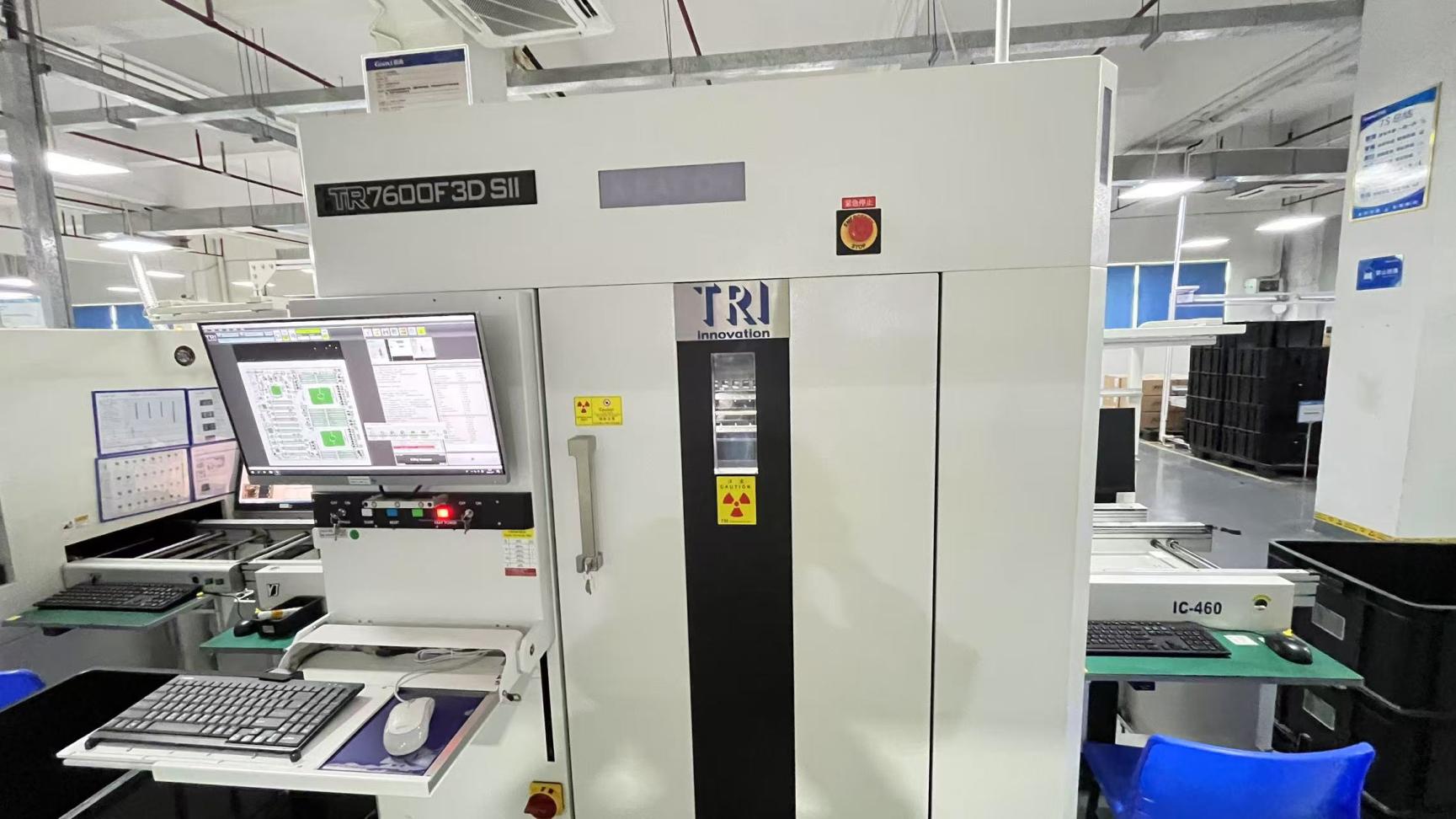
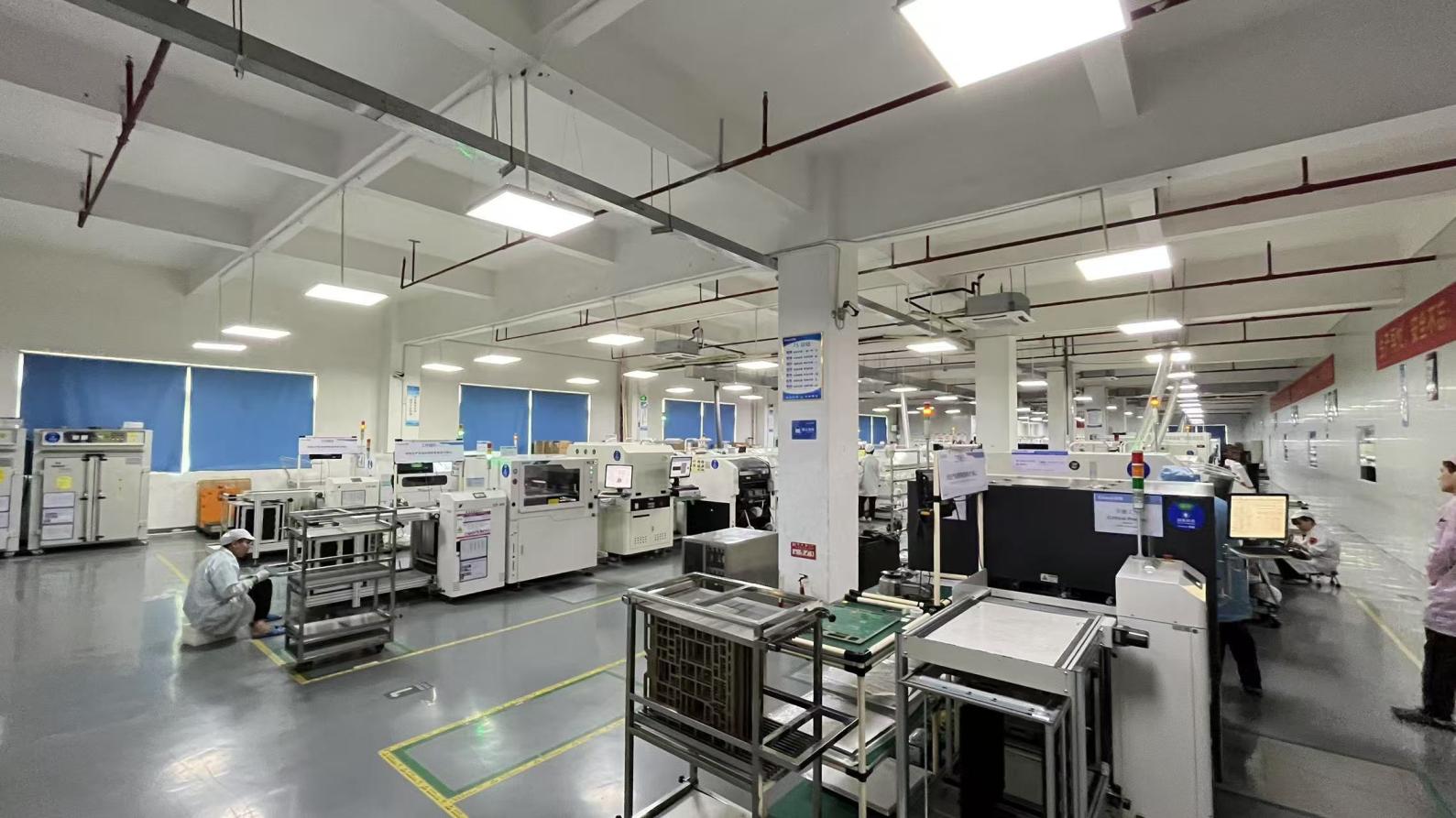

The company maintains strict quality management systems and performs comprehensive quality inspections, including automated optical testing, transmission performance verification, temperature cycling tests, aging tests, compatibility testing, and reliability evaluations. A professional quality control team of 56 inspectors ensures every product meets international standards and customer requirements.
Deltavox Optics has extensive experience in international trade and maintains long-term cooperation with global distributors, system integrators, telecom operators, and networking equipment providers. The company’s main markets include North America, Europe, Southeast Asia, the Middle East, and South America. With a strong supply chain network supported by approximately 850 strategic partners, Deltavox Optics provides stable production capacity and efficient delivery solutions. Its major customer groups include optical communication distributors, data center operators, telecom companies, network equipment manufacturers, and enterprise IT solution providers.
The company has a dedicated R&D team focused on optical module innovation, product optimization, and customized communication solutions. Deltavox Optics offers various customization options, including custom wavelengths, transmission distances, package types, firmware configurations, labeling services, and OEM/ODM solutions. In the past year, Deltavox Optics successfully launched 168 new optical communication products, supported by a professional R&D team of 126 optical engineers and technical specialists. Through continuous innovation, advanced manufacturing capabilities, and strict quality control, Deltavox Optics is committed to delivering reliable optical transceiver solutions for global connectivity networks.
When structuring international sourcing portfolios, choosing a supplier solely based on price introduces systemic risks. We use five essential metrics to score and rank the industry's best manufacturing partners.
The best factories utilize high-precision automated stamping machines to manufacture metal frames, ensuring consistency within tolerances of 0.05mm. This guarantees that keystone jacks snap in securely and align perfectly with standard 19-inch racks.
RJ45 pins must feature a minimum thickness of 50 micro-inches of gold plating over nickel-plated phosphor bronze. Top manufacturers do not compromise on plating thickness, which prevents oxidation and guarantees at least 750 insertion cycles.
Premium patch panel factories perform 100% component testing on high-frequency transmission systems. Utilizing Fluke DSX cable analyzers and vector network analyzers (VNAs), they verify NEXT, PS-NEXT, and insertion loss characteristics before dispatch.
Sourcing teams must verify RoHS (Restriction of Hazardous Substances) and REACH compliance. Standard-compliant patch panels use fire-retardant, high-impact polycarbonate materials rated UL 94V-0 to prevent fire propagation inside wiring closets.
Every piece of passive networking equipment must integrate seamlessly with active network hardware. Strict adherence to international cabling frameworks prevents hardware incompatibilities and high insertion loss.
Defines the transmission performance parameters of copper and fiber cabling systems. Patch panels must meet or exceed these guidelines to support data transmission speeds up to 10G (Cat6A) and 40G (Cat8).
The baseline international standard for general enterprise structured cabling. Sourcing from ISO/IEC 11801-compliant exporters ensures that your physical layer supports multi-vendor networking systems globally.
The standard for communications-circuit accessories. UL 1863 certified patch panels have undergone structural testing for electrical insulation resistance, mechanical stress fatigue, and fire hazard protection.
We answer the most common questions raised by procurement managers and infrastructure design engineers regarding patch panel sourcing and cabling deployment.