Deltavox
Deltavox
Deltavox
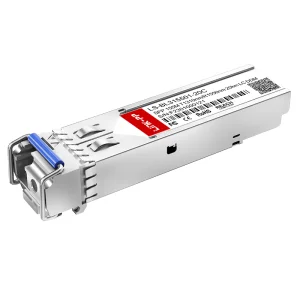
In the era of Artificial Intelligence (AI), Cloud Computing, and 5G expansion, the demand for high-speed, reliable, and energy-efficient optical transceivers has never been more critical. SFP (Small Form-factor Pluggable) modules serve as the heartbeat of modern data networks, bridging the gap between electrical signals and high-speed light pulses. This whitepaper analyzes the Top 10 SFP Transceiver Suppliers and explores how industry leaders like Deltavox Optics Technologies Co., Ltd. are redefining the supply chain through technical innovation and rigorous E-E-A-T (Experience, Expertise, Authoritativeness, and Trustworthiness) compliance.
As global data traffic is projected to grow by 25% annually, the shift from legacy 1G/10G systems to 100G, 400G, and even 800G architectures is accelerating. Procurement professionals must look beyond pricing to evaluate "Information Gain"—understanding the technical nuances that ensure long-term network stability and interoperability.
The transition from NRZ to PAM4 signaling is enabling the jump to 400G/800G. Suppliers are now focusing on OSFP and QSFP-DD form factors to accommodate the massive bandwidth required by AI training clusters.
Integration of optical and electronic components on a single silicon chip (SiPh) is reducing manufacturing costs and improving thermal efficiency—a critical factor for high-density data centers.
Power Consumption per Bit is the new KPI. Modern SFP modules are designed with advanced DSPs that consume less than 1.5W for 10G and under 12W for 400G modules, supporting corporate ESG goals.
Today’s global procurement landscape is characterized by three major pillars: Compatibility, Supply Chain Resilience, and Cost-to-Performance Ratio. Multinational corporations are moving away from proprietary "vendor-lock" strategies, opting instead for high-quality third-party compatible modules that meet Multi-Source Agreement (MSA) standards.
Deltavox Optics addresses these needs through its professional R&D team of 126 engineers, ensuring that every module is verified for compatibility across over 200 mainstream networking brands.
Deltavox Optics Technologies Co., Ltd. is not just a manufacturer; it is a strategic partner in the global optical communication ecosystem. Established in 2016 and backed by 12 years of industry heritage, the company has built a reputation for excellence in the design and supply of optical transceivers.
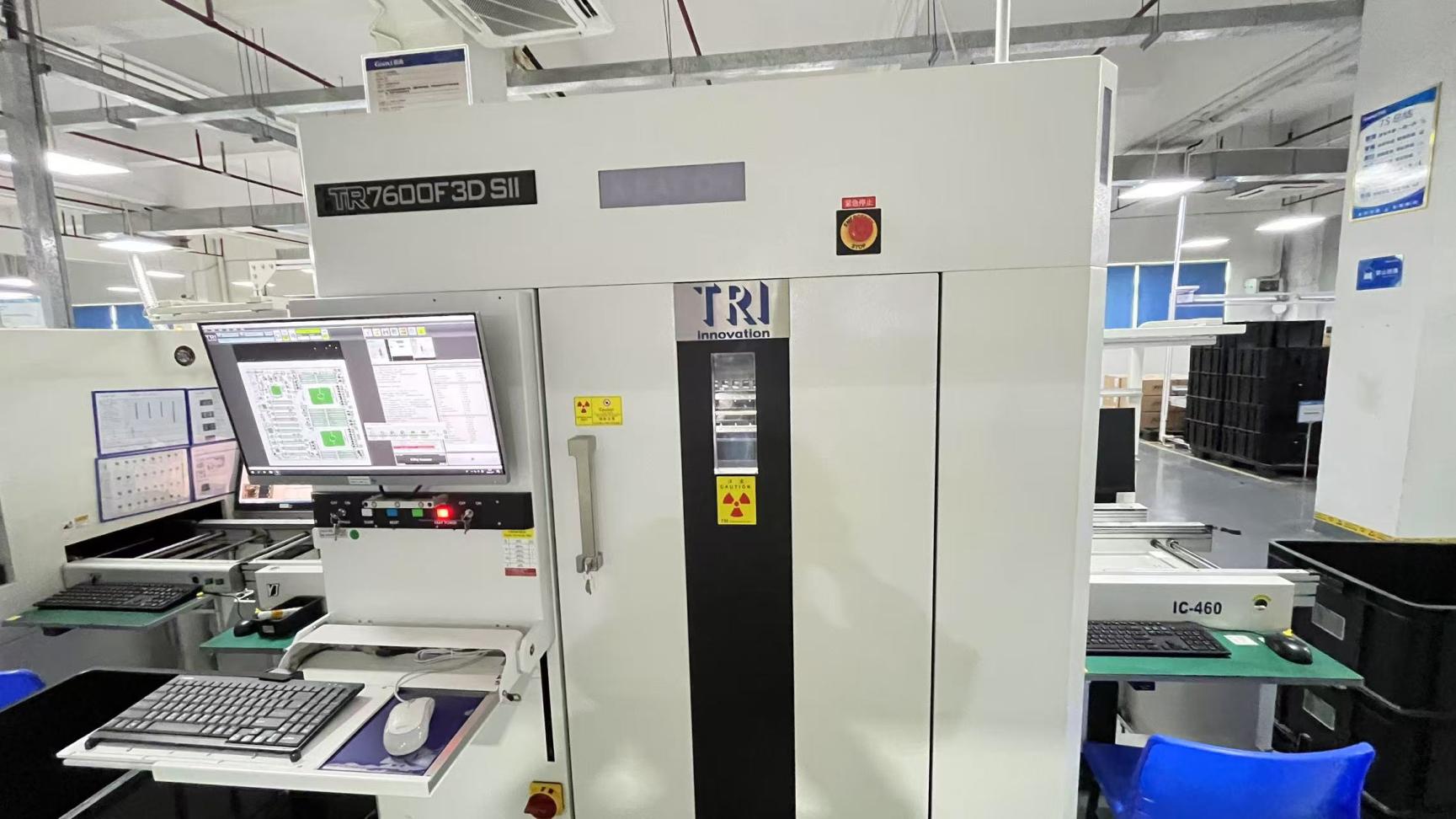
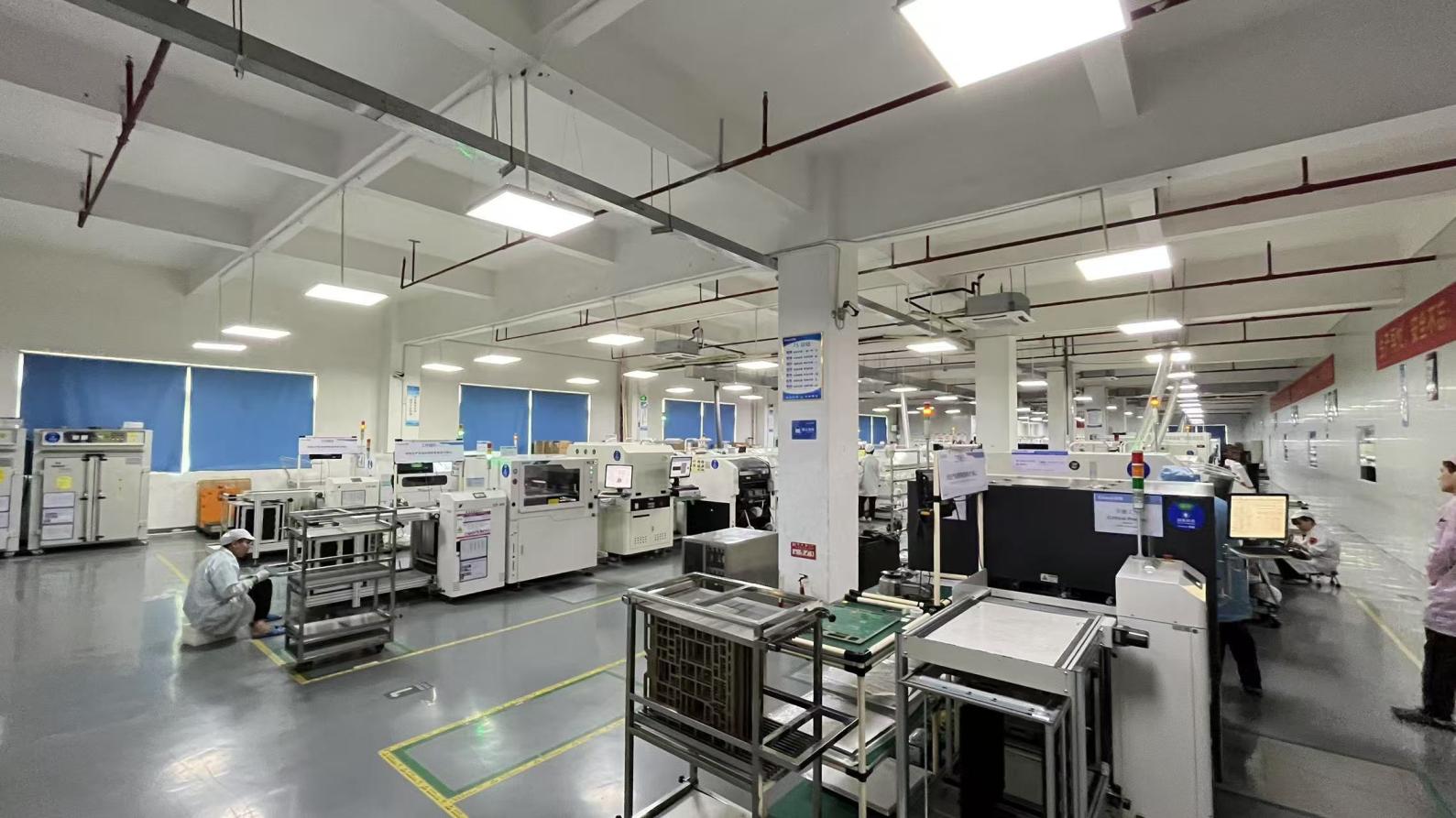
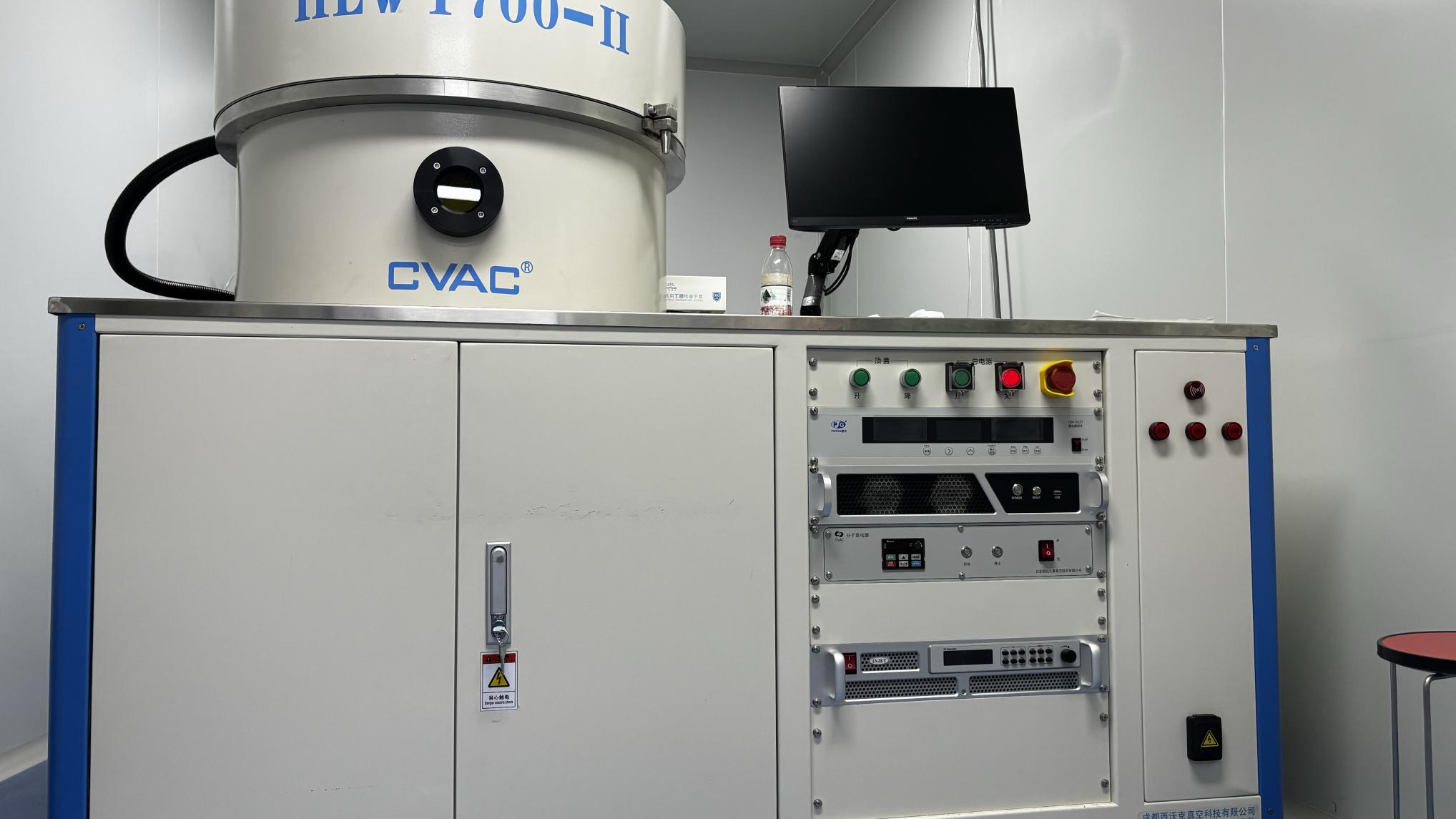
With a production base spanning 18,500 square meters, Deltavox leverages automated manufacturing and a team of 56 quality inspectors to maintain a near-zero failure rate. Their 7 years of export experience across North America, Europe, and the Middle East ensures they understand the localized regulatory requirements of each market.
Mass adoption of 400G QSFP-DD and development of 800G modules using 112G SerDes technology. Focus on reducing power-per-gigabit.
Commercialization of CPO (Co-Packaged Optics) where optics move onto the switch ASIC substrate to eliminate signal loss.
1.6T and 3.2T interfaces. Implementation of Terabit Ethernet and widespread use of coherent optics in short-reach data center links.
Full adherence to RoHS, CE, FCC, and REACH. For government-sensitive projects, we offer TAA-compliant sourcing and transparent supply chain documentation.
Customized labeling, firmware coding, and unique wavelength configurations (CWDM/DWDM) to meet specific architectural requirements.
Strategic warehouse locations allow for rapid delivery to North America and Europe, minimizing lead times for critical network upgrades.
We maintain an extensive Compatibility Matrix. Our 126 engineers use original host switches to code the EEPROM of our modules, ensuring they are recognized as "genuine" by the OS of brands like Cisco, Juniper, and HP.
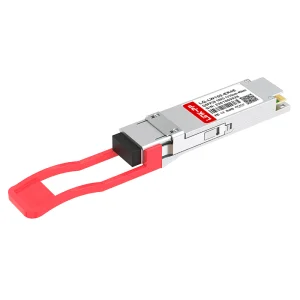
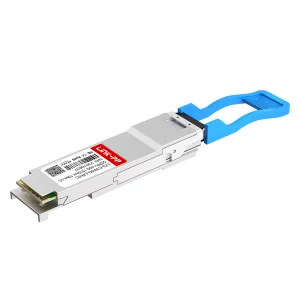
SFP supports up to 4Gbps. SFP+ is the 10Gbps standard using the same form factor. QSFP28 (Quad SFP) is designed for 100Gbps, utilizing four channels of 25Gbps each. Selecting the right one depends on your equipment's port density and speed requirements.
Yes, we offer specific "Industrial Grade" modules that undergo specialized testing to function reliably between -40°C and +85°C, ideal for outdoor telecom cabinets and smart city sensors.
Third-party modules from reputable suppliers like Deltavox provide 70-90% cost savings with identical performance, as most switch OEMs do not manufacture their own optics; they outsource to the same factories we operate.