Deltavox
Deltavox
Deltavox
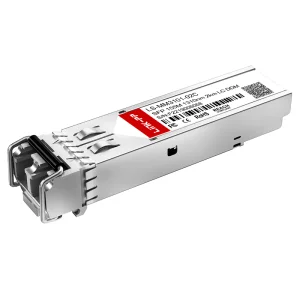
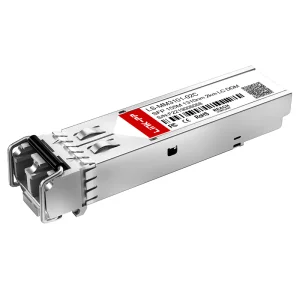
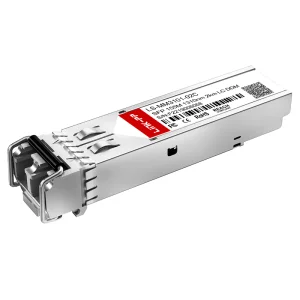
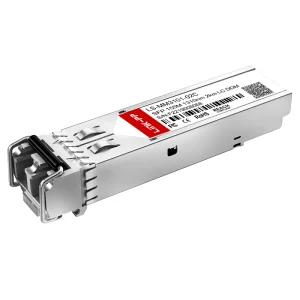
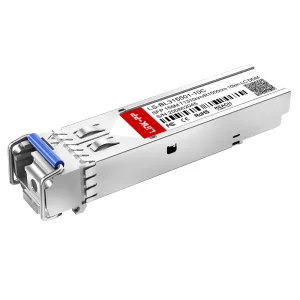
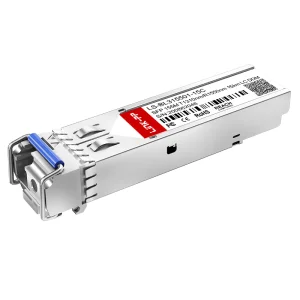
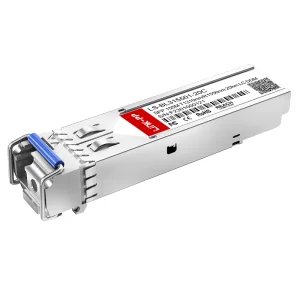
Explore our premium range of 155M Small Form-factor Pluggable (SFP) transceiver modules optimized for Chittagong's local industrial networks, municipal ring infrastructures, and port automation frameworks.
Chittagong (officially Chattogram), the commercial heartbeat and largest port city of Bangladesh, handles over 90% of the country's import-export trade. As the terminus of the crucial Dhaka-Chittagong economic corridor, the region hosts massive industrial zones, including the Chittagong Export Processing Zone (CEPZ), Karnaphuli Export Processing Zone (KEPZ), and heavy industries spanning steel fabrication, petroleum refining, chemical processing, and shipbuilding.
In these demanding industrial settings, fiber optic communication acts as the nervous system. Legacy communication backbones—such as Synchronous Digital Hierarchy (SDH/SONET) networks operating at STM-1 (155 Mbps) and STM-4 (622 Mbps) rates—form the bedrock of SCADA systems, power transmission telemetry, maritime radar communications, and railway signaling networks. Despite the global trend toward 10G, 40G, and 100G Ethernet, these rugged 155M/622M optical circuits remain essential because of their unparalleled reliability, deterministic latency, and compatibility with legacy field-deployed hardware.
Operating optical modules in Chittagong presents significant environmental challenges. The coastal climate brings high humidity, saline sea spray, and elevated seasonal temperatures. Ordinary commercial-grade transceivers fail prematurely under these conditions due to metallic corrosion, moisture ingress, and thermal drift. Deltavox Optics addresses these challenges by supplying industrial-grade, wide-temperature-range (-40°C to 85°C) 155M and 622M SFP transceivers equipped with advanced coatings to resist corrosion.
Chittagong's ports and coastal steel mills require optical hardware that can survive high salt fog and humidity. Special passivation coatings on the optical housings and gold-plated PCB fingers prevent oxidation and signal degradation over decade-long deployments.
Unlike packet-switched Ethernet, STM-1 and STM-4 standards guarantee zero packet jitter. This makes them ideal for sub-station automation, protective relaying in power grids, and real-time railway switching controls along the Bangladesh Railway East Zone.
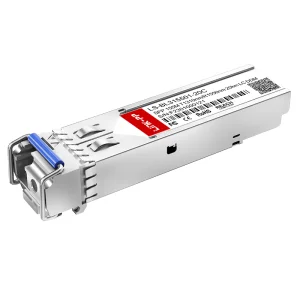
By implementing Bidirectional (BiDi) SFP transceivers, local operators can double their physical fiber capacity instantly. Using a single strand of fiber for both TX and RX eliminates the need to lease or lay new fiber cables across the congested urban zones of Chittagong.
The modernization of the Chittagong Port terminals relies on complex terminal operating systems (TOS). Fiber optics link remote gantry cranes, container yard CCTV cameras, and gate control systems to the central monitoring office. Due to the long runs and electromagnetic interference from heavy crane motors, 155M single-mode SFPs with 20km reach are widely deployed. They ensure uninterrupted telemetry backhaul in environments where copper cabling is susceptible to inductive surges and lightning strikes.
Manufacturing facilities, textile mills, and chemical factories in the Chittagong EPZ require real-time monitoring of pressure, temperature, and electrical load. Moxa and Hirschmann industrial switches are commonly used to create high-reliability fiber rings in these zones. Deltavox's compatible 155M SFP transceivers slide into these switches, delivering stable, latency-free industrial Ethernet networks that keep manufacturing lines running.
Power Grid Company of Bangladesh (PGCB) networks use high-voltage overhead lines equipped with Optical Ground Wire (OPGW). At substations across Chittagong, protective relays and telemetry devices connect over 155M/622M optical links. These interfaces require transceivers that comply with international EMC standards and can handle broad temperature shifts inside non-air-conditioned electrical cabinets.
Local internet service providers (ISPs) and telecom carriers in Chittagong, such as BTCL, utilize STM-1 and STM-4 optical layers to connect rural towns surrounding the metropolitan area. Legacy multi-service provisioning platforms (MSPPs) aggregate local traffic over these legacy links. Standardizing on high-quality 622M optical transceivers ensures that these links remain stable, preventing packet loss and jitter for critical voice and data lines.
While modern hyper-scale data centers deploy 400G and 800G coherent optics, the global utility, transportation, and industrial automation sectors still rely heavily on legacy optical communication protocols. The longevity of 155M (Fast Ethernet / STM-1) and 622M (STM-4) SFP modules is sustained by the massive global footprint of industrial networking hardware designed for 15-to-30-year operational lifespans. Replacing this infrastructure is cost-prohibitive and unnecessary, provided high-quality compatible transceiver modules remain available.
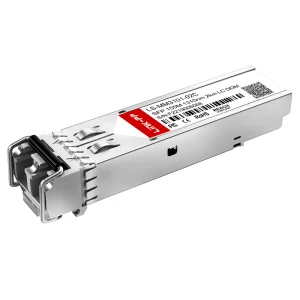
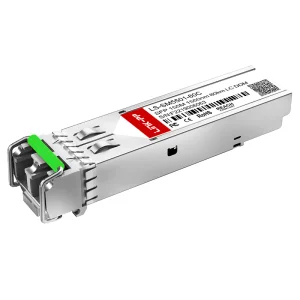
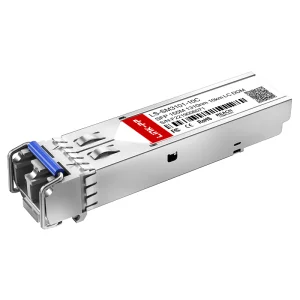
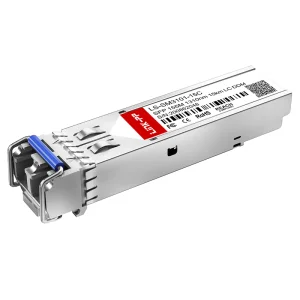
Our product lines cover the full range of optical requirements: 850nm multimode for short runs up to 2km; 1310nm single-mode for mid-range transmission up to 20km; and 1550nm single-mode for long-haul networks up to 80km and 120km. This allows system integrators to configure links according to their specific attenuation requirements.
Deltavox SFPs include real-time DDM. This allows network engineers in Chittagong to monitor operational metrics—such as laser bias current, optical receive power, transmitter power, temperature, and supply voltage—directly from the network management console. This telemetry helps identify potential fiber degradation before it causes a link failure.
Deltavox Optics modules feature customizable EEPROM coding. We match the register configurations of leading OEMs including Cisco, Hirschmann, Moxa, Huawei, Juniper, and HP, ensuring seamless operation. The modules report correct telemetry without triggering system warnings.
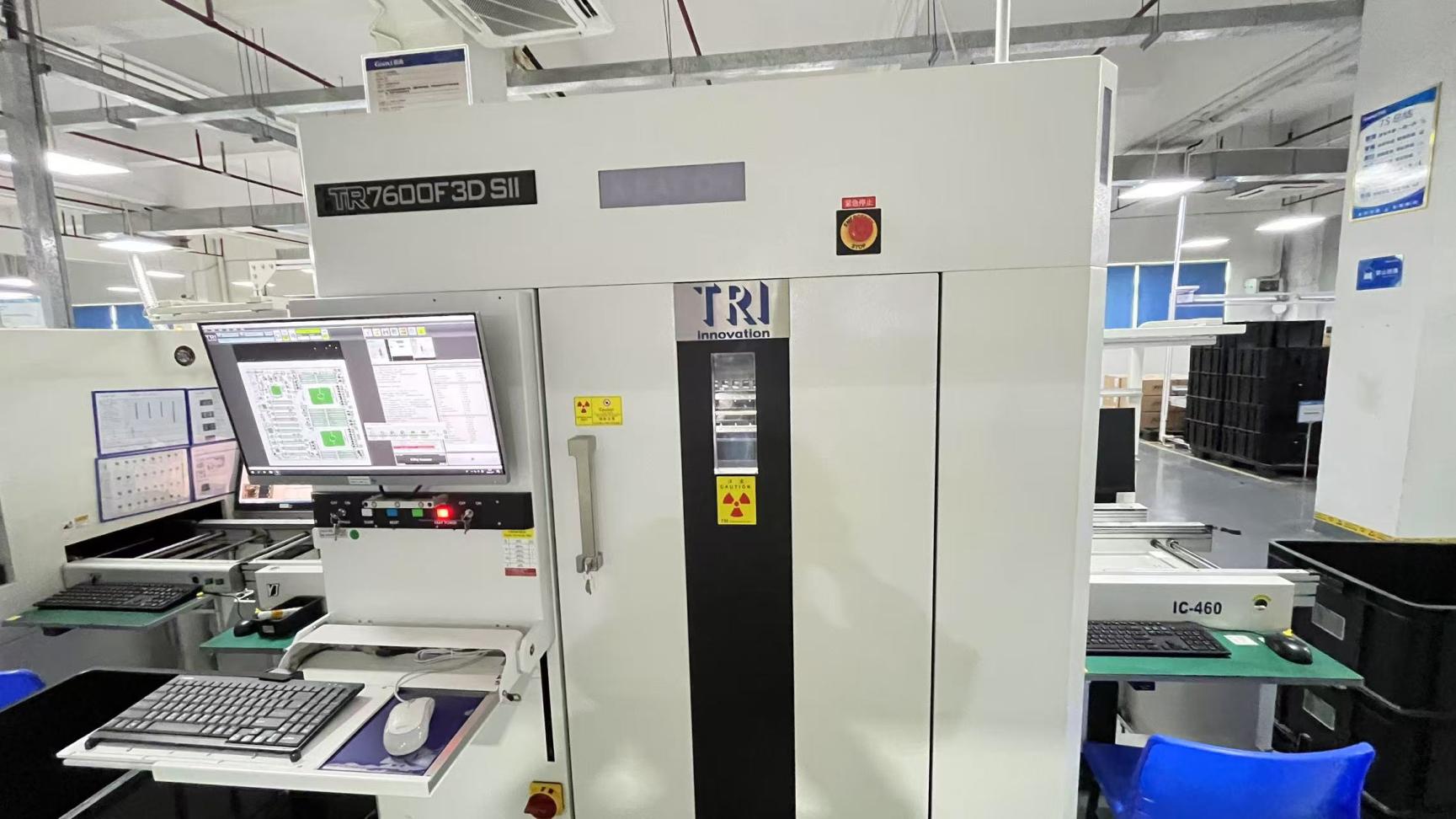
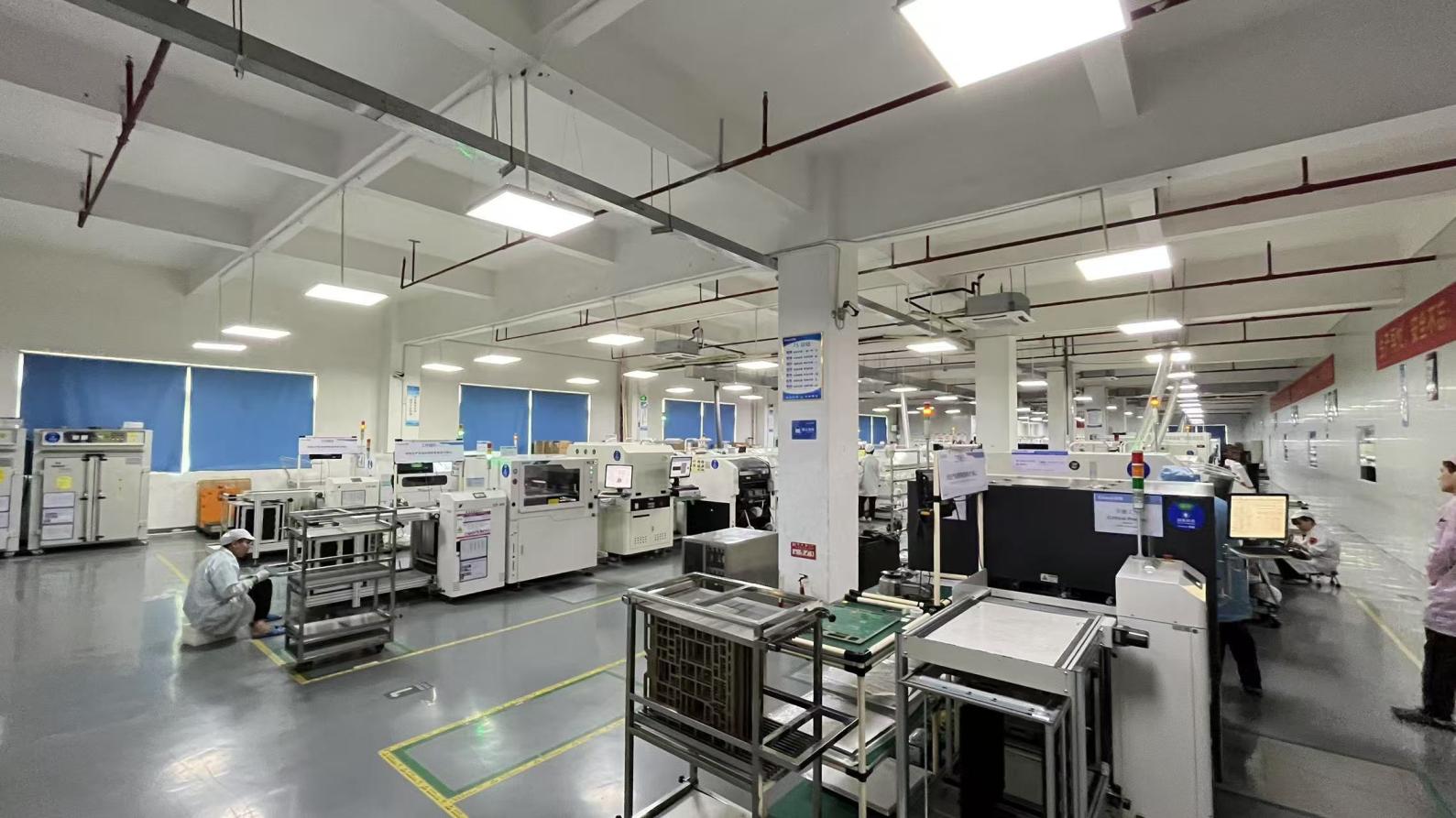
Deltavox Optics Technologies Co., Ltd. is a professional optical communication solutions provider specializing in the design, manufacturing, and global supply of high-performance optical transceivers, fiber optic modules, and networking components. Established in 2016, the company operates from a modern manufacturing facility with a building area of 18,500㎡ and has developed strong expertise in optical communication technologies.
With an annual export revenue of approximately US$18 million, Deltavox Optics has accumulated 7 years of export experience and 12 years of industry experience, serving customers across telecom, data center, enterprise networking, and industrial communication sectors worldwide.
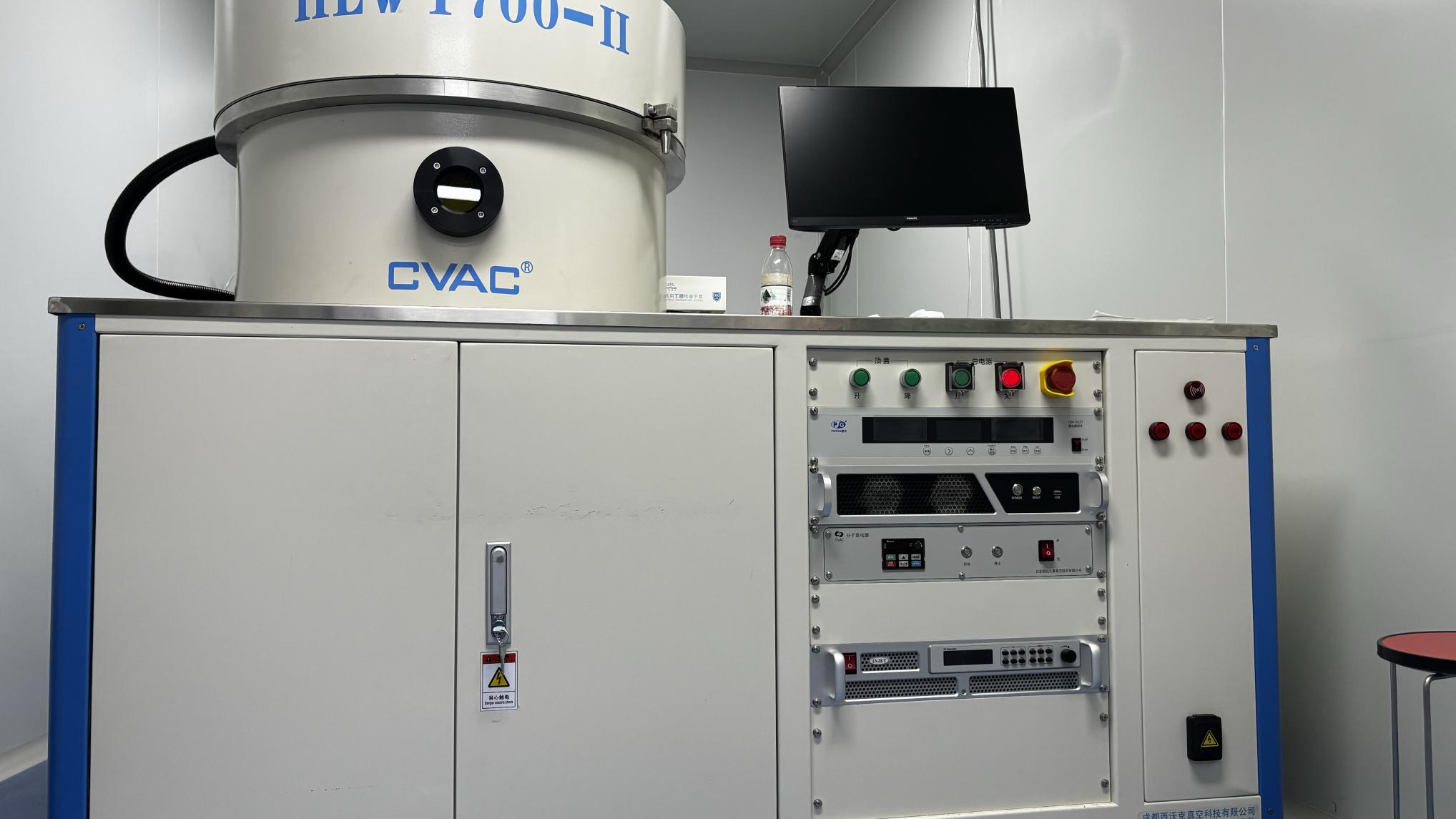
The company maintains strict quality management systems and performs comprehensive quality inspections, including automated optical testing, transmission performance verification, temperature cycling tests, aging tests, compatibility testing, and reliability evaluations. A professional quality control team of 56 inspectors ensures every product meets international standards and customer requirements.
With a strong supply chain network supported by approximately 850 strategic partners, Deltavox Optics provides stable production capacity and efficient delivery solutions. Our major customer groups include optical communication distributors, data center operators, telecom companies, network equipment manufacturers, and enterprise IT solution providers.
In the past year, Deltavox Optics successfully launched 168 new optical communication products, supported by a professional R&D team of 126 optical engineers and technical specialists. Through continuous innovation, advanced manufacturing capabilities, and strict quality control, Deltavox Optics is committed to delivering reliable optical transceiver solutions for global connectivity networks.
By working with Deltavox, customers in Bangladesh benefit from a resilient supply chain, fast production times, and direct engineering support. This minimizes downtime for critical municipal projects, port automation networks, and telecom upgrades.
Our complete selection of compatible, high-performance transceivers, designed to meet the demands of Chittagong's industrial, telecom, and enterprise infrastructures.
Importing networking equipment into Bangladesh requires navigating local customs rules, BTRC (Bangladesh Telecommunication Regulatory Commission) approvals, and specific documentation. Deltavox Optics simplifies this process with a dedicated export logistics team. We provide complete documentation—including Proforma Invoices, Packing Lists, Certificates of Origin, and HS Code declarations—ensuring smooth customs clearance at Hazrat Shahjalal International Airport (Dhaka) or Chittagong Port.
Deltavox Optics modules comply with major international directives, including CE, FCC, and RoHS. Our manufacturing facility uses lead-free assembly processes and energy-efficient designs. Additionally, each transceiver is tested in-house on target hardware before shipping, helping to prevent on-site compatibility or performance issues upon arrival in Bangladesh.
We also offer localized firmware coding. If a Chittagong port operator or utility provider needs custom configurations for older legacy equipment, our engineers can write and load tailored microcode. This enables new transceivers to integrate smoothly with older optical gear.
Still have questions about legacy networks or industrial optical installations?
Connect with an Optical Expert