Deltavox
Deltavox
Deltavox
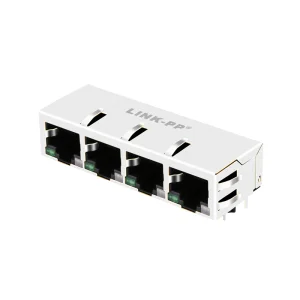
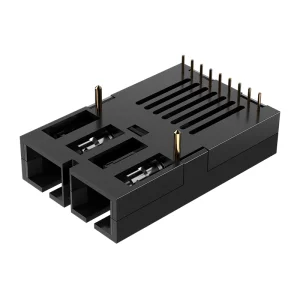
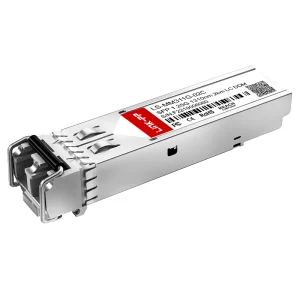
Explore our high-performance optical transceivers, rugged RJ45 connectors, and advanced magnetic components designed for seamless network transition and low bit-error performance.
In modern communications architecture, bridging copper networks and fiber optic backbones seamlessly is paramount. Deltavox Optics Technologies Co., Ltd. acts as a global leader in optical solutions, offering specialized media converters, transceiver modules, integrated magnetic sockets, and physical layer shielding cages.
Established in 2016, Deltavox Optics operates a modern, high-precision manufacturing campus spanning 18,500㎡. For over 12 years in the industry, our focus has been targeting low-latency transmission, structural signal integrity, and strict compatibility testing. Today, our annual export revenue of roughly US$18 million showcases our dedication to enterprise clients globally.
We integrate optical transceivers, RJ45 ports, and customized SFP cages to build robust media conversion ecosystems that keep operational uptime high and procurement cycles smooth.
Understanding the transition from static, unmanaged physical-layer converters to dynamic, software-defined optical aggregation platforms.
As enterprise networks adapt to cloud computing and artificial intelligence loads, media conversion interfaces are shifting from standard Gigabit copper limits. The market now demands high-density, multi-rate converters that transition to 10G BiDi SFP+ or 25G LWDM platforms without increasing power consumption limits.
Industrial settings, transit hubs, and outdoor IP surveillance systems face significant electromagnetic interference (EMI). Modern media converters use shielded enclosures and components like press-fit EMI-shielded SFP+ cages and RJ45 jacks with integrated magnetics to ensure zero transmission loss.
Unmanaged devices represent a network vulnerability. Modern deployments rely on Intelligent Media Converters that support SNMP management protocols, IEEE 802.3ah OAM standards, and Digital Diagnostics Monitoring Interface (DDMI/DOM) telemetry to enable remote diagnostic troubleshooting.
A typical fiber-to-copper deployment involves multiple components. The chart below shows how physical-layer accessories like optical modules, magnetic connectors, and shielded cages directly affect the quality and reliability of the overall media conversion link.
| Component Category | Standard Specifications | Critical Performance Indicators | Key Applications |
|---|---|---|---|
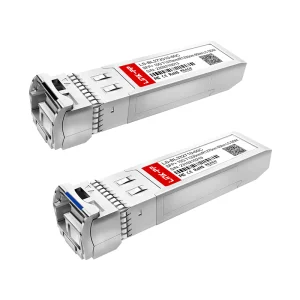
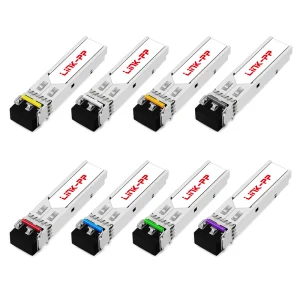
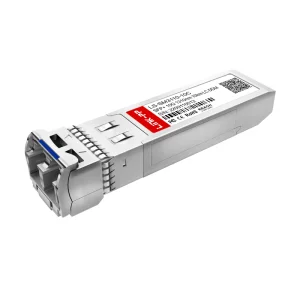
| Optical Modules (SFP+/SFP28) | 10G BiDi, 25G LWDM, LC Simplex/Duplex | Up to 80km, Low Optical Dispersion, WDM Splitting | Metropolitan Area Networks, Carrier Backhaul, FTTH |
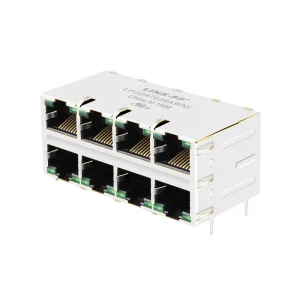
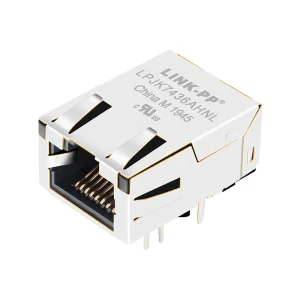
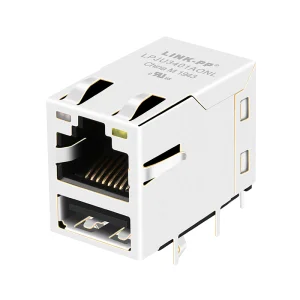
| RJ45 Sockets & Connectors | PoE/PoE+ 2.5G Jack, Integrated Magnetics | 802.3at standard compliance, 2.5G/5G throughput | IP Cameras, Edge Computing, Wireless Access Points |
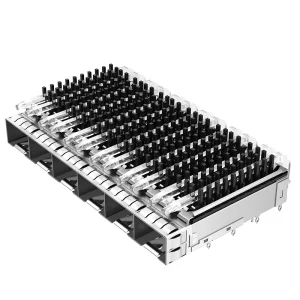
| SFP+ Cages & Heat Sinks | TE Replacement 1x6, 2x8 Press-fit, EMI Shielded | Light pipe indicators, thermal dissipation, EMI reduction | High-density switch ports, blade servers, data center nodes |
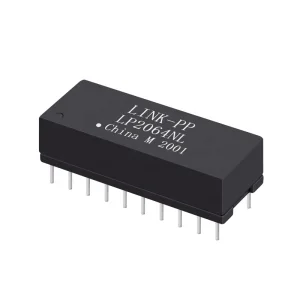
| LAN Transformers | THT Dual Port, 10/100/1000 Base-T magnetic line | 1500Vrms isolation barrier, low return loss | Industrial networking cards, telecom hubs, router boards |
How system integrators and telecom giants use media converters and custom optical transceivers to build next-generation networks.
Smart city systems require high-resolution IP surveillance cameras placed far beyond the 100-meter limit of copper Ethernet. By installing PoE+ 2.5G RJ45 sockets in weather-proof enclosure media converters, operators can power local IP devices while using optical transceivers to carry high-bandwidth video back to centralized data hubs over 20km, 40km, or 80km single-mode fiber links.
Industrial settings are subject to extreme temperatures, mechanical vibrations, and electrical interference. Standard networking hardware often fails in these conditions. Deltavox's industrial media converters use rugged components, like telecom-grade LAN transformers with 1.5kV isolation and wide-temperature transceivers (-40°C to +85°C), to guarantee data transmission in harsh field conditions.
To reduce latency and optimize space, enterprise data centers need high-density switch-to-server configurations. The use of EMI-shielded 2x8 SFP+ cages with integrated light pipes allows engineers to maximize port densities. This design helps minimize crosstalk while keeping fiber connections secure, supporting the low-latency transport needed for cloud applications.
FTTH rollouts rely on cost-efficient CPE (Customer Premises Equipment). Media converters translate incoming high-speed optical signals into standard copper RJ45 interfaces. This enables end-users to connect legacy home routers directly, minimizing installation costs and optimizing signal deployment.
How Deltavox Optics guarantees reliability through systematic testing, professional quality control teams, and secure global supply chains.
Reliable components are critical for preventing network outages. Our testing protocols verify compatibility, signal integrity, and thermal stability before shipment.
Deltavox Optics relies on certified quality management systems to produce network components that meet global standards.
| Quality Team | 56 Professional Inspectors |
| R&D Engineers | 126 Core Developers |
| Annual Product Releases | 168 New Designs Annually |
| Main Export Markets | Europe, North America, SE Asia, Middle East |
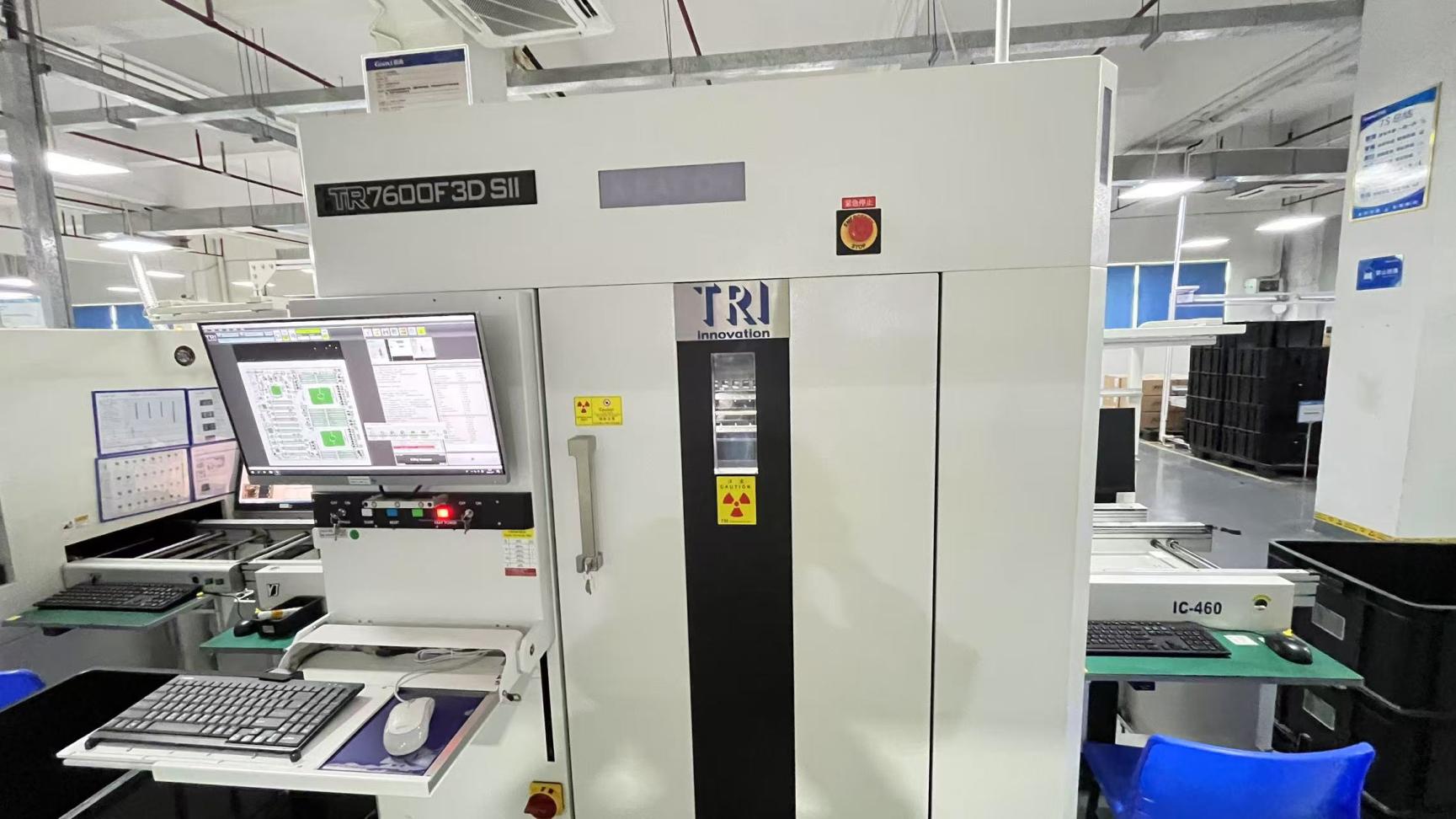
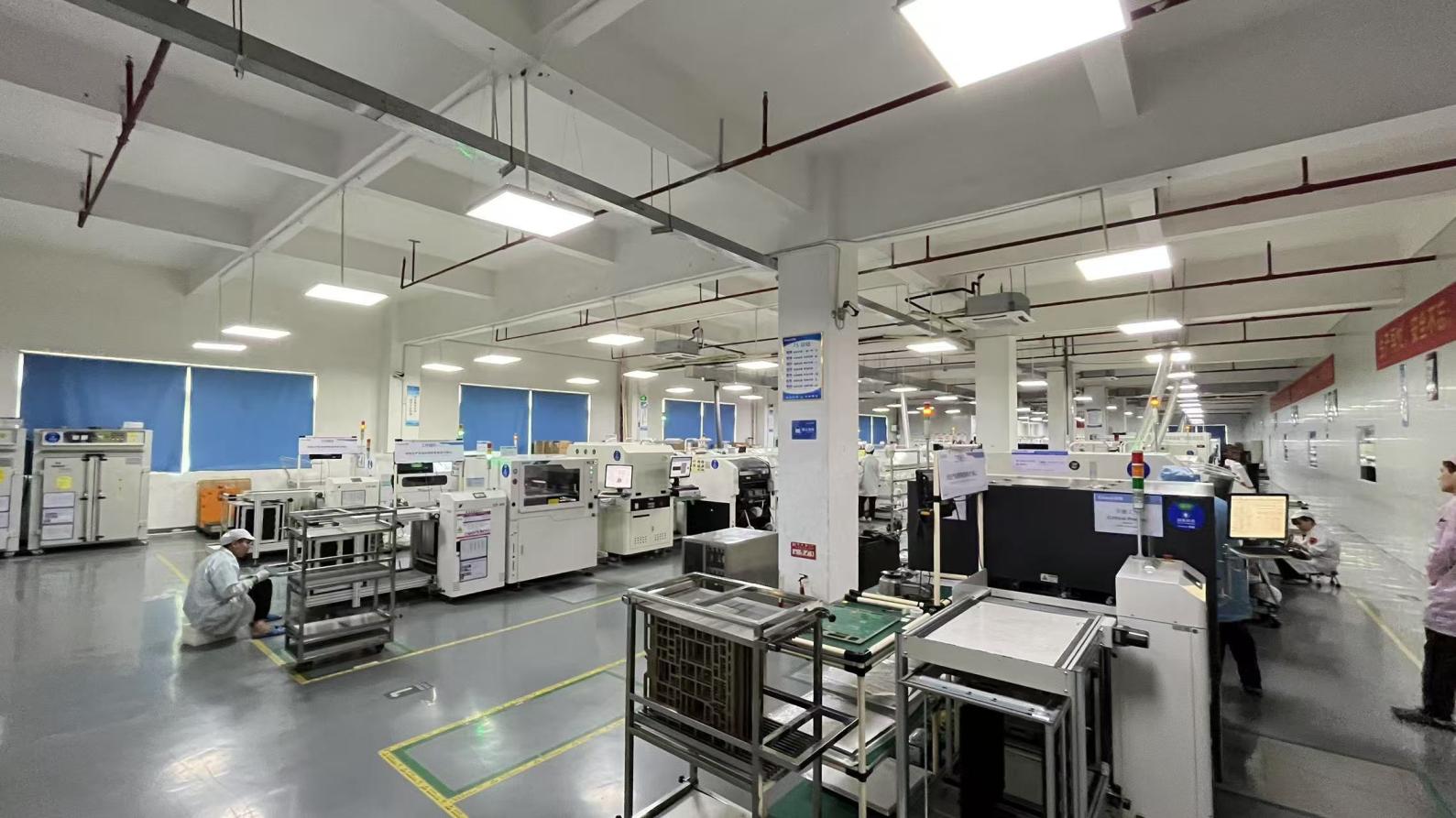
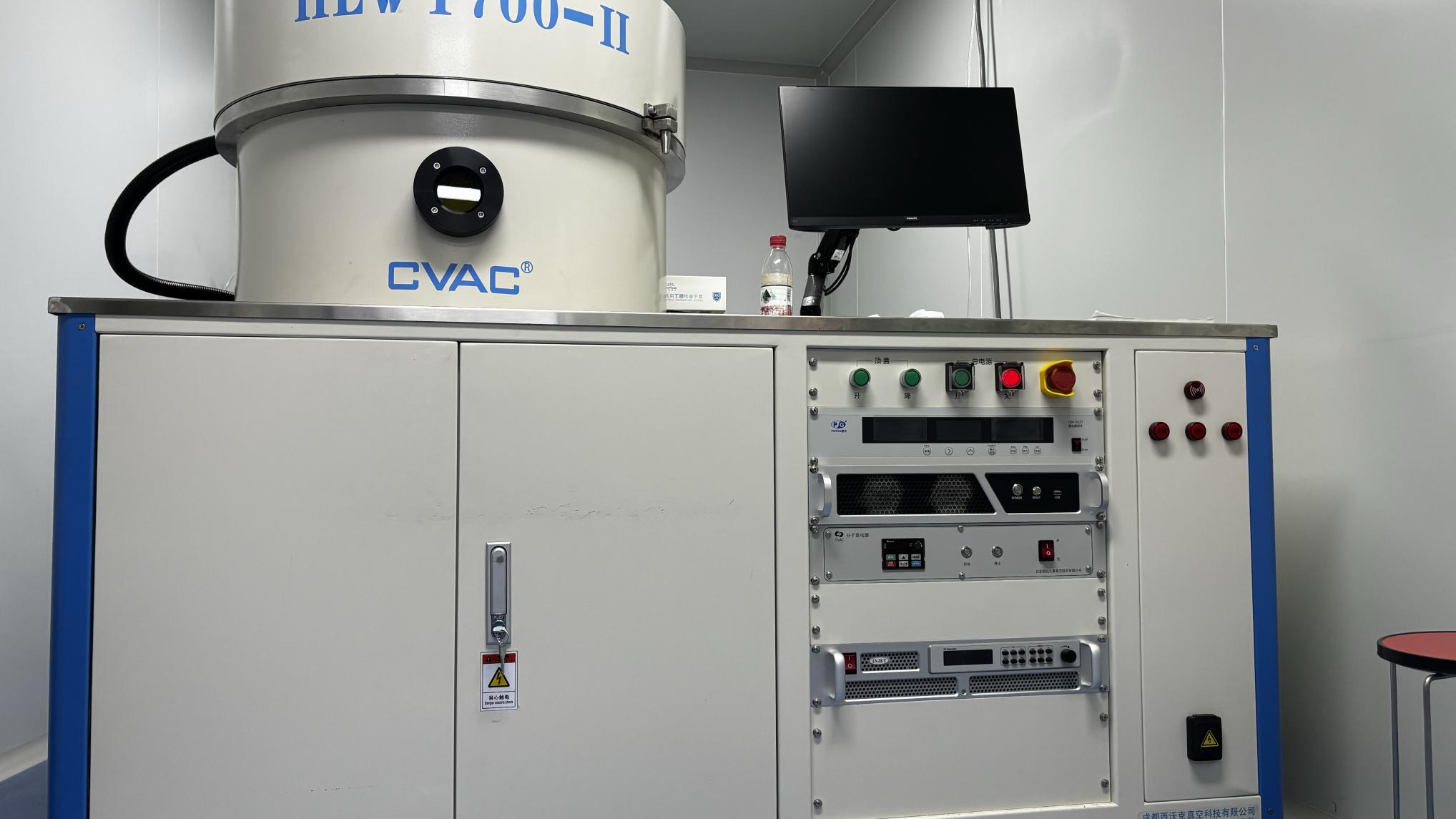
Inside our 18,500㎡ production center, where precision automation and cleanroom operations ensure stable transceiver and optical assembly yields.
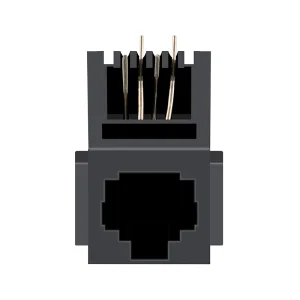
Explore our full line of network components, including SFP cages, RJ11 connectors, high-speed SFP modules, and telecom adapters.
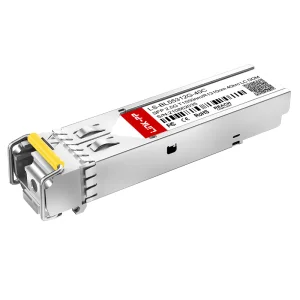
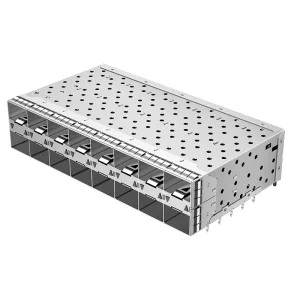
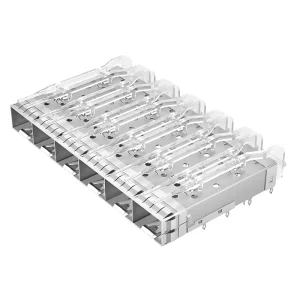
Our R&D efforts focus on next-generation architectures, low-power optoelectronics, and high-density packaging.
To support high-density processing, we are developing transceivers with reduced power consumption. By optimizing laser driver ICs and incorporating silicon photonics, our upcoming transceiver generation aims to reduce power consumption by up to 25% compared to legacy designs.
With the adoption of 2.5G, 5G, and 10G copper Ethernet (10GBASE-T), RJ45 connector designs face stricter electrical safety requirements. Our development team is working on multi-port integrated RJ45 connectors featuring built-in surge protection (up to 6kV) and improved EMI attenuation for noisy industrial settings.
Our upcoming product lines include SFP28/QSFP28 high-speed cable assemblies. These products are designed to meet data center requirements for high-density, low-latency, short-reach interconnects.
We work closely with our raw material partners to verify that all metals, solder pastes, plastics, and PCB components are lead-free and conform to international environmental standards, simplifying compliance for global procurement teams.
Answers to common engineering and sourcing questions regarding optical transceivers, SFP cages, and media conversion components.
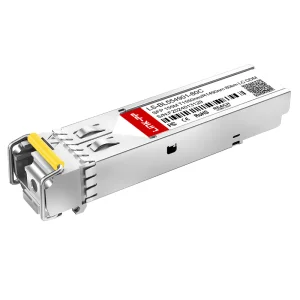
Our Bidirectional (BiDi) SFP+ modules, including the 1270nm/1330nm models, support transmission distances up to 60km and 80km over a single simplex Single Mode Fiber (SMF). They use Wavelength Division Multiplexing (WDM) to transmit and receive signals on different wavelengths over the same fiber core, reducing fiber cabling costs by half.
Connectors like our L869-1A1T-32 and PoE+ 2.5G sockets feature integrated magnetic transformers. These components isolate the physical copper wire from the transceiver IC, helping to protect devices from ground loops, high voltage spikes, static discharges, and electromagnetic interference (EMI).
Yes, our press-fit SFP+ cages (such as the 2274867-6 2x8 and 2007250-1 1x6 models) are designed to be pin-to-pin compatible drop-in replacements for TE Connectivity parts. They meet the same SFF-8432 standards, feature EMI gaskets, and include integrated light pipes for port status monitoring.
Yes. We offer customization options, including custom wavelengths, transmission distances, packaging formats, custom firmware configurations, and OEM labeling/branding. Our team of 126 engineers helps adapt products to meet specific hardware requirements.
We maintain an updated compatibility testing lab that includes switches, routers, and firewalls from brands like Cisco, Juniper, HP, Dell, and Huawei. Every optical transceiver is tested on-device to verify that its EEPROM coding and DOM/DDMI telemetry function correctly without triggering system warnings.