Deltavox
Deltavox
Deltavox
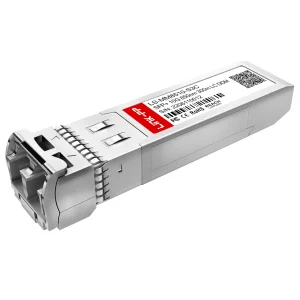
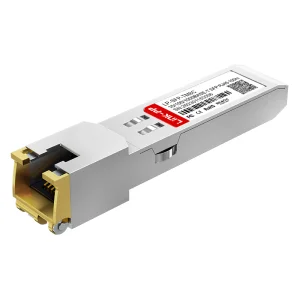
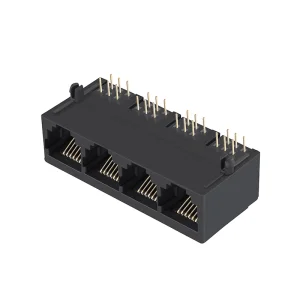
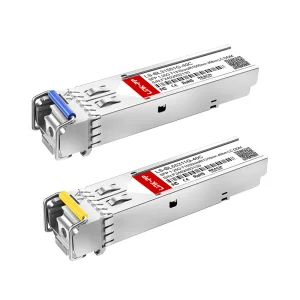
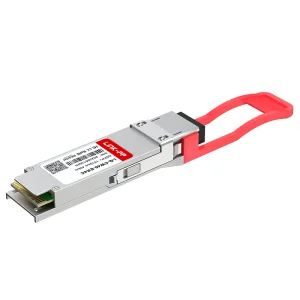
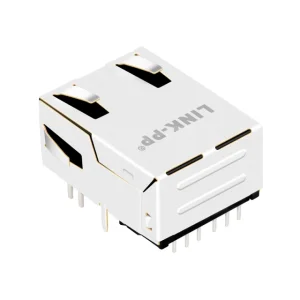
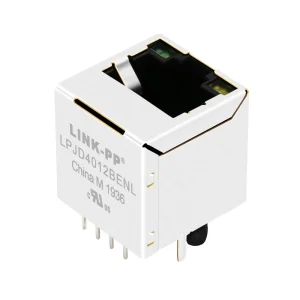
Our premier product line features state-of-the-art optical and copper transceivers, shielding cages, and modular RJ45/SFP structural interfaces for network operators.
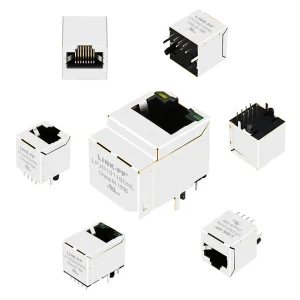
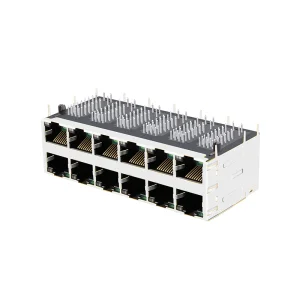
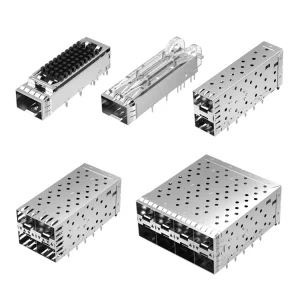
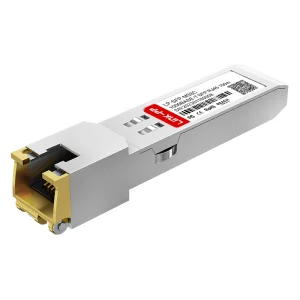
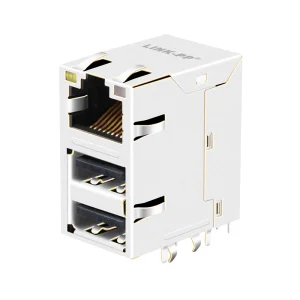
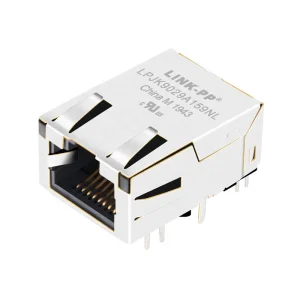
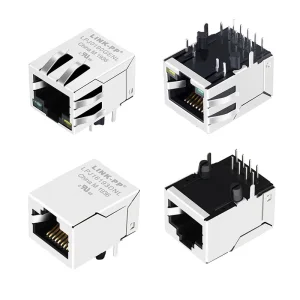
In the contemporary landscape of high-frequency data transmission, the RJ45 Cat7 connector represents the pinnacle of copper interconnect engineering. Originally standardized to support 10 Gigabit Ethernet (10GBASE-T) over copper up to 100 meters, Cat7 cabling operates at transmission frequencies of up to 600 MHz. This strict operational requirement demands connectors designed with minimal insertion loss and exceptional return loss characteristics.
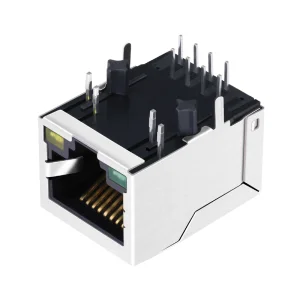
Unlike previous standards, Cat7 infrastructure utilizes Screened Foiled Twisted Pair (S/FTP) architectures. To preserve this configuration, the RJ45 Cat7 connector must incorporate a continuous 360-degree metal shield (typically nickel-plated brass or zinc alloy) to prevent external electromagnetic interference (EMI) and near-end crosstalk (NEXT). Globally, industries are integrating these robust connectors into systems requiring failsafe high-bandwidth performance, bridging the gap between legacy networks and future-proof optical standards.
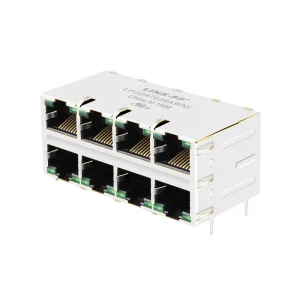
To meet the stringent 600 MHz criteria, our RJ45 connectors maintain continuous shield continuity. This significantly dampens electromagnetic emissions, making them ideal for high-density layouts in enterprise communication hubs.
Why global enterprise networks trust Chinese manufacturing hubs for high-precision networking components.
Leveraging high-speed automated progressive stamping presses and precision plastic injection machines, we achieve contact-pin coplanarity deviations of less than 0.02 mm, ensuring exceptional mating security and reliability.
Chinese refineries offer localized, high-purity phosphor bronze alloys for contact pins, coupled with real-time electrolytic gold plating facilities to assure standard 50u" specifications for enduring mating cycles.
Operating near major global shipping ports with over 850 strategic upstream raw material partners, our supply chain ensures consistent raw material access and short production lead times.
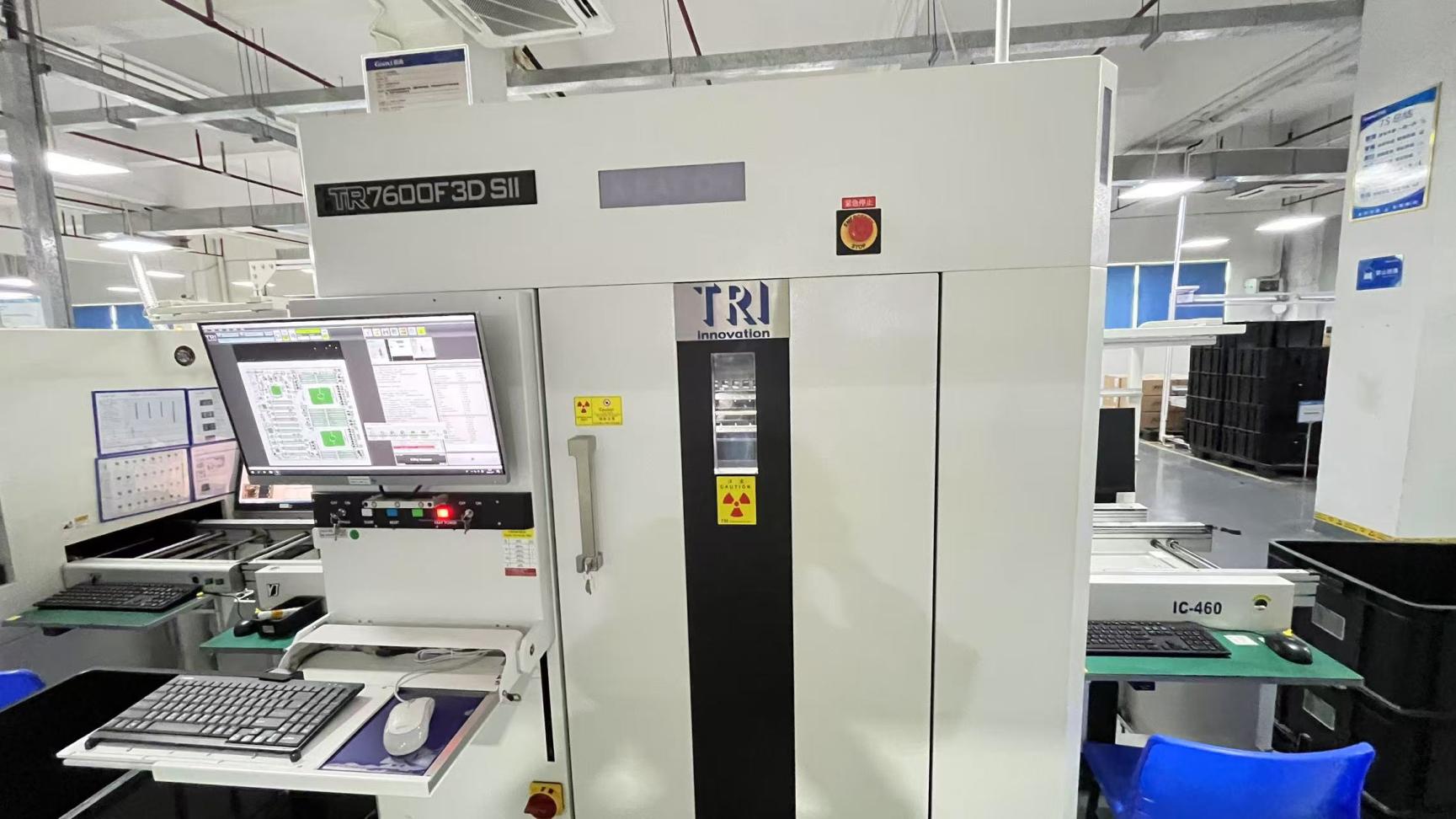
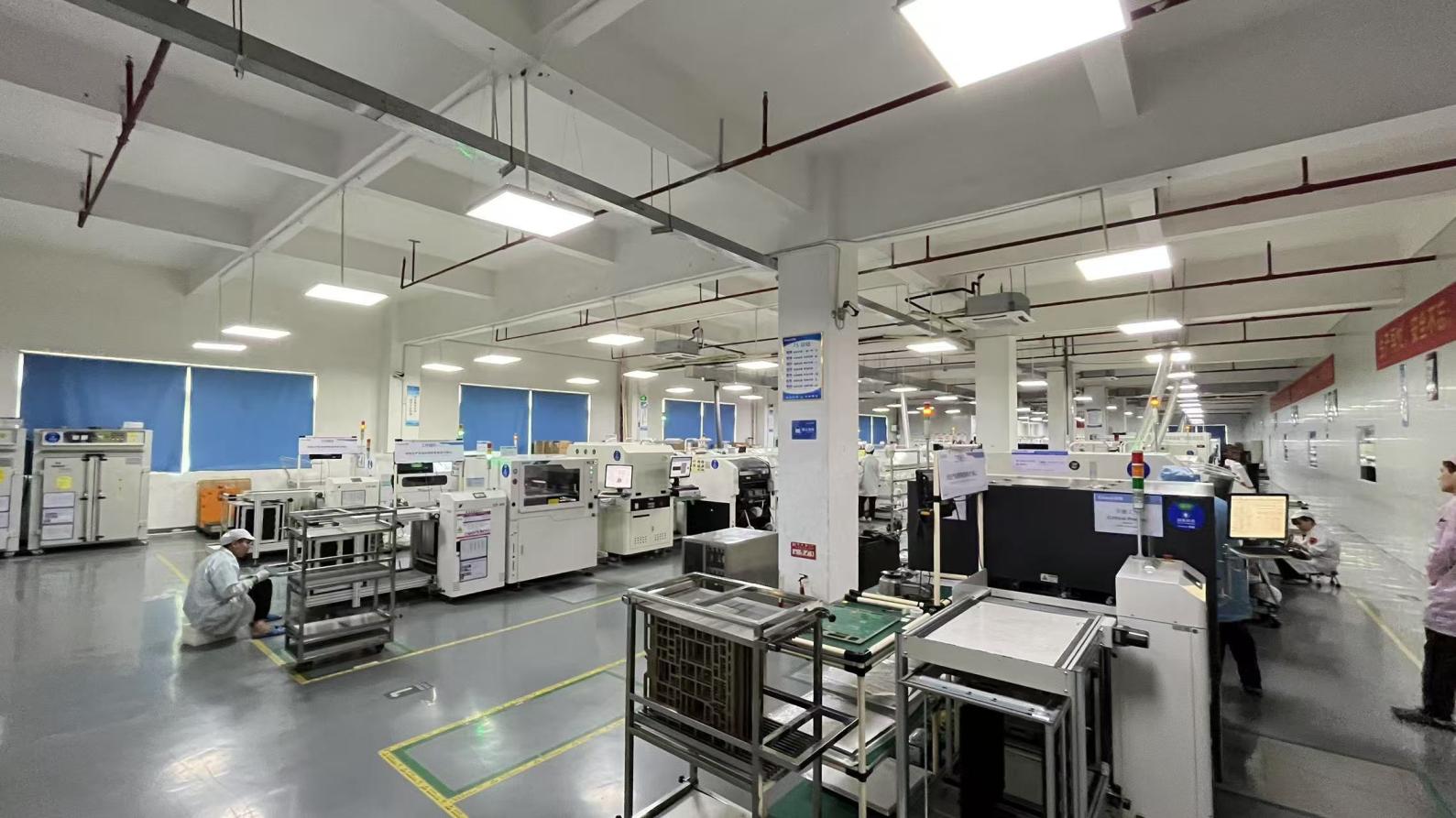
Deltavox Optics Technologies Co., Ltd. is a professional optical communication solutions provider specializing in the design, manufacturing, and global supply of high-performance optical transceivers, fiber optic modules, and networking components. Established in 2016, the company operates from a modern manufacturing facility with a building area of 18,500㎡ and has developed strong expertise in optical communication technologies.
With an annual export revenue of approximately US$18 million, Deltavox Optics has accumulated 7 years of export experience and 12 years of industry experience, serving customers across telecom, data center, enterprise networking, and industrial communication sectors worldwide.
The company maintains strict quality management systems and performs comprehensive quality inspections. Our dedicated quality control team of 56 inspectors ensures every product meets international standards through automated optical testing, transmission performance verification, temperature cycling tests, aging tests, compatibility testing, and reliability evaluations.
Supported by a professional R&D team of 126 optical engineers and technical specialists, Deltavox Optics successfully launched 168 new optical communication products last year. We offer comprehensive OEM/ODM solutions, including custom wavelengths, transmission distances, package types, firmware configurations, and labeling services. Our network spans North America, Europe, Southeast Asia, the Middle East, and South America, supported by approximately 850 strategic partners.
Understanding the strict mechanical, electrical, and materials requirements that differentiate industrial-grade connectivity solutions.
The 8P8C contact point requires gold plating thickness options up to 50 micro-inches (50u") over nickel underplating. This design prevents corrosion and oxidation, maintaining low contact resistance (< 20mΩ) over a lifetime of at least 750 mechanical mating cycles.
Cat7 systems utilize individual pair shielding (F/FTP or S/FTP). The RJ45 shell must offer a low-impedance ground path to the cable shield. This path drains induced high-frequency common-mode noise and prevents external EMI from corrupting the differential signals.
Industrial Cat7 connectors utilize specialized mechanical designs to maintain backwards compatibility with Cat6, Cat5e, and Cat5 interfaces. This enables network operators to upgrade components gradually without discarding existing installations.
High-end RJ45 Cat7 connectors are crucial components across various modern computing and networking environments:
A structured approach for sourcing managers and network engineers to qualify manufacturers and ensure product quality.
When selecting a supplier for RJ45 Cat7 connectors, purchasing agents should verify compliance with critical industrial performance standards. Ensure products are certified to meet ISO/IEC 11801 and ANSI/TIA-568-C.2 specifications, and request third-party verification reports (such as Fluke Test validation for NEXT and return loss performance).
Request documentation detailing contact pin plating thickness, housing material properties (such as UL 94V-0 flame retardancy ratings), and mechanical tolerances. Standardized manufacturing processes and automated optical inspections are vital indicator metrics of consistent component quality in high-volume shipments.
Get professional, engineering-focused answers to the most common questions regarding high-speed copper connectors.
Cat6A is designed to operate at 500 MHz, whereas Cat7 is specified up to 600 MHz and requires individual shielding for each wire pair (S/FTP) to minimize crosstalk. Cat7 connectors feature enhanced grounding shields to maintain signal integrity at these higher frequencies.
Standard crimping tools are generally unsuitable because Cat7 cables are thicker due to individual shielding and larger wire conductors (typically 22-24 AWG). High-quality Cat7 connectors often use toolless load bars or specialized heavy-duty crimping tools to ensure proper shield grounding.
A thicker gold plating layer (50 micro-inches) provides superior wear resistance and corrosion protection. This is vital in harsh industrial environments or data centers with frequent maintenance cycles, ensuring stable electrical contact over the product's lifespan.
PoE++ (Type 4) delivers up to 90W/100W of power over all four twisted pairs. Cat7 connectors feature high-purity phosphor bronze pins and heat-resistant plastic housings. This design minimizes resistive heating at the contact interface, preventing thermal damage during continuous operation.
Zinc alloy housings provide superior mechanical strength and shielding effectiveness compared to plastic shell connectors. The metal casing absorbs and diverts electromagnetic interference (EMI), protecting the signal lines in noisy environments.
Deploying Cat7 connectors in Cat6 or Cat5e networks provides a path for future performance upgrades. The system will operate at the maximum speed supported by the lowest-category component, allowing operators to upgrade cabling incrementally as demand increases.
Browse our selection of high-speed optical transceivers, network jack combos, and robust shielded modular RJ45 connectors designed for demanding physical-layer topologies.
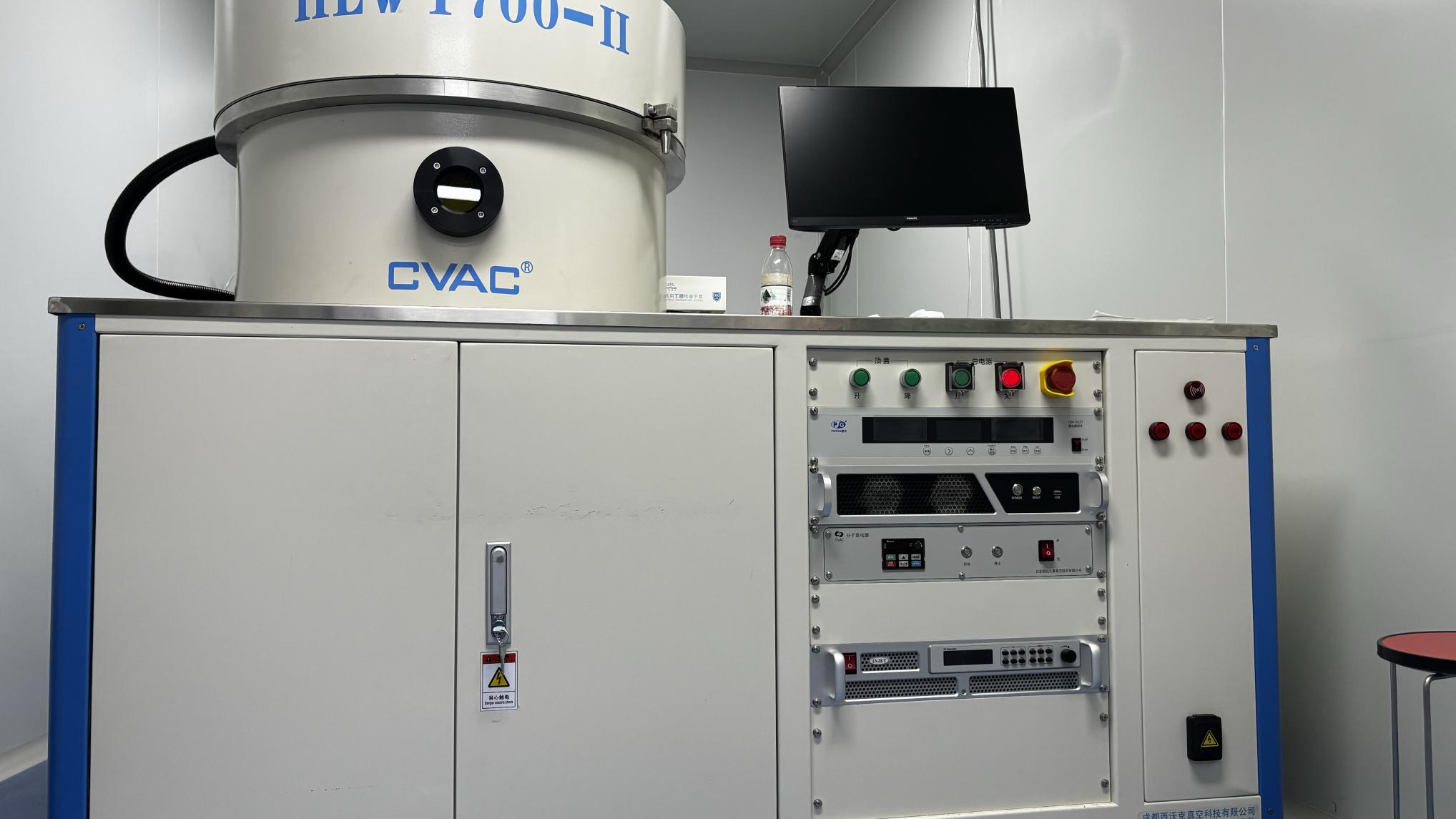
A closer look inside Deltavox Optics' production floor, quality assurance labs, and engineering testing facility in China.