Deltavox Deltavox

Top 10 SFP Transceivers for Global Buyers in 2026?

Time:2026-07-15 Author:Liam
0%

As we approach 2026, the demand for reliable networking solutions is ever-growing. SFP transceivers play a crucial role in high-speed data communication. With advancements in technology, selecting the right SFP transceiver becomes vital.

The market is flooded with options, making it challenging for buyers. They face the issue of quality versus cost. Factors like compatibility, distance, and data rate also come into play. This complexity requires careful consideration and expertise to navigate effectively.

In this landscape, understanding the various types of SFP transceivers is essential. Some products promise exceptional performance but may fall short in real-world applications. Buyers must be aware of these nuances. The goal is to ensure that the chosen SFP transceiver meets both current and future needs. As we explore the top choices, a thorough analysis will empower buyers to make informed decisions.
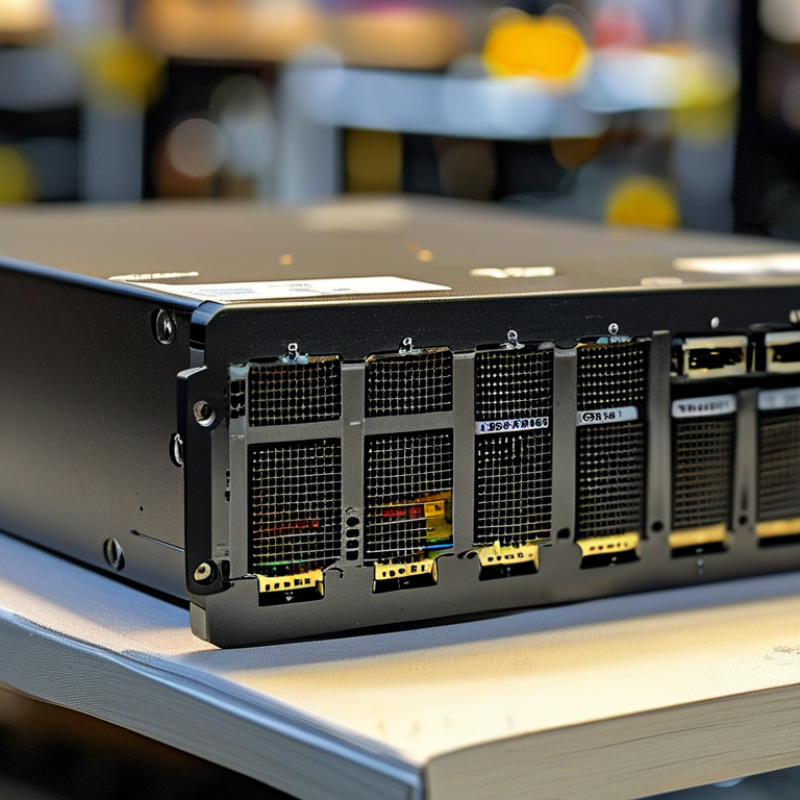
Top 10 SFP Transceivers for Global Buyers in 2026?

Overview of SFP Transceivers and Their Importance in Networking

SFP transceivers play a vital role in modern networking. They are compact, modular devices that facilitate data transmission over various distances and mediums. Commonly, they operate at different speeds and support multiple protocols, enhancing their versatility. As networks continue to evolve, the demand for reliable connectivity grows. SFP transceivers have become essential in achieving high data rates while maintaining efficiency.

Understanding SFP transceivers is crucial for network administrators. Their ability to quickly adapt to changing requirements makes them indispensable. For instance, they can be easily swapped without disrupting the entire system. This flexibility is particularly valuable during upgrades or when troubleshooting. However, overseeing a vast selection can be overwhelming. The array of options often leads to confusion regarding compatibility and performance.

It's essential to keep in mind that not all SFP transceivers are created equal. Quality can vary significantly between manufacturers. Some may offer exceptional performance, while others might not meet critical standards. Thorough research and careful selection are necessary to ensure optimal operation. Making informed decisions can prevent future pitfalls. It’s a process that requires ongoing reflection and adjustment in a rapidly changing technological landscape.

Top 10 SFP Transceivers for Global Buyers in 2026

Criteria for Selecting the Best SFP Transceivers in 2026

When selecting SFP transceivers in 2026, potential buyers should prioritize specific features and criteria. Performance metrics are crucial. Understanding the data rate and reach can influence network efficiency. For instance, different applications may demand unique speeds, such as 1G, 10G, or even higher. Compatibility with various equipment is essential, as not all transceivers work with every brand or model.

Additionally, buyers should consider the environmental conditions. Operating temperature and durability matter in diverse settings. Some transceivers may fail under extreme conditions. It's wise to evaluate the manufacturing quality and any available certifications. Price is always a consideration, but cheap options may compromise reliability. Assessing the overall value requires deeper analysis beyond initial costs.

Lastly, support and warranty options should not be overlooked. Technical assistance can be beneficial, especially for complex installations. A good warranty indicates the manufacturer's confidence in their product. Users often report dissatisfaction due to unclear return policies. Therefore, comprehensive research into these aspects will aid in making informed decisions.

Top 10 SFP Transceivers: A Comprehensive Review and Comparison

As the demand for high-speed data transmission grows, SFP transceivers remain vital. Selecting the right one can be challenging. Various specifications, including data rates and distance capabilities, create a diverse market. Therefore, understanding these components can significantly impact performance.

It's essential to evaluate compatibility with existing hardware. Misalignments can lead to inefficient data flow. Buyers should carefully check standards such as SFF-8472. This careful scrutiny can reveal issues before they arise.

Consider your specific use case. Will you require long-distance capabilities? Or will short-range suffice? Assessing your needs now can mitigate problems later. A well-informed decision saves both time and resources.

Before committing to a purchase, review user experiences and expert analyses. They provide deeper insights into reliability and performance. Some models may look appealing but could fall short in real-world applications. Hence, critical reflection on feedback can guide your selection process.

Top 10 SFP Transceivers for Global Buyers in 2026

Model Data Rate (Gbps) Distance (m) Wavelength (nm) Connector Type
SFP-1000M 1.0 550 850 LC
SFP-10G-SR 10.0 300 850 LC
SFP-10G-LR 10.0 10,000 1310 LC
SFP-25G-SR 25.0 70 850 LC
SFP-40G-SR4 40.0 100 850 LC
SFP-100G-LR4 100.0 10,000 1310 LC
SFP-100G-SR10 100.0 100 850 LC
SFP-400G-SR16 400.0 150 850 LC
SFP-400G-LR8 400.0 10,000 1310 LC

Emerging Trends in SFP Transceiver Technology for 2026

The landscape of SFP transceiver technology is rapidly evolving. In 2026, the focus will shift towards higher bandwidth and enhanced energy efficiency. Transceivers that deliver 400G capabilities will become the industry standard. They will cater to the growing demand for data centers and cloud computing services. More data needs seamless transmission. Thus, the push for advanced technology will intensify.

Another emerging trend is the integration of artificial intelligence. AI will optimize network performance. It allows for real-time monitoring and adaptive adjustments. However, reliance on AI also raises concerns about security and potential vulnerabilities. Users must evaluate risks associated with smart transceivers. Moreover, sustainability is at the forefront. Eco-friendly materials and manufacturing processes are gaining traction. Companies are pushed to lower their carbon footprint while maintaining performance.

As we progress towards 2026, flexibility in network solutions will be crucial. Transceivers must support various applications. This versatility will allow operators to adapt to shifting demands. Some solutions might not be ready for market. Testing and validation processes may reveal limitations. Addressing these challenges will define the future of SFP transceiver technology.

Buyer Considerations: Cost, Compatibility, and Future-Proofing

When considering SFP transceivers, cost is a primary concern for many buyers. The price can vary significantly based on features and specifications. Buyers should conduct thorough market research to find options that fit their budget. Cheaper models might save initial investment but could lead to higher costs in maintenance. Balancing cost with quality is crucial.

Compatibility with existing systems is another key factor. Ensure the transceiver supports your network's protocols and hardware. A mismatch here can disrupt operations and incur extra costs for replacements. Look for products that are universally compatible to avoid future complications.

Future-proofing is vital in a rapidly evolving tech landscape. Selecting transceivers that support emerging standards and technologies can extend their usefulness. Investing in these options now may prevent frequent upgrades in the future. However, it’s essential to assess your organization's growth projections. Not every upgrade is necessary, and over-investing can be wasteful. Staying focused on actual needs while planning for expansion is important.

FAQS

: What factors should be considered when selecting an SFP transceiver?

: Evaluate compatibility with existing hardware and check specifications. Look for data rates and distance capabilities.

Why is it important to assess my specific use case before purchasing?

Understanding your needs helps avoid future problems. It can save time and resources in the long run.

How can user experiences aid in selecting an SFP transceiver?

Feedback offers insights into reliability and performance. Some models may seem good but lack real-world effectiveness.

What trends in SFP transceiver technology are emerging for 2026?

The focus is on higher bandwidth and energy efficiency. 400G capabilities will soon be the industry standard.

How will AI impact SFP transceiver technology in the future?

AI will optimize performance and enable real-time monitoring. There are also security risks to consider.

What are some concerns linked to the use of AI in network solutions?

The reliance on AI raises potential vulnerabilities. Users must weigh risks before adopting smart transceivers.

Why is sustainability important in the development of SFP transceivers?

Companies need to reduce their carbon footprint. Eco-friendly materials are becoming more essential in manufacturing.

What challenges might arise in the market for transceiver solutions by 2026?

Some products may be unready for market demands. Testing may reveal limitations, requiring adjustments.

What is the importance of reflecting on user feedback?

It can guide your purchase decisions. Some appealing models may not perform well in reality.

How can flexibility in solutions benefit network operators?

It allows adaptation to changing demands. Multiple applications can enhance overall network performance.

Conclusion

The article "Top 10 SFP Transceivers for Global Buyers in 2026" provides an in-depth exploration of SFP transceivers, which are crucial components in modern networking infrastructure. It begins with an overview highlighting their significance in enhancing connection speeds and reliability. The criteria for selecting the best SFP transceivers in 2026 are discussed, focusing on performance, compatibility, and affordability.

A comprehensive review and comparison of the top 10 SFP transceivers offers valuable insights into their features and specifications, showcasing the advancements in technology expected in the coming years. Additionally, the article highlights emerging trends in SFP transceiver technology, emphasizing the importance of future-proofing while making purchasing decisions. Buyers are encouraged to consider not only the cost and compatibility with existing systems but also the evolving landscape of networking demands.

Liam

Liam

Liam is a dedicated marketing professional with a profound expertise in the industry, where he excels at highlighting the unique advantages of our core products. With a keen understanding of market trends and consumer needs, Liam frequently updates our company’s professional blog, providing......