Deltavox Deltavox

Top 10 SFP+ Transceivers Buyers Should Consider in 2026?

Time:2026-07-20 Author:Sienna
0%

As we approach 2026, the demand for high-speed networking solutions grows. One critical component in this landscape is the SFP+ transceiver. These devices are essential for enabling fast data transfer in various applications, including data centers and enterprise networks. Understanding the market and its key players is vital for making informed decisions.

In this guide, we will explore the top 10 SFP+ transceivers that buyers should consider. The SFP+ transceiver market is diverse. Each product offers unique features, performance levels, and compatibility options. Buyers must evaluate their specific networking needs. Factors such as distance, bandwidth, and environment matter greatly.

Not all SFP+ transceivers are created equally. Some may not perform as expected in high-demand environments. It’s crucial to research and trust reliable brands. Consider user feedback and performance reviews. This journey isn't just about selection; it’s about ensuring sustainability and efficiency in your networking infrastructure for years to come.
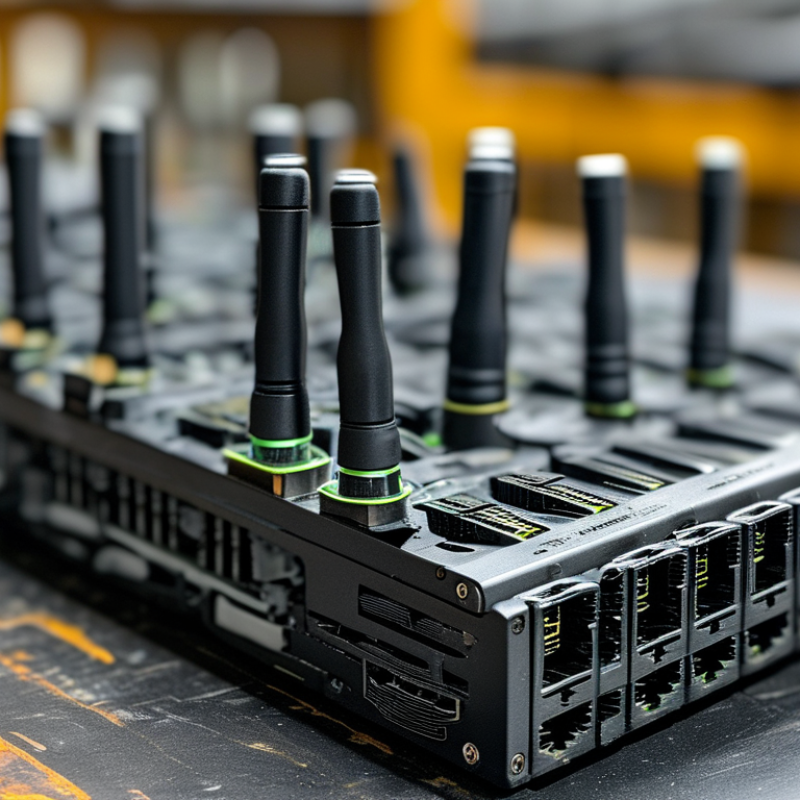
Top 10 SFP+ Transceivers Buyers Should Consider in 2026?

Industry Overview of SFP+ Transceivers Market Trends for 2026

The SFP+ transceivers market is expected to witness significant growth in 2026, driven by increased demand for high-speed data transmission. According to a recent market research report, the global SFP+ transceivers market is projected to reach $2.5 billion by 2026, growing at a CAGR of 15.6%. This growth reflects the rising adoption of data centers and optical networks.

The trend is shifting towards higher bandwidth with more robust performance metrics. Users are likely to prioritize transceivers that offer low latency and high reliability, especially in mission-critical applications. Additionally, the integration of AI technologies is improving the efficiency of transceiver management systems, making them more appealing to buyers. The rise of cloud computing and IoT applications is also driving this demand.

Tips: Focus on compatibility when selecting transceivers. Ensure they align with your existing network infrastructure for optimized performance. Keep an eye on emerging technologies. They could offer new capabilities or efficiencies.

Beyond speed and compatibility, consider the environmental impact of transceivers. Energy efficiency is increasingly becoming a purchase criterion. However, finding a balance between speed and sustainability might prove challenging. Some users may overlook the importance of recycling old units, which can lead to material waste. Reflect on the broader implications of your choices in the market.

Top 10 SFP+ Transceivers Buyers Should Consider in 2026

Rank Transceiver Type Data Rate (Gbps) Distance (km) Connector Type Market Share (%)
1 Single-Mode Fiber 10 10 LC 24
2 Multi-Mode Fiber 10 300 LC 22
3 CWDM 10 40 LC 18
4 BiDi 10 10 LC 15
5 Active Optical Cable 10 100 MPO 12
6 10GBASE-T 10 100 RJ45 10
7 Zinc Oxide 10 20 LC 8
8 Single-Mode WDM 10 80 LC 7
9 DMI 10 15 LC 5
10 10G SFP+ 10 70 LC 4

Key Technical Specifications Buyers Should Evaluate in SFP+ Transceivers

When evaluating SFP+ transceivers, buyers should focus on key specifications. First, data rate matters significantly. Most SFP+ modules support a 10 Gbps rate, which is ideal for many applications. Understanding the distance limitation is equally important. Some models work well for short distances, while others support longer ranges. Ensure you know your distance needs before making a decision.

Another critical specification is compatibility. Check if the transceiver will work with your existing networking equipment. It’s vital to confirm that protocols align. Power consumption is another factor to keep in mind. Lower power usage can save costs in the long run. Opting for energy-efficient models enhances overall performance.

Buyers should also consider form factor options. The standard SFP+ design is popular, but alternative shapes exist. These variations might better suit specific setups. Additionally, evaluate temperature ratings. Some environments may require rugged models. It's worth noting that not all specifications are clear-cut. Sometimes, manual testing reveals discrepancies. Reflecting on these details leads to better decisions.

Top Brands Dominating the SFP+ Transceiver Market by Market Share in 2026

The SFP+ transceiver market is rapidly evolving. By 2026, competition will intensify among leading brands. Research suggests that the top players will capture significant market shares, creating a challenging environment for newcomers.

In 2026, several key players are expected to dominate the market, with a cumulative share of around 60%. This reflects the ongoing trends in data center and telecom solutions. The demand for high-speed connectivity is pushing brands to innovate continuously. Reliability and compatibility remain top priorities for consumers. Notably, reports highlighted an increasing focus on energy-efficient designs. This is essential as industry standards evolve.

However, the market shows signs of saturation. Companies must differentiate their offerings. Some brands may struggle to update their portfolios quickly. Additionally, customers are looking for suppliers who can guarantee performance and support. A recent survey indicated that 40% of buyers prioritize exceptional customer service when choosing a supplier. Brands need to address this to maintain their competitive edge.

Comparative Analysis of SFP+ Transceivers Performance Metrics and Features

In 2026, selecting the right SFP+ transceiver becomes vital. A comparative analysis of performance metrics is crucial. Key factors include data rate, reach, and power consumption. Many buyers struggle with the varying specifications. Some may overspend on unnecessary features. Others might choose lower quality for cost savings.

Another important aspect is compatibility. Not all transceivers work seamlessly with every switch or router. Misalignment can lead to connectivity issues and reduced performance. Users frequently face confusion over supported standards and protocols. This complicates the decision-making process, underscoring the need for careful evaluation.

Heat dissipation is also a concern. High temperatures can affect reliability and lifespan. Buyers sometimes overlook this detail. Durability and build quality should not be ignored. Poorly constructed transceivers can lead to frequent replacements. It’s vital to balance performance metrics with quality assessments. Understanding these elements empowers buyers to make informed decisions.

Future Technologies Impacting SFP+ Transceiver Evolution Towards 2026

As we look towards 2026, the evolution of SFP+ transceivers is heavily influenced by future technologies. The rise of 5G networks will increase demand for high-speed data transmission. This change underscores the need for SFP+ transceivers that can handle higher bandwidths reliably. Fiber optics is also advancing, pushing manufacturers to innovate solutions with longer reach and optimized performance.

Tips: When considering SFP+ transceivers, assess the data rate requirements of your network. Not all setups need the maximum speed available. Reflect on your current infrastructure. Ensure compatibility and consider future upgrades.

Machine learning and AI technology are transforming how devices communicate. This evolving landscape will require new protocols and standards. Power efficiency and thermal management in transceivers will become paramount. Components that can adapt to varying conditions will likely dominate the market.

Tips: Regularly monitor advancements in transceiver technology. Understanding available features will empower informed decisions. Don’t rush your choices; take time to analyze the options at your disposal.

FAQS

: What is driving the growth of the SFP+ transceiver market by 2026?

: Increased demand for high-speed data transmission is a key factor.

How much is the SFP+ transceivers market projected to be worth by 2026?

The market is expected to reach $2.5 billion.

What are buyers prioritizing when selecting SFP+ transceivers?

Low latency and high reliability are top priorities.

Why is energy efficiency becoming important in transceiver purchases?

Environmental impact is taken into account, reflecting sustainability concerns.

What challenges do brands face in the evolving SFP+ transceiver market?

Companies must differentiate themselves in a potentially saturated market.

How does 5G technology influence SFP+ transceiver requirements?

5G increases the need for transceivers that handle higher bandwidths reliably.

What should users consider regarding compatibility when choosing transceivers?

Ensure transceivers align with existing network infrastructure for optimal performance.

What role do AI technologies play in transceiver management?

AI improves the efficiency of transceiver management systems.

Why might some purchasers overlook recycling old transceivers?

Users may not fully recognize the importance of reducing material waste.

What aspects of transceiver technology should buyers regularly monitor?

Advancements and features are crucial for making informed decisions.

Conclusion

The article titled "Top 10 SFP+ Transceivers Buyers Should Consider in 2026" provides a comprehensive overview of the SFP+ transceiver market, outlining key trends and insights for prospective buyers in 2026. It highlights essential technical specifications that buyers should prioritize when evaluating SFP+ transceivers, ensuring optimal compatibility and performance in their network infrastructure. Additionally, the discussion includes an analysis of leading brands and their market share, offering insights into industry dominance and consumer preferences.

Furthermore, the article conducts a comparative analysis of the performance metrics and features of various SFP+ transceivers, enabling buyers to make informed decisions. It also delves into future technologies that are expected to shape the evolution of SFP+ transceivers, providing a forward-looking perspective for stakeholders in the telecommunications sector. With these insights, buyers can better navigate the complexities of the market and invest in transceivers that will meet their needs well into the future.

Sienna

Sienna

Sienna is a skilled marketing professional with a deep expertise in our company’s core products and services. With a passion for innovation and detail, she plays a pivotal role in crafting insightful blog posts that not only highlight the unique features of our offerings but also provide valuable......