Deltavox
As we approach 2026, the demand for fiber optic transceivers is expected to soar. Market research indicates a significant uptick in global internet usage, projected to reach over 5 billion users. According to a report by Global Market Insights, the fiber optic transceiver market is anticipated to grow at a CAGR of 12% from 2021 to 2027. This expansion is fueled by the increasing need for high-speed data transmission and growing cloud computing adoption.
Dr. Emily Chen, a recognized expert in optical communication technologies, has stated, "The evolution of fiber optic transceivers is crucial for meeting future bandwidth requirements." Her insight reflects the industry's pivot towards higher efficiency and speed. Companies are experimenting with various designs and technologies while addressing challenges such as cost and infrastructure compatibility.
Yet, one must ponder the sustainability of this growth. As the industry innovates, potential pitfalls such as supply chain disruptions and fluctuating market demands cannot be ignored. With these factors in mind, navigating the landscape of fiber optic transceivers will require foresight and strategic planning. The journey ahead is promising, but riddled with uncertainties that challenge even the most established players in the market.
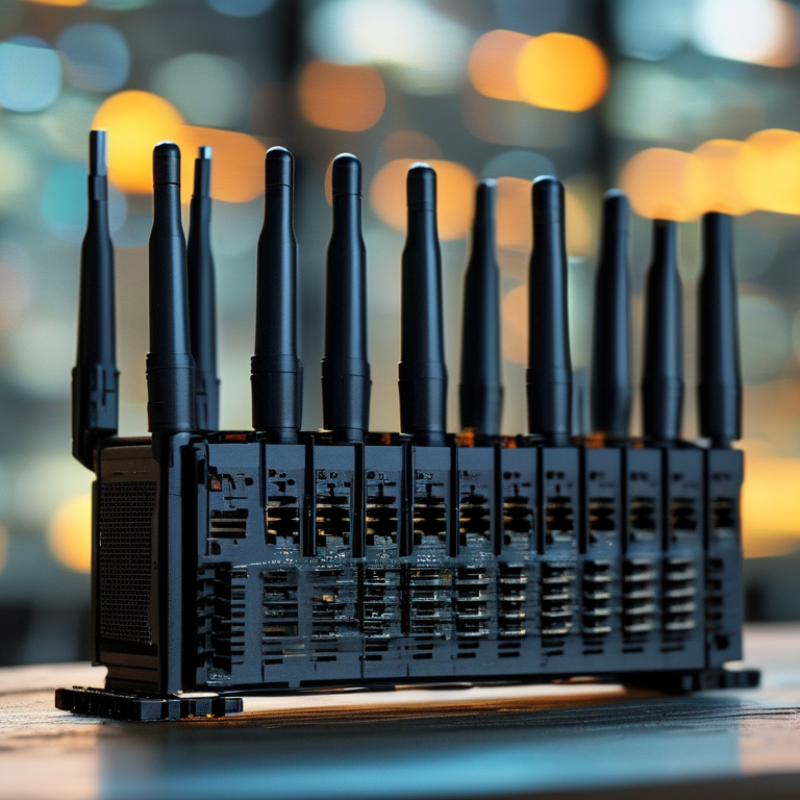
The fiber optic transceiver market is on the brink of significant transformations as we head into 2026. According to industry reports, the demand for these components is surging, driven by the expansion of high-speed internet services and the rise of data centers. It is estimated that the global market will grow at a compound annual growth rate (CAGR) of 10.5% during the upcoming years. This acceleration is largely due to advancements in 5G technology, which requires enhanced transmission speeds.
Sustainability trends are also reshaping market dynamics. Eco-friendly transceivers designed to consume less power are gaining traction. Reports indicate that energy-efficient models can reduce energy costs by up to 30%. However, there is a need for improved recycling processes for these components. Currently, many transceivers end up in landfills. Manufacturers must address this issue to meet environmental standards and customer expectations.
The cloud computing boom plays a crucial role as well. As enterprises move to hybrid cloud solutions, they require robust connectivity options. Data suggests that over 75% of businesses will rely on fiber optic connections in their IT infrastructure by 2026. This shift poses challenges for equipment compatibility and integration. Striking a balance between innovation and practicality remains a key concern as the industry evolves.
When evaluating fiber optic transceivers in 2026, certain specifications play a vital role. Bandwidth is crucial. The demand for higher data rates is skyrocketing. Industry reports suggest that by 2026, transceivers supporting 400G and beyond will dominate the market. These devices cater to increased traffic loads, especially in data centers.
Additionally, considering distance capabilities is essential. The best transceivers transmit signals over varied distances. For instance, some models reach up to 100 kilometers, ideal for long-haul applications. As networks expand globally, this specification will gain prominence. Furthermore, the power consumption of transceivers is a growing concern. Efficient models help reduce operational costs and environmental impact. Reports indicate that energy-efficient designs may improve power usage effectiveness by 20% or more in modern data centers.
Another aspect worth noting is compatibility. Ensuring transceivers are interoperable with existing infrastructure can prevent costly upgrades. Industry professionals often raise concerns about potential integration challenges. Thus, buyers must pay attention to protocol standards, ensuring their choices align with current technologies. In this rapidly evolving field, balancing performance with compatibility is essential for future-proofing investments.
In 2026, the fiber optic transceiver market is expected to witness substantial growth, driven by increasing bandwidth demands. According to a recent report from Data Bridge Market Research, the market is projected to reach $9.8 billion by 2027, growing at a CAGR of over 10%. This surge highlights the crucial role of transceivers in supporting high-speed data transfers across various sectors.
A comparative analysis of top brands reveals significant differences in performance and reliability. For instance, industry data indicates that transceivers with advanced Error Correction Technologies outperform standard models by reducing data loss by up to 30%. However, issues related to compatibility and integration often challenge users. Many buyers report that choosing the right model can be complex and requires a deep understanding of their specific infrastructural needs.
While some brands have made notable advancements in design and durability, others still lag. Reports show that nearly 40% of users encounter difficulties related to heat dissipation in certain models. This reflects a need for continuous innovation within the industry. Additionally, feedback emphasizes the importance of post-purchase support, as many customers feel unprepared for troubleshooting without comprehensive expert guidance.
Understanding these nuances can help buyers make informed decisions in a fluctuating market.
As the demand for high-speed data transmission grows, fiber optic transceivers are becoming increasingly vital. Analysts predict that pricing trends will experience fluctuations through 2026. Factors such as material costs and technological advancements will influence prices in the coming years. The market may see both drops and spikes in pricing, creating instability for buyers.
In 2026, several key factors will likely shape the fiber optic transceiver market. For instance, the push for faster internet speeds will propel innovation, impacting production costs. Additionally, global supply chain challenges can lead to unexpected price hikes. Buyers need to remain flexible and informed about these changes.
Awareness of market trends is essential for making informed purchasing decisions. Engaging with industry experts and analyzing emerging technologies can provide deeper insights. Buyers might need to reassess their strategies regularly. This dynamic market landscape presents both opportunities for growth and challenges that must be carefully navigated.
Emerging technologies are pivotal in shaping the future of fiber optic transceivers by 2026. Currently, the global market for fiber optics is projected to surpass $9 billion by 2026, driven by increasing data consumption. This shift demands transceivers that support higher data rates and greater bandwidth. As a result, technologies like coherent optics and 400G transceivers are gaining momentum.
The rise of AI and machine learning in network management offers enhanced performance metrics. These innovations allow for real-time monitoring and adjustments, thereby improving efficiency. A report from the International Fiber Optics Industry Association (IFOIA) indicates a 35% rise in demand for advanced transceivers that can handle complex data loads.
However, adaptation isn't without challenges. The integration of new technologies into existing infrastructure raises compatibility concerns. Additionally, the cost of upgrading can be significant for many enterprises. Addressing these issues will be crucial for stakeholders aiming to stay competitive in a rapidly evolving market. Emerging technologies indeed shape the landscape but also require reflection on sustainable growth strategies.
: The market is projected to grow at a CAGR of 10.5%.
High-speed internet services and data center expansions drive the demand.
Eco-friendly transceivers are becoming popular as they consume less power and reduce costs.
Many transceivers end up in landfills, highlighting a need for better recycling processes.
Businesses moving to hybrid clouds will rely on fiber optics, necessitating strong connectivity solutions.
Material costs, technological advancements, and global supply chain issues may cause price fluctuations.
Staying informed helps buyers navigate price instability and make smarter purchasing decisions.
Balancing innovation with practicality is crucial due to evolving technology in the industry.
Maintaining flexibility and reassessing strategies regularly is essential for navigating price changes.
Technological innovation drives faster internet speeds, impacting both demand and production costs.
The article "Top 10 Fiber Optic Transceivers for Global Buyers in 2026" highlights significant market trends driving the demand for fiber optic transceivers. Key specifications such as data rate, distance, and compatibility are crucial considerations for buyers in selecting the right transceiver. Additionally, a comparative analysis of top brands provides insights into performance and reliability, aiding in informed purchasing decisions.
Projected pricing trends indicate a gradual decrease, likely influenced by advancements in technology and increased competition. Emerging technologies are forecasted to further shape the future of fiber optic transceivers, enhancing capabilities and performance. As the market evolves, understanding these factors will be essential for global buyers aiming to stay ahead in the fiber optic communication landscape.