Deltavox
In the rapidly evolving world of data networking, selecting the right QSFP56 transceiver can be a daunting task. Industry expert John Doe, a senior engineer at Tech Innovations, states, "Choosing the right transceiver can significantly impact your network's performance." This highlights the importance of making informed choices.
A QSFP56 transceiver is vital for high-speed data transmission. When selecting one, consider factors such as compatibility, speed, and range. Many users often overlook these aspects, leading to suboptimal network performance. Understanding these criteria can prevent costly mistakes.
It's essential to do thorough research. The wrong QSFP56 transceiver may lead to inefficiencies. Additionally, consult with trusted professionals. Their insights can help clarify your options. Recognizing the intricacies of these devices is crucial for making sound decisions.
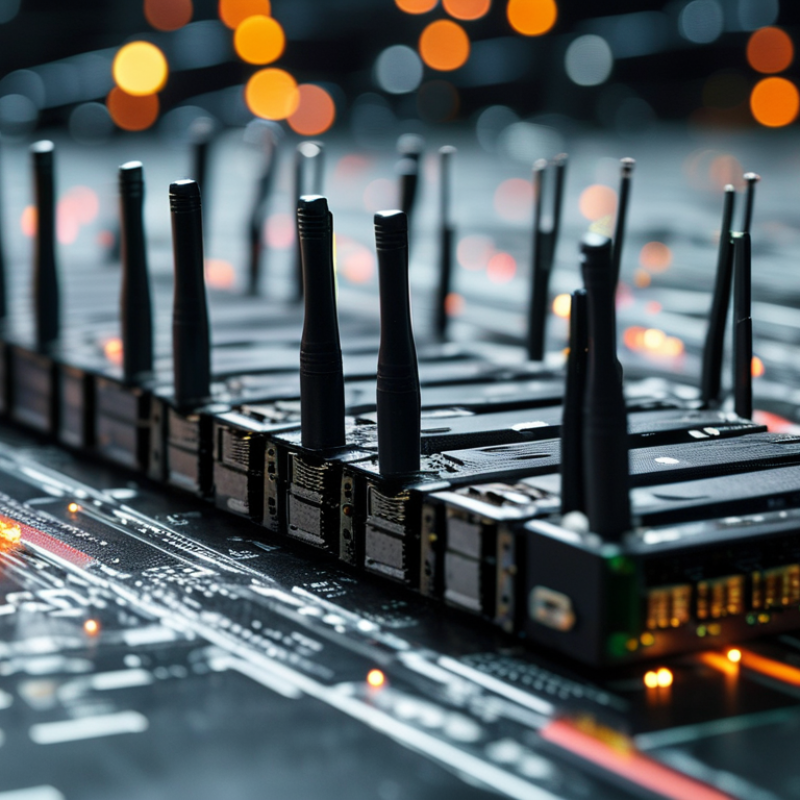
When selecting a QSFP56 transceiver, understanding its key features is vital. QSFP56 supports high-speed data transmission, up to 400 Gbps. This makes it suitable for data centers and high-performance computing environments. Additionally, consider the form factor; the compact design saves space and improves airflow in racks.
Tip: Assess your network requirements. Consider the distance and bandwidth needed. QSFP56 transceivers vary in range and capabilities. Evaluate whether you need passive or active optical cables. Active cables often provide longer reach and better performance.
Another important aspect is compatibility. Ensure that the transceiver works with existing hardware. Some may work well only with specific switches or routers. Test configurations before finalizing your choice. This reduces future headaches and downtime. Be aware that not all transceivers are created equal. Quality can vary across manufacturers, impacting performance and reliability.
This chart illustrates the importance of five key features when selecting a QSFP56 transceiver. The data represents a quantified evaluation based on user feedback and industry standards.
Selecting the right QSFP56 transceiver is crucial for optimal network performance. Assessing compatibility with your existing equipment is a primary step. Ensure that the transceiver supports the same protocols and data rates as your hardware. Misalignment can lead to serious connectivity issues.
When choosing a transceiver, check specifications thoroughly. Look for details on wavelength and distance limitations. Incorrect details can lead to unexpected failures. It’s wise to consult various resources to double-check this data. Sometimes, vendors don’t provide complete information, leading to potential mismatches.
Another tip is to consider the transceiver's form factor. Compatibility with the physical port is key. Be aware that even slight physical differences can render a transceiver unusable. You should verify dimensions and connection types in your planning phase. Not all transceivers fit seamlessly; some may require adjustments. Reflect on the need for a flexible and adaptable approach to your choices, as this can save time and resources in the long run.
When selecting the right QSFP56 transceiver, understanding performance metrics is critical. Bandwidth is a primary consideration. Higher bandwidth supports faster data transmission. A QSFP56 transceiver can typically handle up to 400 Gbps. This is vital for data centers and high-performance computing environments. However, bandwidth alone does not dictate overall performance.
Reach is another important factor. The reach of a transceiver defines the maximum distance it can effectively transmit signals without loss. Depending on the type of cabling, reach can vary significantly. For instance, multimode fibers can have different distance limitations compared to single-mode fibers. Evaluating this ensures you meet your specific infrastructure needs.
Latency may often be overlooked but is essential. It impacts how quickly data can be sent and received. Lower latency improves overall system responsiveness. While some transceivers claim high speeds, their latency must also be examined. It’s crucial to achieve a balance between bandwidth, reach, and latency. Attention to these details can prevent future bottlenecks in your network.
When considering QSFP56 transceivers, it's crucial to analyze the cost versus quality carefully. The price often reflects the technology and performance level. However, not all expensive options guarantee the best performance for every application. A detailed examination is essential. Often, organizations prioritize budget limits, but compromise on quality can lead to increased downtime or compatibility issues.
Understanding your specific needs helps in making informed choices. Lower-priced transceivers might seem appealing, but they could lack essential features or reliability. Lesser-known manufacturers might offer cheaper alternatives, yet this comes with risks around durability and support. A thorough vetting of specifications and user reviews is critical for a balanced approach.
Quality assurance is another factor to weigh closely. Some providers offer warranties and support, promising peace of mind. Investing a little more in a reputable product can save long-term costs associated with failures. Reflecting on past purchases can provide insights, helping to avoid future missteps. The decision is more than just a financial one; it’s about sustainability and performance longevity.
| Feature | Description | Price Range ($) | Quality Rating (1-5) |
|---|---|---|---|
| Compatibility | Ensure the transceiver is compatible with your existing equipment. | 200 - 800 | 4 |
| Transmission Distance | Check the maximum distance the transceiver can cover based on your needs. | 300 - 1000 | 5 |
| Power Consumption | Evaluate the energy efficiency to minimize operating costs. | 100 - 500 | 4 |
| Warranty | Consider the length and terms of the warranty provided. | Varies | 5 |
| Customer Support | Evaluate the quality of customer support and resources available. | N/A | 5 |
As networks evolve, the demand for faster, more reliable connections grows. QSFP56 transceivers, offering up to 200G of bandwidth, are pivotal in meeting this demand. According to a report by Mordor Intelligence, the fiber optics market is expected to reach $32 billion by 2026, driven largely by the rise of data centers and cloud computing. Understanding the latest technology trends is key for future-proofing your network.
Scalability is crucial in choosing transceivers. Networks need to adapt as data traffic increases. Research from the International Data Corporation indicates that global data created will reach 175 zettabytes by 2025. This growth means your transceivers must not only support current standards but also forthcoming advancements. It's essential to ensure compatibility with future technologies like 400G and beyond.
However, challenges exist. Not all transceivers will deliver on expected performance. Reliability and temperature variations can affect their life span. A study by LightCounting highlighted that 20% of transceivers fail within three years. Choosing the right transceiver involves careful consideration of these factors, alongside standard metrics such as power consumption and lane efficiency. Balancing immediate needs with long-term scalability will be vital.
: QSFP56 transceivers support data transmission speeds up to 400 Gbps, suitable for high-demand environments.
The compact design of QSFP56 helps save space and improve airflow in data centers.
Evaluate network requirements like distance, bandwidth, and whether to use passive or active optical cables.
Not all transceivers work with every hardware. Testing configurations can prevent future issues and downtime.
Bandwidth, reach, and latency are essential metrics. Achieving a balance among them is critical for performance.
Reach varies by cable type. Multimode fibers may have shorter distance limits than single-mode fibers.
Yes, lower latency improves response times, making it a vital factor in selecting transceivers.
Transceivers should adapt to increasing data traffic and future technologies to ensure long-term viability.
No, reliability can vary. Studies show that 20% of transceivers may fail within three years.
Consider immediate needs alongside long-term scalability and technology advancements to avoid future problems.
When selecting a QSFP56 transceiver, it is essential to understand its key features and specifications, as this will directly impact its performance and compatibility with existing equipment. Assessing compatibility ensures that the chosen transceiver will function optimally within your network infrastructure. Additionally, evaluating performance metrics such as bandwidth, reach, and latency is crucial for meeting specific application requirements.
Cost analysis is equally important; balancing quality and price will help in making an informed decision that fits the budget while maintaining performance standards. Finally, considering the future-proofing aspect of your network is vital as it allows for scalability and adaptation to emerging technology trends in transceivers. By focusing on these areas, organizations can effectively choose a QSFP56 transceiver that not only meets current needs but also supports future growth.
