Deltavox Deltavox

What is QSFP Transceiver and How Does It Work?

Time:2026-07-25 Author:Henry
0%

The QSFP transceiver, or Quad Small Form-factor Pluggable transceiver, is a versatile device used for high-speed data transmission. This component is crucial in modern networks, supporting 40G and 100G Ethernet applications. Understanding how the QSFP transceiver works is essential for network engineers and IT professionals.

Designed to be compact, the QSFP transceiver offers efficient connectivity for data centers. Its ability to handle multiple data channels simultaneously makes it ideal for high-bandwidth applications. Many professionals appreciate its ease of installation and hot-swappable nature, which simplifies upgrades and maintenance. However, while the technology is reliable, choosing the right QSFP transceiver can be challenging. Compatibility issues may arise, especially in diverse networking environments.

As networks evolve, so does the technology behind QSFP transceivers. Staying updated on advancements is necessary for optimizing performance. Despite the benefits, users must be cautious of the potential pitfalls, such as overheating or mismatched specifications. These issues highlight the importance of research and testing before implementation. Understanding the QSFP transceiver fully can greatly enhance network efficiency and reliability.
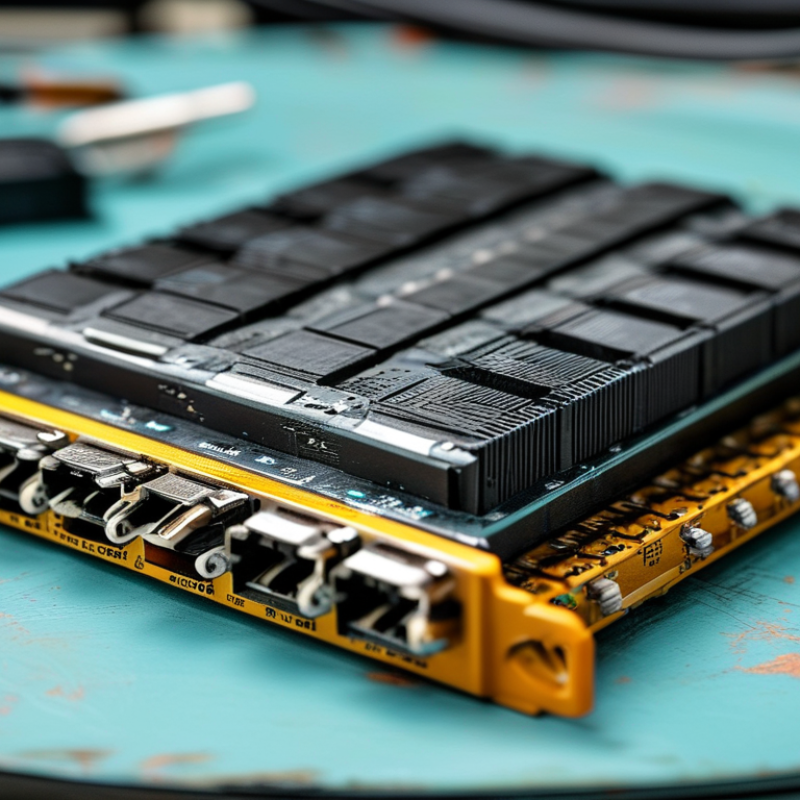
What is QSFP Transceiver and How Does It Work?

What is a QSFP Transceiver?

A QSFP transceiver, or Quad Small Form-factor Pluggable, is a compact optical module. It is widely used in high-speed data communication. Typically, it supports data rates of up to 400 Gbps. This transceiver connects switches, routers, and other network devices. Its design allows for quick replacements without interrupting the system.

One notable feature of QSFP transceivers is their versatility. They can use various types of optics like multimode or single-mode fibers. This flexibility enables them to be suitable for different network setups. Additionally, the transceiver can handle various protocols such as Ethernet and Fibre Channel. This broad compatibility makes QSFP a popular choice in data centers.

Tips: When considering a QSFP transceiver, check the compatibility with your existing equipment. Ensure the right optical fiber type is selected for your environment. Proper installation can prevent many common issues. Regularly monitoring the transceiver’s performance can reveal potential problems early. Be mindful that over time, even reliable components may need replacement.

Key Features of QSFP Transceivers

QSFP transceivers have become essential in network communications, especially for data centers. Their design allows for high-speed data transmission over short distances. They can support data rates up to 400 Gbps, providing ample bandwidth for modern applications. According to a recent report by the Optical Networking and Communications Conference, the demand for high-capacity transceivers like QSFP is expected to grow by over 30% annually.

One of the standout features of QSFP transceivers is their versatility. They can support multiple protocols, including Ethernet, Fibre Channel, and InfiniBand. This flexibility is vital for organizations that require adaptable solutions for various applications. Reports indicate that 70% of network architects prefer modular transceivers due to their capacity to upgrade without overhauling the entire system. This adaptability is crucial as technology continues to evolve.

However, there are challenges to consider. Heat generation is a common issue in high-density environments. Cooling requirements can increase operational costs and complicate system design. Additionally, ensuring compatibility with existing hardware is a crucial factor. Many professionals cite integration difficulties as a significant concern when transitioning to new systems. While QSFP transceivers offer incredible benefits, careful planning and implementation are necessary to leverage their full potential.

QSFP Transceivers: Key Features Overview

This chart illustrates the key features of QSFP transceivers, highlighting their data rate capability (100 Gbps), reach (up to 500 meters), power consumption (3.5 W), and connector type. These specifications make QSFP transceivers a crucial component in modern high-speed networking.

Different Types of QSFP Transceivers

QSFP transceivers offer several types tailored for various applications. Common variants include QSFP+ for 40 Gbps, QSFP28 for 100 Gbps, and the latest QSFP-DD, supporting up to 400 Gbps. Each type serves specific networking needs. For high-density environments, the QSFP-DD allows data centers to maximize throughput with minimal space.

Research indicates that data traffic in data centers may reach 10 Zettabytes by 2025. As bandwidth demands rise, understanding different QSFP types becomes crucial. Not all transceivers are interchangeable. Choosing the right type ensures optimal performance and reliability. Investing in the correct technology can prevent potential future bottlenecks.

When selecting a QSFP transceiver, consider cable length and environment. Short-range solutions may suffice for small setups. Long-distance connections might require advanced options. Always consult technical specifications to ensure compatibility. Test setups periodically to maintain efficiency. Details in the installation are vital. Small oversight can lead to performance issues over time. Regular assessments can safeguard your network's integrity.

How QSFP Transceivers Work: A Step-by-Step Guide

QSFP transceivers are essential in modern data communication. They facilitate faster data transfer rates in network systems. Understanding how they operate is crucial for optimizing network performance.

To grasp how QSFP transceivers work, start with the conversion process. They convert electrical signals into optical signals. This transformation occurs through input/output modules within the transceiver. The resulting optical signals travel through fiber optic cables. These cables enhance speed and reduce latency.

Tips: Keep an eye on compatibility when choosing transceivers. Different systems may require specific types. Avoid random selections as mismatched components can cause issues.

Another critical aspect is power consumption. QSFP transceivers vary in their energy usage. Over time, this difference can impact overall operational costs. Regularly review the power ratings of your devices for efficiency.

Make sure to monitor the environmental conditions as well. Extreme temperatures may affect transceiver performance. It’s important to maintain a stable operating environment. This helps in achieving optimal functionality.

Applications of QSFP Transceivers in Networking

QSFP transceivers play a vital role in networking systems. Their high-speed data transfer capabilities make them essential for modern data centers and enterprise networks. These compact modules support multiple data rates, commonly up to 100 Gbps, enabling efficient communication across long distances. Users can rely on QSFP transceivers to meet increasing bandwidth demands.

Applications of QSFP transceivers are broad and varied. They are often used in high-performance computing, data storage, and video streaming setups. Many network engineers choose QSFP for its flexibility. It can easily switch between different protocols, such as Ethernet and Fibre Channel. This adaptability is crucial in today’s fast-paced technological landscape.

Tips: Always consider your specific networking needs. Not every application requires the highest capacity. Analyze your traffic patterns to determine the appropriate speeds. Also, ensure compatibility with existing equipment. Improper pairing can lead to degraded performance. Be mindful of heat generation, as excess heat can impact reliability. Conduct regular checks to maintain your system’s efficiency.

FAQS

: What is a QSFP transceiver?

: A QSFP transceiver is a compact optical module for high-speed data communication. It supports data rates up to 400 Gbps.

How does a QSFP transceiver connect devices?

It connects switches, routers, and other network devices. Its design allows quick replacements without system interruption.

What types of optical fibers can QSFP transceivers use?

They can use multimode or single-mode fibers. This flexibility suits different network setups well.

Why are QSFP transceivers popular in data centers?

Their ability to support multiple protocols makes them versatile. They can handle Ethernet, Fibre Channel, and InfiniBand.

What should I check before buying a QSFP transceiver?

Ensure compatibility with your existing equipment. Choose the right optical fiber type for your environment.

What are some common challenges with QSFP transceivers?

Heat generation can complicate design. Integration with existing hardware may also pose difficulties during system transitions.

How important is regular performance monitoring for QSFP transceivers?

It is essential for revealing potential problems early. Regular checks can prevent larger issues down the line.

Can QSFP transceivers save costs in the long run?

Yes, they may reduce costs by allowing upgrades without overhauling the entire system. However, upfront planning is necessary.

Do QSFP transceivers need replacement over time?

Yes, even reliable components may require replacement eventually. This is a point for careful consideration in maintenance planning.

What is a notable advantage of modular transceivers?

They allow for upgrades without full system changes. However, challenges in implementation must be addressed to maximize benefits.

Conclusion

A QSFP transceiver, or Quad Small Form-factor Pluggable transceiver, is a crucial component in modern networking that facilitates high-speed data transmission. Its key features include a compact design, support for multiple data rates, and enhanced performance for data center applications. There are various types of QSFP transceivers, such as QSFP+, QSFP28, and QSFP-DD, each designed to meet different bandwidth requirements.

Understanding how QSFP transceivers work involves a step-by-step guide, detailing their role in converting electrical signals to optical signals and vice versa. These transceivers are widely used in networking applications including data centers, high-performance computing, and telecom systems, providing efficient solutions for bandwidth-intensive tasks. Overall, QSFP transceivers play a significant role in ensuring reliable and fast data communication in today's interconnected world.

Henry

Henry

Henry is a dedicated marketing professional with a profound expertise in the company's offerings. With years of experience in the industry, he possesses an impressive understanding of the market dynamics and consumer behaviors that drive success. Henry is committed to sharing his insights through......