Deltavox
Choosing the right optical transceiver can be a daunting task, especially with the rapid advancements in technology. According to a recent report by market research firm MarketsandMarkets, the global optical transceiver market is projected to reach $10.2 billion by 2025, reflecting a compound annual growth rate of 12.4%. This growth underscores the importance of understanding the factors that influence your choice of optical transceiver.
Dr. Laura J. Henderson, an industry expert with over 15 years of experience in optical communications, emphasizes, “Selecting the right optical transceiver is critical for optimizing network performance and efficiency.” Her insight highlights the necessity of evaluating not only the specifications but also the application context and future scalability.
Understanding the compatibility with your existing infrastructure, performance requirements, and data rates is crucial. Yet, many overlook these details. The right optical transceiver can enhance data transmission and reduce latency, making your network robust. However, some may rush into purchases without thorough research. This can lead to inefficiencies and extra costs. A well-informed choice can mitigate these risks and significantly impact your operational success.
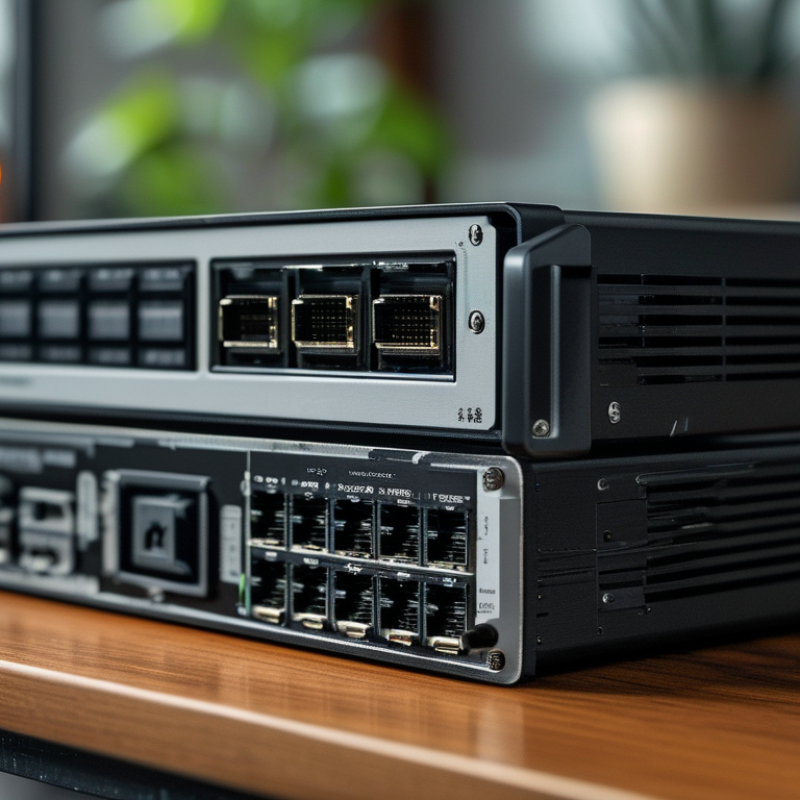
Optical transceivers are critical components in modern networking. They convert electrical signals to optical signals and vice versa. Different types of optical transceivers exist, making selection crucial depending on your needs. Understanding these types can guide your choices effectively.
There are mainly two types: SFP and SFP+. The SFP supports 1 Gbps speeds, while the SFP+ can go up to 10 Gbps. If you require higher data transfer rates, the latter is preferable. However, SFP modules are more cost-effective for lower speeds. Each has various specifications, such as wavelength and distance capabilities. For example, a 1310nm SFP module is suitable for short distances, typically under 10 km.
When choosing, consider your network environment. Factors like distance between devices and the type of cable used matter significantly. Think about potential future upgrades, too. Selecting a module that can handle increased bandwidth will save you from future hassles. Electrical compatibility also needs evaluation; not every transceiver suits all devices. Balancing these aspects can be challenging, and even experts may overlook details. Reflecting on specific requirements is essential for optimal performance.
When selecting an optical transceiver, understanding the data rate and distance requirements is crucial. Different applications need different specifications. For instance, a data-heavy environment like data centers demands higher data rates. Transceivers vary in speed. Common options include 1G, 10G, and 100G. If the demand exceeds capacity, you risk data loss and network inefficiency.
Distance also plays a significant role in your choice. Short-range applications may only need transceivers that function effectively over a few hundred meters. In contrast, long-distance needs can reach several kilometers. Consider the cable type too. Single-mode fibers support longer distances while multi-mode fibers handle shorter runs better.
It's important to reflect on your current and future needs. Many users underestimate the growth potential of their network. Upgrading later can be costly. Seek advice from experts in the field, but also do your own research. Evaluate various scenarios before making a decision. Balancing distance and data rate requirements might be challenging but is necessary for optimal performance.
When selecting an optical transceiver, compatibility with your existing network equipment is crucial. Every piece of network hardware, from switches to routers, needs specific types of transceivers to function optimally. Mismatched components can lead to performance issues or failed connections. It's essential to check the specifications of your network gear before making a decision.
Consider the transmission standards in use. Common standards include SFP, SFP+, and QSFP. Each standard supports different data rates and distances. If the transceiver does not match these standards, it may not work as desired. This can result in network outages or degraded performance. It’s a frustrating scenario that many network administrators face. Always consult your equipment manuals to avoid these pitfalls.
Testing compatibility in a controlled environment can provide helpful insights. Sometimes, even reputable products may not perform well with your specific system. Thus, exploring forums or seeking advice from industry professionals can be beneficial. Feedback from others who have tested similar setups can guide your choices effectively. This reflection can highlight the gaps in your understanding and improve future decisions.
When selecting an optical transceiver, environmental considerations play a crucial role. The operating temperature range is essential. Transceivers designed for extreme environments need to resist high heat or freezing temperatures. Many installations may face dust, humidity, or harsh chemicals. Choosing a durable housing material can enhance reliability in these conditions.
Another factor is energy consumption. Opting for transceivers with lower power requirements can significantly reduce operational costs. However, energy-efficient models may have limitations in performance or range. The balance between power efficiency and data transmission capabilities needs careful evaluation.
Additionally, it’s important to consider installation locations. Outdoor setups may require transceivers with enhanced weather resistance. Indoor setups, while less extreme, may still face issues like cable management and airflow. Assessing the specific challenges of your installation environment will lead to better choices.
Evaluate your needs critically, and remember that there is no one-size-fits-all solution. The right transceiver should align with both environmental conditions and operational demands.
When selecting optical transceivers, cost and performance must be balanced. Recent industry reports show that up to 57% of budget constraints are influenced by initial equipment costs. However, overlooking long-term performance can lead to higher operational costs. For instance, lower-end transceivers may fail prematurely, which increases replacements and downtime.
Tips for choosing wisely: Evaluate the total cost of ownership (TCO). Consider not just the upfront purchase but also maintenance, energy consumption, and expected lifespan. A mid-range option might offer the best balance, saving money over time without compromising quality.
It's essential to review specifications carefully. Not all transceivers perform equally under varying conditions such as temperature or distance. Some lower-cost transceivers lack guaranteed reliability and can lead to network disruptions. The challenge lies in assessing not just the price but the overall value. Incorporating these considerations can lead to more informed buying decisions, ultimately supporting a more robust network infrastructure.
This chart illustrates the average costs of different types of optical transceivers. Understanding these prices helps in selecting a transceiver that balances performance needs with budget constraints.
: Optical transceivers convert electrical signals to optical signals and vice versa. They are vital for networking.
The primary types are SFP and SFP+. SFP supports 1 Gbps; SFP+ supports up to 10 Gbps.
Consider speed requirements and distance between devices. Think about your network's future upgrades as well.
Distance significantly affects transceiver selection. Short range can use basic models; long range needs specialized options.
Transceivers must withstand temperature extremes and environmental elements like dust. Durability ensures reliability.
Lower power transceivers reduce costs but may limit performance. Find a balance that meets your needs.
Yes, seeking expert advice is beneficial. However, conducting your research can provide valuable insights too.
Single-mode fibers are for longer distances. Multi-mode fibers work better for short runs. Choose based on your needs.
Underestimating growth may lead to costly upgrades. Reflect on what future demands might look like for your setup.
No, there’s no one-size-fits-all solution. Each setup has unique requirements to address. Evaluate your specific needs carefully.
Choosing the right optical transceiver involves a thorough understanding of various types and specifications tailored to specific needs. First, it's crucial to evaluate the data rate and distance requirements of your application to ensure optimal performance. Compatibility with existing network equipment is another key factor; seamless integration prevents connectivity issues and enhances network efficiency.
Additionally, assessing environmental considerations—such as temperature range and exposure risks—ensures the reliability of the optical transceiver in its intended setting. Finally, conducting a cost analysis helps balance performance needs with budget constraints, enabling informed decision-making. Overall, a well-rounded approach to these factors will lead to the successful selection of an appropriate optical transceiver for your network infrastructure.