Deltavox
In the rapidly evolving world of data communications, the QSFP28 transceiver stands out as a crucial component for high-performance networks. According to a recent market analysis, the global market for optical transceivers is projected to reach $3.7 billion by 2025, with QSFP28 devices significantly contributing to this growth. Their ability to support data rates up to 100 Gbps is a game-changer for enterprises looking to enhance bandwidth and reduce latency.
The demand for faster, more efficient connectivity is pushing industries to adopt technologies like QSFP28 transceivers. They not only optimize network performance but also facilitate the transition towards next-generation data centers. Some reports indicate that organizations using high-speed transceivers experience up to 40% improved efficiency in their data transfer operations. However, it's essential to consider the potential challenges, such as compatibility issues and initial investment costs, which may affect implementation decisions.
As global buyers seek reliable networking solutions, understanding the benefits of QSFP28 transceivers becomes critical. The advantages include reduced power consumption and advanced heat dissipation techniques, which can lead to long-term savings. Yet, buyers must reflect on specific needs and infrastructure before fully committing to this technology.
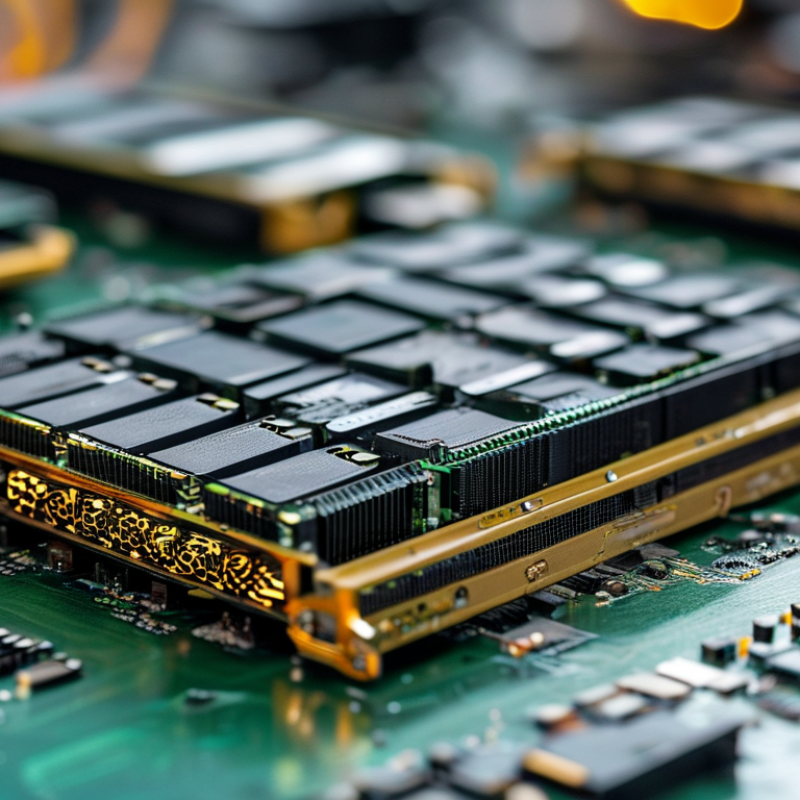
The QSFP28 transceiver is becoming a game changer in data transmission. Its ability to support 100G data rates significantly enhances network efficiency. This is essential for data centers and enterprises aiming for high-speed connectivity. Faster data transfers can lead to minimized latency and improved performance in applications like cloud computing.
When considering QSFP28, one cannot overlook the need for proper installation and maintenance. Regularly checking compatibility with existing infrastructure is crucial. This ensures smooth operations and maximizes the benefits of these transceivers. A small oversight can lead to costly downtime.
Tip: Always verify the specifications before purchasing. Not all QSFP28 transceivers are created equal, and mismatched components can hinder performance.
Reliable connections are key. Interference or poor connectivity can impact the advantages provided by these transceivers. Implementing proper cable management can reduce environmental interference, which is vital for high-speed data transmission.
Tip: Invest in quality cabling to fully realize the QSFP28's potential. Cheap cables may save money upfront but can lead to long-term issues.
Understanding these factors ensures that global buyers can make informed decisions. With the right approach, QSFP28 transceivers can be a tremendous asset in achieving high-speed data communication.
The QSFP28 transceiver has emerged as a pivotal solution in modern networking. Its cost efficiency is one of its standout features. Organizations can significantly reduce their investment while achieving high throughput. This efficiency allows global buyers to allocate resources more effectively, particularly in large-scale data centers.
Implementing QSFP28 can lead to reduced infrastructure costs. This transceiver supports 100G Ethernet over a single fiber, minimizing the need for multiple cables. For many businesses, this translates into lower installation and maintenance expenses. Moreover, the power consumption of QSFP28 is notably lower compared to older models, driving down operational costs.
However, it is crucial to consider the long-term implications. Some buyers may overlook compatibility issues with existing equipment. A thorough assessment is necessary to ensure seamless integration into current systems. Choosing QSFP28 requires careful planning to maximize benefits. While it promises cost savings and efficiency, the reality can differ based on individual network conditions and configurations.
The QSFP28 transceiver technology is revolutionizing bandwidth capacity. It offers an impressive 100 Gbps per port. This capacity is essential for data centers experiencing exponential data growth. Many network operators are turning to QSFP28 to keep pace.
With the increasing demand for high-speed internet, this technology stands out. It enables efficient data transfer over short distances. The reduced power consumption compared to older models adds to its appeal. Network professionals appreciate the potential for lower operational costs.
However, not all organizations are ready for this switch. The transition can require significant investment. Some users may wonder if their infrastructure can support this change. Continuous evaluation of performance will be necessary. Adopting QSFP28 could mean a learning curve for IT teams. Despite these challenges, the advantages of enhanced bandwidth capacity are clear.
The QSFP28 transceiver stands out for its versatility across various applications. These transceivers can support speeds up to 100 Gbps, making them ideal for data centers and enterprise networks. According to a recent report by Dell’Oro Group, the global 100G transceiver market is expected to grow by 25% annually over the next few years. This growth signifies rising demand for reliable and high-speed connectivity in various industries.
In telecommunications, QSFP28 modules facilitate seamless data transmission. They connect switches and routers efficiently, enhancing overall network performance. Different applications, like high-performance computing (HPC) and cloud services, significantly benefit from QSFP28's reduced latency and increased bandwidth. However, some users encounter challenges understanding compatibility with existing systems. Ensuring infrastructure alignment is crucial for maximizing the advantages of these advanced modules.
Additionally, QSFP28 transceivers are shifting toward multifunctional use. For instance, implementing them in Optical Transport Networks (OTN) showcases their flexibility. Many organizations report improved network agility and reduced overhead costs. Yet, the intricacies of integrating these solutions can be daunting. Understanding the specifications and configuration needs is vital for procurement decisions. Overall, while QSFP28 transceivers offer remarkable benefits, careful consideration is necessary to overcome potential hurdles associated with their deployment.
As networking demands grow, businesses require robust solutions. The QSFP28 transceiver emerges as a powerful tool for future-proofing network infrastructure. This investment supports 100G connections, enhancing bandwidth efficiency. Organizations can seamlessly transmit data over long distances, minimizing latency. The ability to upgrade systems with QSFP28 helps businesses adapt swiftly to evolving network needs.
Integrating QSFP28 transceivers addresses scalability concerns. They enable cost-effective growth, allowing companies to manage expanding data traffic. Enhanced performance and lower energy consumption are key advantages. However, some may grapple with installation complexities. It's essential to invest time in proper training and familiarization to maximize the benefits of these devices.
Security considerations also arise when upgrading infrastructure. Investing in state-of-the-art components requires continuous monitoring and potential adjustments. Companies must remain vigilant about emerging threats. Although QSFP28 offers advanced features, organizations should regularly review their security protocols to ensure they're aligned with best practices. Balancing innovation with security is a challenge that requires ongoing attention.
| Benefit | Description | Impact |
|---|---|---|
| High Bandwidth | Supports data rates up to 100 Gbps, enhancing data transmission capabilities. | Facilitates faster data processing for applications. |
| Future-Proofing | Offers scalability for next-generation network requirements. | Reduces the need for frequent upgrades. |
| Low Latency | Minimizes delay in data transmission, ideal for real-time applications. | Improves performance for latency-sensitive services. |
| Energy Efficiency | Designed to consume less power compared to previous generations. | Reduces operational costs and environmental impact. |
| Compact Form Factor | Smaller size allows for denser packing in networking equipment. | Maximizes space utilization in data centers. |
| Interoperability | Compatible with existing SFP and SFP+ systems. | Facilitates seamless integration into current networks. |
| Enhanced Reliability | Improved design standards to reduce failure rates. | Ensures consistent network performance. |
| Cost-Effective | Lower cost per Gbps compared to older technology. | Provides immense value for network investments. |
| Wide Adoption | Growing acceptance across various industries. | Enhances collaboration and integration opportunities. |
| Support for Advanced Applications | Enables capabilities for cloud computing, virtualization, and big data. | Supports growing demands for data-intensive services. |
: QSFP28 transceivers support 100G data rates, enhancing network efficiency and reducing latency in applications like cloud computing.
It is crucial. Regular compatibility checks ensure smooth operations. Oversights can lead to costly downtime.
Always check the specifications. Not all transceivers are the same. Mismatched components can hinder overall performance.
Quality cabling reduces environmental interference. Cheap cables might save money now but can cause serious long-term issues.
Significant investment is often necessary. Organizations must assess their infrastructure to support this technology effectively.
It offers 100 Gbps per port, making it ideal for data centers facing exponential data growth.
Yes, adopting this technology may involve a learning curve. Continuous performance evaluation will also be necessary.
Yes, it has reduced power consumption compared to older models, which can lower operational costs.
It requires attention to detail. Effective cable management is vital for maintaining high-speed data transmission.
Absolutely. With the right approach, it can significantly improve high-speed data communication over time.
The QSFP28 transceiver has emerged as a vital component for global buyers seeking high-speed and efficient networking solutions. Its key benefits include unparalleled data transmission speeds, enabling swift and reliable communication essential for contemporary applications. Furthermore, QSFP28 transceivers are cost-effective, offering financial savings while enhancing overall network performance.
With their enhanced bandwidth capacity, these transceivers support a wide range of applications, making them versatile for diverse networking requirements. Additionally, investing in QSFP28 technology aids in future-proofing network infrastructure, ensuring that organizations can adapt to evolving technological demands without substantial reinvestment. Overall, the QSFP28 transceiver stands out as an advantageous choice for maximizing performance and flexibility in networking systems.
