Deltavox
As the data communication landscape evolves, the role of the QSFP-DD transceiver becomes increasingly pivotal. Industry expert Dr. Emily Wong states, "The future of networking relies heavily on advancements in QSFP-DD technology." This sentiment resonates deeply within telecom and data center sectors, where efficient data transfer is paramount.
The demand for higher bandwidth and faster connectivity leads to continuous innovation in QSFP-DD transceivers. Understanding the latest trends is essential for buyers aiming to make informed decisions. With various options available, selecting the right transceiver can feel overwhelming. Buyers must navigate specifications, compatibility, and performance metrics to ensure an effective investment.
While QSFP-DD transceivers promise numerous benefits, challenges remain. Issues such as interoperability and price variations require careful consideration. Recognizing these factors can empower buyers to adopt the most suitable solutions, enhancing their network capabilities. As we enter 2026, staying updated on QSFP-DD developments is vital for any organization focused on future-proofing their infrastructure.
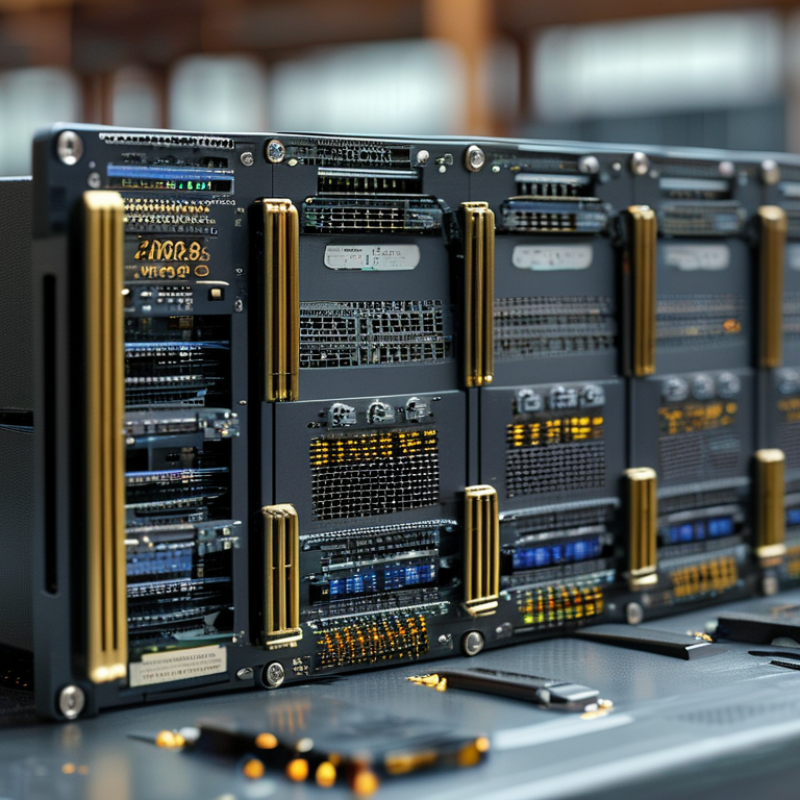
As we approach 2026, the evolution of QSFP-DD transceivers is poised to shape the future of high-speed data transfer. Emerging technologies are driving the integration of optical and electrical capabilities, enabling faster speeds and increased bandwidth. The trend towards higher density solutions facilitates the need for efficient data centers, accommodating the growing demands of cloud computing and edge services.
There are exciting advancements in signal processing techniques that allow for improved error correction and reduced latency. This enhances overall performance and reliability in data transmission. Companies may also focus on sustainability, exploring eco-friendly materials and efficient power management in their transceivers. As these innovations unfold, selecting the right transceiver becomes crucial for long-term scalability.
Tips: When assessing your options, check for compatibility with existing infrastructure. Consider future-proof designs, as technology can advance rapidly. Finally, review vendor certifications and user feedback to ensure reliable performance. Understanding these emerging trends will help buyers make informed decisions in this dynamic market.
The QSFP-DD transceiver market is experiencing notable growth. This trend arises from increasing demand for higher data rates and greater bandwidth. Many organizations now rely on data centers that require robust connectivity to handle vast amounts of information.
Factors influencing QSFP-DD adoption include cloud computing and the expansion of 5G networks. As businesses embrace digital transformation, the need for efficient data transmission becomes vital. This shift creates a driving force behind adopting higher capacity transceivers. Additionally, technologies like artificial intelligence and machine learning require speedy data processing to remain effective.
While the benefits are clear, buyers should consider potential challenges. Compatibility issues with existing infrastructure might arise. Not all systems can seamlessly integrate with QSFP-DD transceivers. Companies must evaluate their current setups. Venturing into new technology can yield advantages but requires careful planning and assessment of ROI. Exploring these facets underscores the complex decisions awaiting buyers in this evolving market.
| Trend | Market Demand (%) | Growth Factors |
|---|---|---|
| Increased Data Center Interconnectivity | 45% | Demand for higher bandwidth and low latency |
| AI and Machine Learning Applications | 30% | Growing use of data analytics and cloud computing |
| Telecommunication Infrastructure Upgrades | 20% | Transition to 5G networks and beyond |
| Adoption of Edge Computing | 15% | Need for processing power closer to data sources |
| Sustainability and Energy Efficiency | 25% | Focus on reducing carbon footprint of data centers |
When considering the purchase of QSFP-DD transceivers, it is critical to focus on key features and specifications. Data from the market indicates that by 2026, the demand for high-speed transceivers is expected to grow by approximately 17% annually. This growth is driven by the need for enhanced data center efficiency and faster internet speeds.
One vital specification is the transmission distance. Most QSFP-DD transceivers support distances ranging from 100 meters to 10 kilometers for various applications. It’s essential to assess your infrastructure's needs. Buyers should also evaluate the power consumption ratings, as some models may consume more than 3 watts, impacting overall energy use. The optical components play an integral role as well, with multimode and single-mode options offering different performance characteristics.
Buyers should be aware of the complexity in compatibility between transceivers and networking equipment. Some older switches may not support the latest transceiver standards, leading to potential integration issues. Additionally, while focusing on high speeds, remember that not all transceivers provide the same quality of signal integrity. This variation can affect the reliability of data transmission. Balancing speed, distance, and compatibility will be key to making informed purchasing decisions.
The landscape of data communication is evolving rapidly, with QSFP-DD transceivers gaining significant traction. In a comparative analysis, QSFP-DD stands out for its higher density and scalability. Unlike traditional SFP28 transceivers, QSFP-DD supports up to 400 Gbps. This increase offers improved bandwidth, crucial for data centers.
Another notable advantage of QSFP-DD is its flexible architecture. It accommodates various optical interfaces, providing more options for network design. Research indicates that the market for QSFP-DD is projected to grow at a CAGR of 15.7% from 2023 to 2030. This suggests a strong preference among buyers for high-capacity solutions over older models, like CFP2, which struggle to meet current demands effectively.
However, while QSFP-DD offers clear benefits, the transition may pose challenges. Not all existing infrastructure can support these new transceivers without modifications. Companies must weigh the costs of upgrading against the potential for enhanced performance. Adopting QSFP-DD technology comes with a learning curve that some organizations might find daunting. The need for training and adaptation is a significant factor in making this switch. The overall success depends on strategic planning and resource allocation.
As the demand for high-speed data transmission increases, QSFP-DD transceivers are set for exciting advancements. These devices may reach data rates of 400 Gbps and beyond. Innovations in optical technology are likely to enhance their performance. Expect improvements in signal integrity and reduced latency. The industry is moving toward more compact designs, which can save space in data centers.
Future QSFP-DD developments will also focus on power efficiency. Reducing energy consumption is crucial for sustainable network operations. New materials and designs may address heat dissipation effectively. As buyers, understanding these trends is essential. The landscape is competitive, with various specifications to consider. Staying informed will help in making informed purchasing decisions.
While expectations are high, challenges remain. Transitioning from older standards may cause compatibility issues. Some might struggle with the learning curve of new technologies. It's important to evaluate these factors carefully. The journey to adoption won't be without bumps, but the potential benefits are significant. Understanding these innovations will prepare buyers for what's next.
: QSFP-DD transceivers are high-speed data transfer devices. They support up to 400 Gbps, offering improved bandwidth.
QSFP-DD offers higher density and scalability than older models. This makes it more suitable for modern data center demands.
Innovations include better signal processing, error correction, and power efficiency. Future designs focus on compactness and sustainability.
Not all existing infrastructure supports QSFP-DD without changes. Assessing compatibility helps in avoiding costly upgrades.
Transitioning can be daunting due to potential compatibility issues. Organizations may struggle with training and adaptation.
Review user feedback and vendor certifications. Consider future-proof designs to ensure long-term performance and reliability.
Look for advancements in optical technology, improved signal integrity, and energy-efficient designs in future QSFP-DD offerings.
Yes, companies are exploring eco-friendly materials and efficient power management to reduce energy consumption in operations.
The article "2026 Top QSFP-DD Transceiver Trends What Buyers Need to Know" explores the evolving landscape of QSFP-DD transceivers, highlighting emerging technologies that are set to shape their future. As demand for higher data rates and increased bandwidth continues to surge, the market is witnessing significant growth driven by advancements in QSFP-DD design and applications. Key features and specifications are essential considerations for buyers, including power consumption, form factor, and compatibility with existing systems.
Furthermore, the article provides a comparative analysis of QSFP-DD against other transceiver types, shedding light on its advantages in terms of performance and scalability. Looking ahead, future innovations in QSFP-DD development promise even greater capabilities, ensuring that this transceiver type remains at the forefront of networking technology. Understanding these trends will be crucial for organizations looking to adopt QSFP-DD transceivers in their infrastructure.
